Germany Extends Rent Controls Amid Spiraling Housing Costs, Unveils Construction Boost
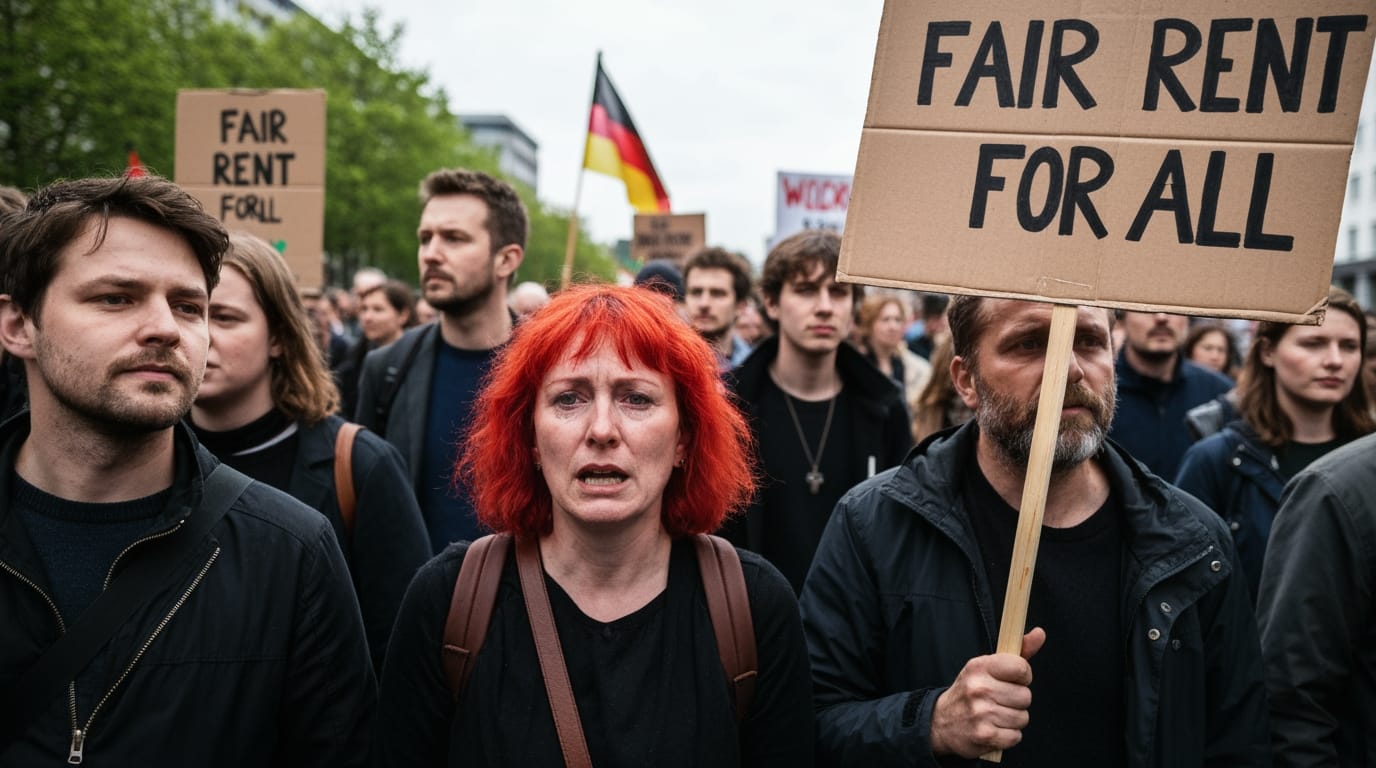
Berlin, Germany – Facing a persistent and deepening housing crisis marked by skyrocketing rents and a significant construction deficit, Germany's new Conservative-led government has moved to extend its controversial rent control measures until the end of 2029. This legislative push, championed by Justice Minister Stefanie Hubig, aims to safeguard affordable housing for millions of tenants while the government simultaneously rolls out ambitious plans to accelerate new construction, dubbed "Bau-Turbo," and grapples with contentious reforms to welfare housing support. The multi-pronged strategy reflects the acute pressure on Germany's housing market, where demand continues to far outstrip supply, particularly in urban centers.
The Unrelenting Squeeze on Tenants
For years, finding affordable housing in Germany's bustling cities has become an increasingly daunting challenge. Urbanization, coupled with a growing population – partly fueled by immigration from countries like Ukraine and Syria – has intensified competition for limited living spaces. Data reveals the stark reality: asking rents in Germany's 14 largest cities have surged by nearly 50 percent since 2015, placing immense financial strain on households across the country. The crisis has reached critical levels, transforming a basic necessity into a significant source of anxiety for residents, especially newcomers and foreign workers. This upward trajectory in rental costs persists despite the existing "rent price brake" regulation, highlighting the deep-seated structural issues within the housing market.
Extending the Rent Price Brake: A Temporary Reprieve
The core of the government's immediate response is the extension of the "rent price brake" (Mietpreisbremse), a measure first introduced in 2015 under then-Chancellor Angela Merkel's administration. Proposed by Justice Minister Stefanie Hubig, the law would prolong these controls for an additional four years, pushing their expiration to December 31, 2029. The existing regulation mandates that in designated "tight housing markets," landlords cannot charge more than 110 percent of the "local comparative rent" for a new tenancy – essentially, the average rent for comparable properties in the same area.
Currently, this vital tenant protection applies to over 400 municipalities across 13 federal states, encompassing major metropolitan hubs such as Berlin, Munich, Hamburg, Cologne, Stuttgart, and Frankfurt. Minister Hubig underscored the government's commitment, stating that "Housing must not become a luxury good," emphasizing the critical need to preserve housing affordability. The extension, which had been planned by the previous administration and now taken up by the current Conservative-led coalition under Chancellor Friedrich Merz, was deemed "necessary" to prevent the law from lapsing at the end of 2025. Exemptions for new builds constructed after 2014 remain in place, a point of contention that was briefly considered for adjustment but ultimately dropped by the new government.
"Bau-Turbo": Addressing the Supply Gap
While rent controls aim to temper price increases, the government acknowledges that the fundamental issue lies in the chronic shortage of housing. Germany has consistently fallen short of its construction targets, with the previous government aspiring to build 400,000 new apartments annually. In 2024, however, only about 250,000 units were completed, a 14.4% drop from the previous year. Experts suggest that Germany needs to construct approximately 320,000 new apartments each year until 2030 to adequately meet demand.
To address this significant supply-side deficit, the government has unveiled a new set of proposals known as "Bau-Turbo," or "construction turbo." This initiative is designed to drastically cut through bureaucratic red tape, streamline approval processes, and accelerate construction timelines. The draft law would grant local authorities the power to allow temporary deviations from standard building planning regulations, with the ambitious goal of reducing planning times for construction projects from an average of five years to just two months. Housing, Urban Development and Construction Minister Verena Hubertz hailed the plan, asserting that it would create much-needed living space by speeding up development "where it is needed." Additionally, the "Bau-Turbo" includes provisions to extend protections against the conversion of rented flats into owner-occupied homes, particularly in areas with high demand, further bolstering tenant rights.
Divergent Views: Industry Skepticism and Welfare Concerns
The government's dual approach has been met with a mix of cautious optimism and sharp criticism from various stakeholders. Property industry executives have voiced fierce opposition to the extension of rent controls. Rolf Buch, CEO of Vonovia, Germany's largest landlord, labeled the controls as "counterproductive," a sentiment echoed by the ZIA property industry association, which warned that the extension would "deeply unsettle investors and put further obstacles in the way of new construction." Critics argue that rent caps disincentivize investment in new housing and maintenance of existing properties, thereby exacerbating the very shortage they are meant to alleviate. The slowdown in construction is often attributed to a combination of rising interest rates, increased material costs, and existing bureaucratic hurdles.
Adding another layer of complexity to the housing debate are the government's plans to reform the "Bürgergeld" (Citizen's Allowance) welfare payments. Under these proposed changes, housing support for the lowest-income households could be reduced, a move that critics fear could lead to a "social catastrophe" for vulnerable families amidst the already high rental market. Chancellor Merz has advocated for capping rental support as part of a broader Bürgergeld reform, citing concerns over "luxury rents" for recipients, although this perspective is widely disputed by those who point to the reality of exploding market rents across Germany. The Berlin Senate, for instance, projects a significant increase in homelessness, yet countermeasures are limited.
Looking Ahead: A Precarious Balancing Act
The German government's comprehensive strategy reflects the urgency of the housing crisis, attempting to balance immediate tenant protection with long-term supply-side solutions. While the extension of the rent price brake offers a degree of stability for millions of renters in high-demand areas, its effectiveness in truly curbing rent inflation over the long term remains a subject of ongoing debate. The "Bau-Turbo" initiative represents a critical effort to unblock the construction pipeline, but its success hinges on rapid implementation and overcoming the inherent challenges of infrastructure development.
The interplay between these measures, coupled with the controversial welfare reforms, paints a complex picture for Germany's future housing landscape. The coming months will be crucial as these proposals navigate parliamentary approval and begin to manifest on the ground, ultimately determining whether the government can successfully steer its housing market towards greater affordability and stability for all residents. The stakes are high for both the economy and the social fabric of the nation.


