Germany Faces Pivotal Year in 2026 Amidst Economic Restructuring, Energy Transition, and Global Shifts
Germany stands at a critical juncture in 2026, poised between the lingering effects of economic stagnation and ambitious efforts to redefine its industrial future and energy landscape. Chancellor Friedrich Merz has characterized the year as potentially "decisive" for both Germany and Europe, envisioning a "moment of breakthrough" that could usher in decades of peace, freedom, and prosperity. However, this optimism is tempered by a complex array of challenges spanning economic competitiveness, an accelerated energy transition, demographic pressures, and an unpredictable geopolitical environment. The efficacy of significant governmental investments and structural reforms will be rigorously tested as the nation navigates these multifaceted hurdles.
Economic Recovery Hampered by Structural Weaknesses and Global Flux
After a prolonged period of economic stagnation and mild recessions, Germany anticipates a modest recovery in 2026, with some forecasts projecting GDP growth of around 1.4% to 1.5% for the year, an improvement from previous lower estimates. This projected uptick is largely attributed to substantial government spending on infrastructure and defense, along with a new fiscal package. However, leading economic institutes warn that this stimulus might only provide a short-term boost and may not resolve deep-seated structural issues.
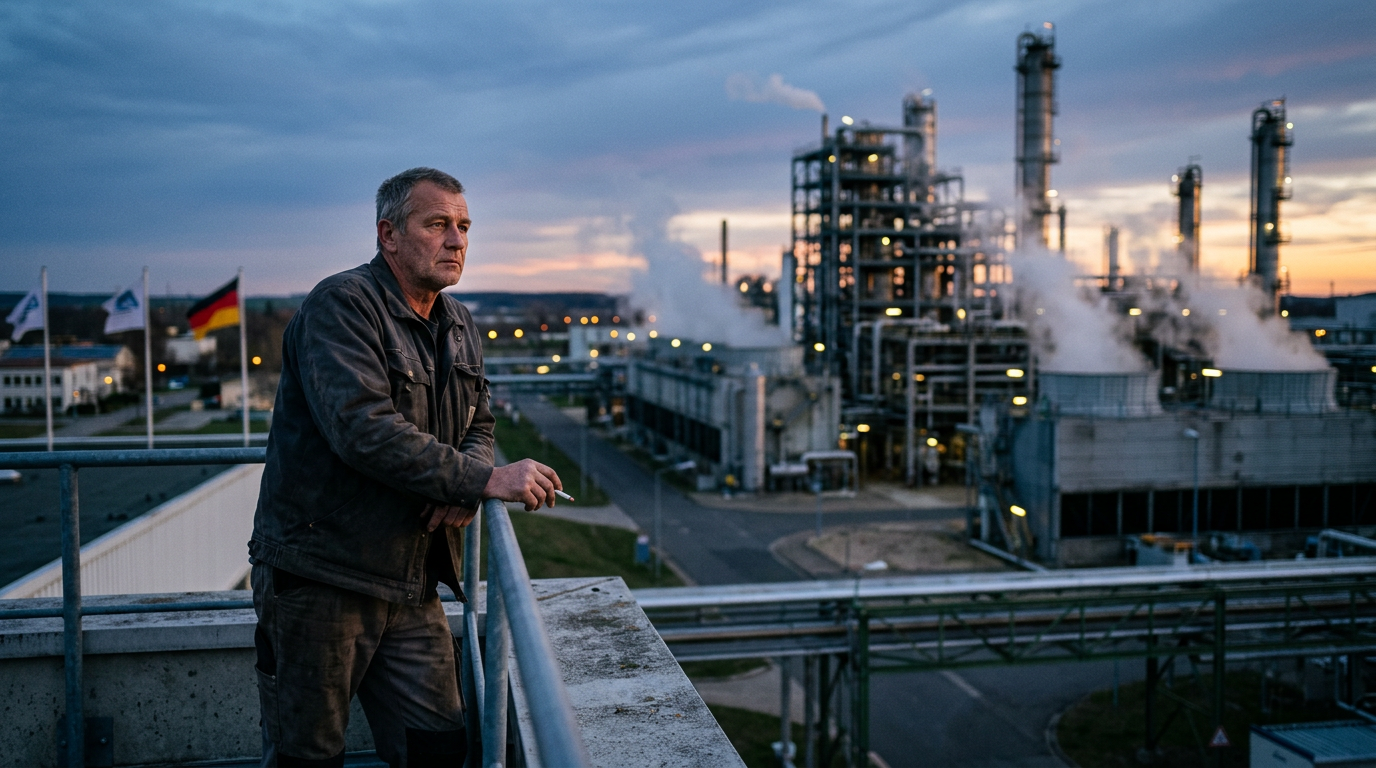
High energy prices continue to weigh heavily on Germany's industrial sector, remaining approximately 80% higher than pre-energy crisis levels, significantly impacting the competitiveness of German firms compared to those in the US and China. Global protectionism and weak exports further exacerbate challenges for Germany's export-driven economy. Industries such as automotive, paper, and textiles are projected to face job cuts and production declines, with some 200,000 manufacturing jobs having disappeared since the pandemic. Overall industrial production is expected to trend around 0.20% month-on-month in 2026, reflecting a stabilization at a lower level rather than a robust rebound. Inflation is projected to hover around 1.9% to 2.2% in 2026, with core inflation potentially remaining above the 2% mark due to service prices and wage costs.
The government's expansionary fiscal policy, while aimed at stimulating growth, is also leading to increased deficits. The general government deficit is projected to rise to 4.0% of GDP in 2026, potentially triggering an excessive deficit procedure from the European Commission, which typically caps deficits at 3% of GDP. This financial strain, alongside persistent bureaucratic hurdles and an outdated digital infrastructure, poses significant obstacles to long-term economic expansion and innovation.
The Ambitious and Challenging Energy Transition
Germany's commitment to climate neutrality by 2045 necessitates a rapid and comprehensive energy transition, with 2026 being a crucial year for implementing policies. While renewables contributed 58% to electricity generation in 2025, and significant capacity additions in wind and solar have occurred, stakeholders emphasize the need to sustain and even accelerate this growth to meet ambitious climate targets.
A defining challenge for 2026 will be securing the necessary energy infrastructure for decarbonization. This includes strengthening an often-overstretched electricity grid, developing robust hydrogen networks, and establishing CO2 capture and storage infrastructure. As the country phases out coal, the construction of new hydrogen-ready gas power plants is deemed essential to ensure supply security during periods when intermittent renewable sources are insufficient. The government is set to tender for at least 8 GW of such plants in 2026.
Despite progress, Germany is not on track to meet its post-2030 climate targets, particularly in the transport and buildings sectors. The government's Climate Action Programme, due for an update in early 2026, must address these lagging areas, with CO2 prices for fossil fuels projected to range between €55 and €65 per tonne in 2026. Critically, the social dimension of climate action is gaining prominence, especially with upcoming regional elections. Measures to promote energy-efficient building renovations and transitions from fossil fuel heating systems must consider the financial impact on citizens to ensure broad acceptance and fairness. Environmental NGOs have cautioned that the 2026 draft budget might not sufficiently prioritize climate-friendly initiatives, particularly in these crucial sectors.
Addressing the Demographic Imperative and Labor Shortages
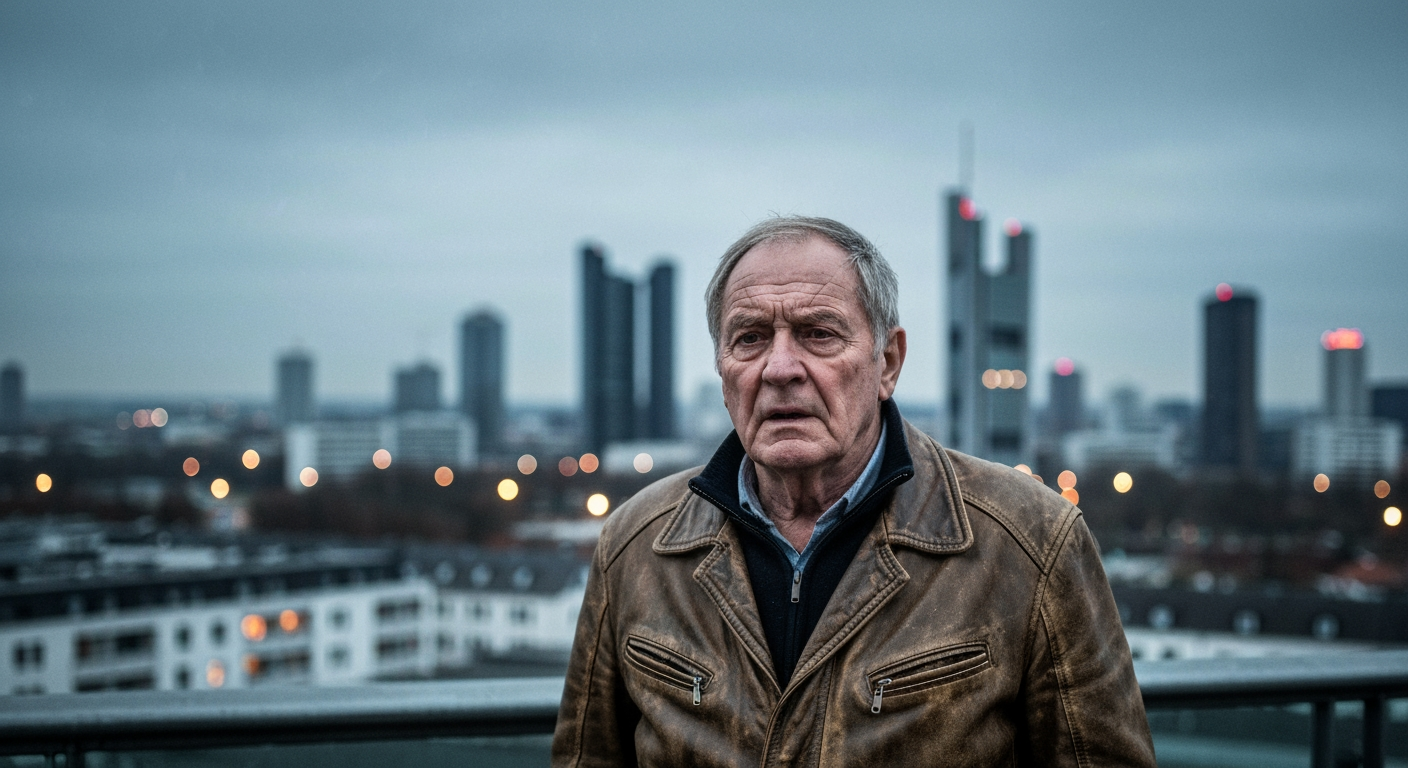
Germany's aging population and low birth rates present a profound demographic challenge, leading to severe skilled labor shortages across various sectors. The working-age population is projected to decline by over 8% by 2030, underscoring the urgency of the situation. To maintain economic growth and meet labor market demands, Germany will require an estimated 400,000 foreign workers annually.
In response, the German government has implemented reforms to immigration policies and plans to launch a "Work and Stay" agency in 2026. This initiative aims to streamline the immigration process for skilled non-EU workers, providing guidance on visas, qualification recognition, and integration. Higher salary requirements for EU Blue Cards will also come into effect, though concessions are made for shortage occupations such as healthcare, IT, and STEM fields.
Despite these efforts, the labor market faces mixed prospects. While public sector and service jobs, particularly in healthcare and security, are expected to grow due to the aging population, manufacturing industries anticipate job cuts. The forecast indicates that unemployment will rise in 2025 before stabilizing in 2026 and potentially falling slightly by 2027. Changes effective January 1, 2026, include an increase in the minimum wage to 13.90 euros per hour and a 3.7% rise in pensions, reflecting efforts to support household incomes amidst economic shifts.
Navigating a Complex Geopolitical Landscape
The geopolitical environment continues to be a significant factor shaping Germany's outlook for 2026. The ongoing conflict in Ukraine remains a primary concern, viewed by Chancellor Merz as a direct threat to Germany's freedom and security. This has prompted increased defense spending, with projections indicating a rise from 2% of GDP in 2024 to 3.5% in 2029, and a significant portion of the 2026 budget allocated to defense.
A notable shift in the global economy is the resurgence of protectionism, coupled with intensifying international trade conflicts and competition, particularly from China. Germany, as an export-oriented nation, is particularly sensitive to these dynamics. Its strategic dependence on raw materials is increasingly being utilized as a geopolitical lever against its interests. Furthermore, evolving relations with the United States underscore the growing imperative for Europe to strengthen its own defense capabilities and assert its interests more independently. These external pressures demand a robust and adaptive foreign policy approach to safeguard Germany's economic prosperity and security.
A Decisive Path Forward
Germany in 2026 is grappling with a blend of inherited challenges and new imperatives. The year will serve as a crucial test for the government's comprehensive strategies to revitalise the economy, accelerate the energy transition, and address profound demographic shifts. While substantial fiscal stimuli aim to drive growth, the underlying structural issues of high energy costs, bureaucratic inefficiencies, and declining industrial competitiveness require sustained and deeper reforms. The ambitious climate targets demand not only technological advancements but also socially equitable policies to ensure public support. Meanwhile, attracting and integrating skilled foreign workers is paramount to offsetting the impact of an aging workforce. Amidst a turbulent global stage marked by protectionism and geopolitical tensions, Germany's ability to demonstrate resilience and adapt will determine its trajectory towards renewed prosperity and stability. The collective efforts to manage these intertwined challenges will shape not only Germany's future but also its role within Europe and the broader international order.
Sources
- tasnimnews.com
- apa.az
- goldmansachs.com
- europa.eu
- brusselssignal.eu
- ifo.de
- newsworm.de
- aa.com.tr
- table.media
- marinelink.com
- see.news
- tradingeconomics.com
- tradingeconomics.com
- bundesbank.de
- kfw.de
- bundesfinanzministerium.de
- cleanenergywire.org
- climateactiontracker.org
- snec-h2.com
- cleanenergywire.org
- unfccc.int
- bundesregierung.de
- cleanenergywire.org
- cleanenergywire.org
- scoperatings.com
- atozserwisplus.com
- thelocal.de
- iamexpat.de
- make-it-in-germany.com
- germany-visa.org
- deutschland.de
- tekedia.com
- kielinstitut.de
Related Articles


Mounting Frustration Grips Russia as Economic Hardship and War's Toll Deepen
Moscow, Russia – A palpable shift in public sentiment is emerging across Russia, with growing frustration among citizens fueled by a confluence of economic pressures, increasing internet restrictions, and the undeniable...

Germany's Strategic Calculus: Ukraine Aid is an Investment in European Security, Not Charity
Berlin – The ongoing provision of substantial aid to Ukraine by Germany and its allies is increasingly being framed not as an act of altruism, but as a crucial investment in European security and stability. This...