Germany Grapples with Persistent Gender Imbalance in Boardrooms
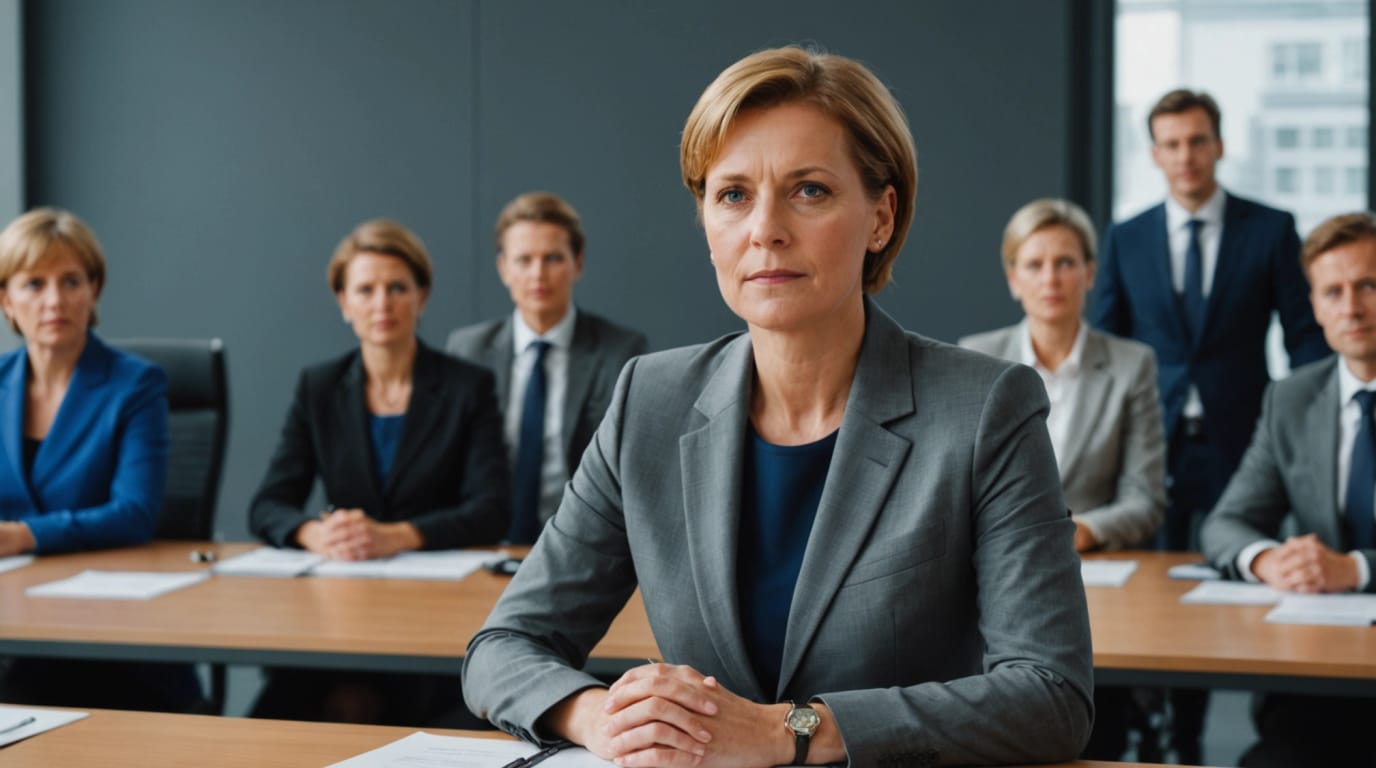
Despite legislative efforts and increasing awareness, Germany continues to lag behind many of its European counterparts in achieving gender equality in corporate leadership. While progress has been made, particularly in supervisory boards, the representation of women in executive positions and CEO roles remains stubbornly low, prompting concerns about the effectiveness of current measures and the need for more comprehensive strategies.
Germany's commitment to gender equality is enshrined in its constitution, the Grundgesetz, which mandates equal rights for men and women and obligates the state to actively promote de facto equality. This commitment is further reinforced by European law and international human rights conventions. However, translating these principles into tangible results in the upper echelons of the business world has proven to be a complex and ongoing challenge.
The 30% Quota and its Impact
In 2015, Germany introduced the Law on Equal Participation of Women and Men in Leadership Positions, mandating a 30% quota for female representation on the supervisory boards of listed companies with co-determination. This legislation, known as FüPoG, aimed to address the underrepresentation of women in these key decision-making bodies. Studies suggest that the quota has had a positive effect on the representation of women on supervisory boards, where it is mandatory. However, the law also included voluntary targets for executive or management boards, and progress in these areas has been less pronounced.
The introduction of the quota was met with mixed reactions. Supporters hailed it as a crucial step towards achieving gender equality and breaking down traditional "men's clubs" in corporate leadership. Critics, on the other hand, argued that it constituted unnecessary interference in corporate affairs and questioned the availability of qualified women to fill these positions. Despite the criticism, data indicates that the quota has contributed to a noticeable increase in female representation on supervisory boards.
Lingering Gender Pay Gap and Workplace Culture
Despite the progress in boardrooms, a significant gender pay gap persists in Germany. In 2023, women in Germany earned an average of 16% less than men. This disparity is attributed to various factors, including the prevalence of part-time work among women, gender segregation in lower-paid sectors, and the disproportionate burden of unpaid care work borne by women. These factors not only contribute to the pay gap but also hinder women's career advancement and access to leadership positions.
Workplace culture also plays a crucial role in perpetuating gender inequality. Traditional corporate structures and norms often favor male employees, creating barriers for women seeking to climb the corporate ladder. Implicit biases, lack of mentorship opportunities, and insufficient support for work-life balance can all contribute to a "glass ceiling" that prevents women from reaching top management positions.
Recent Developments and Future Prospects
In August 2021, a second law, FüPoG II, came into force, introducing stricter rules for gender equality on management boards. This law requires publicly traded and co-determined companies with executive boards of more than three members to appoint at least one woman and one man. Furthermore, other private companies are required to set targets for female representation and ensure that these targets are met.
Despite these legislative efforts, Germany still lags behind many other EU countries in terms of female representation in management positions. In 2023, only 29% of executive positions in Germany were held by women, placing the country in the lower third of EU member states. In comparison, countries like Sweden and Latvia have significantly higher proportions of women in management roles.
Several initiatives are underway to address the remaining challenges and accelerate progress towards gender equality in German boardrooms. Investor groups, such as the 30% Club Germany Investor Group, are putting pressure on companies to increase female representation on management boards and improve transparency on gender pay gaps. Companies are also implementing diversity and inclusion programs to foster a more equitable workplace culture and promote the advancement of women into leadership roles.
The Path Forward
While Germany has made strides in promoting gender equality in corporate leadership, significant challenges remain. The 30% quota has proven effective in increasing female representation on supervisory boards, but further measures are needed to address the underrepresentation of women in executive positions and CEO roles.
To accelerate progress, Germany needs a multi-faceted approach that includes:
- Strengthening legislation: Expanding the scope of the quota to include executive boards and increasing the target to 40%, in line with the EU directive on gender quotas for boards.
- Addressing the gender pay gap: Implementing measures to promote pay transparency and ensure equal pay for equal work.
- Promoting work-life balance: Providing affordable childcare and flexible work arrangements to support women's career advancement.
- Fostering inclusive workplace cultures: Implementing diversity and inclusion programs to combat implicit biases and create equal opportunities for all employees.
- Increasing transparency and accountability: Requiring companies to report on their progress towards gender equality goals and holding them accountable for achieving these goals.
By taking these steps, Germany can create a more level playing field for women in the business world and unlock the full potential of its female talent. Achieving gender equality in boardrooms is not only a matter of fairness but also a strategic imperative for enhancing corporate performance and driving economic growth.