Germany Grapples with Rapidly Aging and Shrinking Population: A Nation at a Crossroads
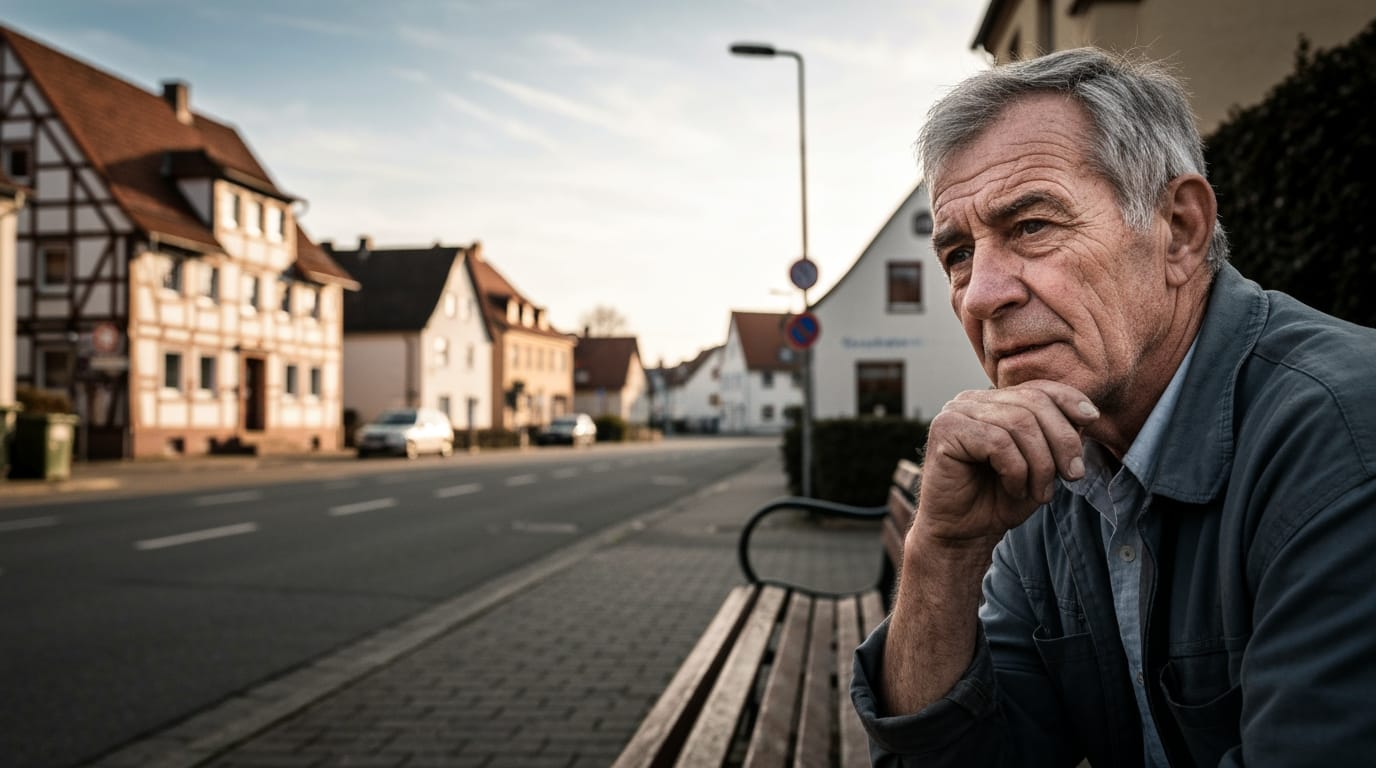
Germany stands at a demographic precipice, facing an accelerating decline in its working-age population and an unprecedented shift towards an older society. This profound demographic transformation, driven by persistently low birth rates and increasing life expectancy, is poised to reshape the nation's economy, social fabric, and global standing, presenting formidable challenges that require urgent and multifaceted policy responses. The trend signals a departure from decades of post-war growth and stability, compelling German policymakers and society alike to adapt to a new demographic reality.
The Shifting Sands of Demography
For many years after World War II, Germany experienced continuous demographic growth, sustaining a population of just over 80 million people since reunification. However, this era is drawing to a close as new trends indicate a significant reversal. Key demographic indicators reveal a dramatic transformation: the proportion of the young population (ages 0-14) in Germany decreased from 21.1% in 1960 to 13.9% by 2024. Simultaneously, the elderly population (65 years and older) substantially increased from 10.8% to 22.4% over the same period. More strikingly, the percentage of individuals aged 80 and above has seen a nearly five-fold increase, rising from just 1.5% in 1960 to 7.2% in 2024, signaling Germany's transition into a "super-aged" society.
This demographic shift is largely attributed to a sustained low birth rate, which has hovered around 1.4 children per woman for the last four decades, significantly below the replacement level of 2.1 children needed to maintain a stable population without immigration. Concurrently, life expectancy has risen, currently averaging 78.2 years for men and 83.1 years for women. This combination means fewer young people are entering the workforce, while a growing number of citizens are living longer into retirement. Projections suggest that Germany's population could dip below the 80 million mark, potentially falling to between 68 and 73 million by 2060, depending on the rates of birth and immigration. The number of people aged under 20, which is currently about 16 million, is projected to decline to approximately 10 million by 2060, constituting only 16% of the population.
Economic Headwinds: A Workforce Under Pressure
The implications of this demographic change for the German economy are profound and multifaceted. A shrinking and aging population is expected to lead to a reduced labor force, which will inevitably impact economic growth and productivity. Germany's workforce, which stands at approximately 51 million today, is projected to shrink to an estimated 37-45 million by 2070. The working-age population (20-64 years) could diminish drastically, potentially falling by 23% to 30%, depending on future immigration levels.
This decline translates directly into severe labor shortages across key industries, including manufacturing, construction, and services, where companies are already struggling to fill vacancies. The old-age dependency ratio, which measures the number of retirees relative to the working population, is set to nearly double; from 34 retirees per 100 working-age individuals currently, it is projected to reach 60 retirees per 100 by 2060. Other analyses indicate that the ratio of people aged 65 or older per 100 workers aged 20 to 64, which was 42 in 2017, could rise to 58 by 2035 even under the most favorable scenarios. This escalating dependency places immense pressure on Germany's social welfare system, particularly its pay-as-you-go pension and healthcare services. Public pension costs are projected to increase by 5% of GDP by 2040, reaching 15.4% of GDP, while government healthcare benefits for the elderly could rise from 3.8% to 8.4% of GDP by the same year. Without corrective measures, long-term projections indicate that Germany's potential output growth could slow to an average of approximately 0.4% throughout the 2020s.
Social Fabric Under Strain
Beyond economic statistics, the demographic shift deeply impacts Germany's social fabric. The increasing burden on the working-age population extends beyond financial contributions to encompass caregiving responsibilities. As family networks shrink, a growing number of working individuals may find themselves shouldering more direct care for elderly relatives. This can lead to increased stress, reduced productivity, and further strains on work-life balance.
Regional disparities are also expected to intensify. While some urban centers might continue to attract residents and maintain relatively stable populations, rural areas are likely to experience more pronounced declines, leading to challenges in maintaining essential infrastructure and public services. This uneven distribution of demographic change could exacerbate social inequalities and create a divide between thriving urban hubs and struggling rural communities. The demand for age-appropriate infrastructure, housing, and services will grow, necessitating significant societal adaptation.
Navigating the Future: Policy Responses and Challenges
German policymakers are acutely aware of these demographic challenges and are exploring a range of strategies to address them. Key policy responses include promoting family-friendly initiatives to encourage higher birth rates, investing in education and workforce participation, and implementing targeted immigration measures to attract skilled workers.
One significant approach involves encouraging greater labor force participation among women and extending the working age for older individuals beyond traditional retirement. Reforms to the pension system, such as those initiated with the Riester reform, aim to scale back pay-as-you-go benefits and expand access to private alternatives. There are ongoing discussions about raising the retirement age, increasing contributions, or potentially adjusting pension payments, though the latter often generates public opposition.
Immigration has played a crucial role in temporarily offsetting population declines and is seen as a vital tool to mitigate labor shortages. Immigrants currently represent about a quarter of Germany's workforce. However, reliance on migration as a long-term solution has limitations, including shifts in global migration patterns, stricter immigration policies, and public concerns. While immigration can moderate the aging process and labor force decline, it is not expected to entirely reverse the overall demographic trends.
Moreover, Germany is exploring technological solutions like automation, robotics, and Artificial Intelligence to boost productivity and compensate for a shrinking workforce. Adapting existing structures and institutions to better suit an aging population, such as creating age-appropriate jobs and modifying housing and infrastructure, is also a critical component of the national strategy.
Conclusion
Germany stands at a critical juncture, facing demographic shifts that are more rapid and impactful than previously anticipated. The twin forces of an aging population and a shrinking workforce present profound economic and social challenges that demand innovative and sustained responses. While policymakers are deploying a range of strategies, including promoting family-friendly policies, optimizing workforce participation, and leveraging immigration and technology, the scale of the transformation necessitates continuous adaptation. The future stability and prosperity of Germany will hinge on its ability to effectively manage these demographic headwinds, transforming potential crises into opportunities for a more resilient and sustainable society.


