Trump Unleashes "Major Combat Operations" in Iran: A New Era of Objectives and Risks
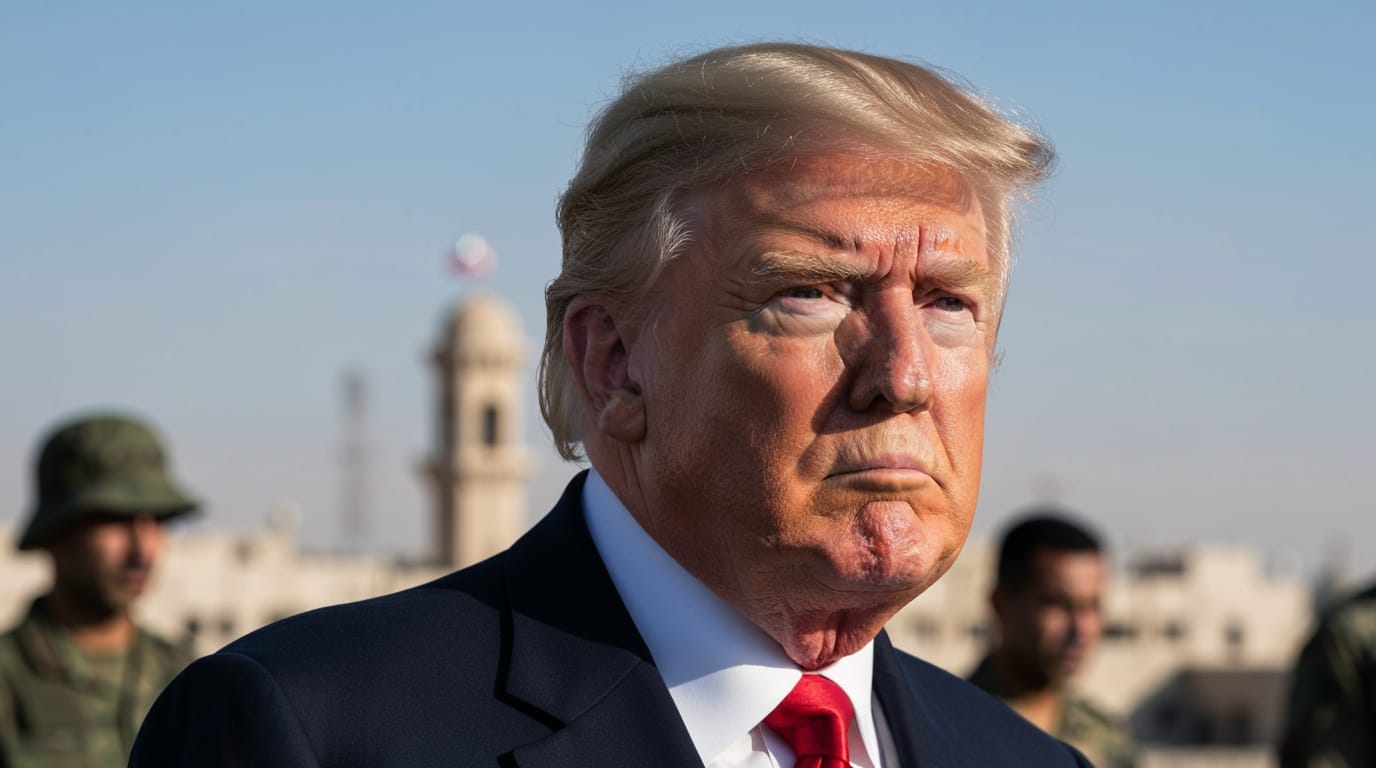
In a dramatic escalation of geopolitical tensions, U.S. President Donald Trump has announced the initiation of "major combat operations" against Iran, signaling a profound shift in American objectives towards the Islamic Republic. This move, undertaken alongside Israel, marks a departure from previous diplomatic efforts and a renewed focus on military force, with explicit aims now extending to the comprehensive dismantling of Iran's military capabilities and actively encouraging a change in its governing regime. The declared campaign highlights a long-standing intent to neutralize perceived threats from Tehran, yet it introduces unprecedented risks and uncertain outcomes in an already volatile Middle East.
From "Better Deal" to Military Action: The Evolution of Trump's Iran Policy
President Trump's approach to Iran has undergone a significant evolution, beginning with his first administration's withdrawal from the Joint Comprehensive Plan of Action (JCPOA) in 2018. He frequently criticized the 2015 nuclear deal, citing concerns over its "sunset provisions" that would gradually lift restrictions on Iran's nuclear activities, its failure to address Iran's ballistic missile program, and its inability to curb Tehran's regional malign influence. The stated goal then was to secure a "better deal" that would impose broader and more permanent restrictions on Iran's nuclear ambitions and address its wider destabilizing activities. This policy was initially pursued through a "maximum pressure" campaign, primarily relying on economic sanctions. However, the current actions represent a stark escalation, transitioning from economic coercion to overt military engagement with objectives that are far more expansive and potentially transformative for the region.
The Doctrine of "Maximum Pressure" and Its Economic Toll
During his initial term, the cornerstone of Trump's Iran strategy was the "maximum pressure" campaign, designed to cripple Iran's economy and compel its leadership to negotiate a new, more comprehensive agreement. This campaign involved imposing over 1,500 sanctions, targeting critical sectors such as Iran's financial system, oil exports, and shipping industry. The aim was to choke off revenues used by the regime and its Islamic Revolutionary Guard Corps (IRGC) to fund proxies like Hezbollah and Hamas, and to support the Assad regime in Syria and Houthi rebels in Yemen. Treasury Secretary Scott Bessent, a key architect of the sanctions, claimed the strategy was effective in severely impacting Iran's economy. The Iranian currency experienced a free fall, inflation soared to approximately 40-70%, and the country lost an estimated $150 billion in revenue by September 2020. These economic hardships triggered widespread protests across Iran. However, critics argued that while the sanctions damaged the economy, they failed to achieve regime collapse or bring Iran back to the negotiating table on U.S. terms, and also raised significant humanitarian concerns.
Direct Military Objectives: Eliminating Threats and Enforcing Change
The latest "major combat operations" have illuminated a set of explicit military objectives that underscore the administration's resolve to neutralize what it describes as "imminent threats" from the Iranian regime. President Trump stated the primary aim is to "defend the American people" and ensure Iran "never obtains a nuclear weapon." Beyond nuclear non-proliferation, the military campaign specifically targets Iran's conventional military capabilities. Objectives include the destruction of Iran's missile infrastructure, with vows to "raze their missile industry to the ground" and "obliterate their missiles." The U.S. also aims to "annihilate their navy" and disrupt the operations of Iran-backed armed groups in the region, which are often referred to as "terrorist proxies."
A significant, and perhaps most audacious, objective articulated by President Trump is the explicit call for regime change. Addressing the Iranian populace directly, he urged them to "take over your government," asserting that "the hour of your freedom is at hand." This overt endorsement of internal political upheaval marks a stark departure from previous U.S. foreign policy rhetoric, which often avoided direct calls for regime change. It signals a comprehensive strategy aimed not just at altering Iranian behavior but at fundamentally transforming its political landscape.
Unintended Consequences and Heightened Regional Volatility
Despite the ambitious objectives, the "maximum pressure" campaign from Trump's first term did not yield the desired "better deal" or immediate collapse of the Iranian regime. Instead, it contributed to a significant escalation of tensions and unforeseen consequences. Following the U.S. withdrawal from the JCPOA, Iran systematically began to breach the terms of the agreement, increasing its uranium enrichment levels and stockpiles, and reducing its nuclear breakout time from over a year to an estimated three months by early 2021. This reversal of the JCPOA's key achievements brought Iran closer to a nuclear weapons capability.
Regionally, the period saw a surge in incidents, including attacks on oil tankers, drone shoot-downs, and suspected Iranian strikes on Saudi oil facilities. The targeted killing of Iranian Major General Qassem Soleimani in early 2020 further inflamed tensions, leading to Iranian retaliatory strikes against U.S. bases in Iraq. During this time, the U.S. often found itself diplomatically isolated, with European allies striving to preserve the nuclear deal. The renewed military campaign in 2026 comes amid reports of Iran's "hardened defenses" and its increased willingness to retaliate, raising concerns about a prolonged and unpredictable conflict.
The Path Forward: Risks and Uncertain Achievements
The current military operations against Iran represent the culmination of a policy that has progressively shifted from diplomatic pressure to overt military intervention. The objectives are clear: prevent a nuclear-armed Iran, dismantle its conventional military threats, curb regional proxy activities, and facilitate internal political change. However, the path to achieving these goals is fraught with immense challenges.
The efficacy of military action in achieving political objectives in such a complex region remains a subject of intense debate. While some officials in Trump's administration previously hailed the "maximum pressure" campaign as a success in causing economic pain and triggering protests, others have criticized it as a "failure" that only strengthened hardline elements within Iran and brought the region to the brink of conflict. Analysts note that previous administrations have struggled to evaluate the full political and social impacts of economic coercion, let alone direct military intervention. The explicit call for regime change, a goal that Trump previously disavowed, elevates the stakes considerably, potentially committing the U.S. to a prolonged and costly engagement. The scale of escalation and the long-term sustainability of such a campaign, particularly in a region marked by decades of foreign interventions, pose profound questions for international security and stability. The ultimate achievements of these ambitious objectives will be measured against the backdrop of increased regional instability and the potential for a wider, more devastating conflict.


