U.S. Pressure Campaign Pushes Cuba to Economic Precipice
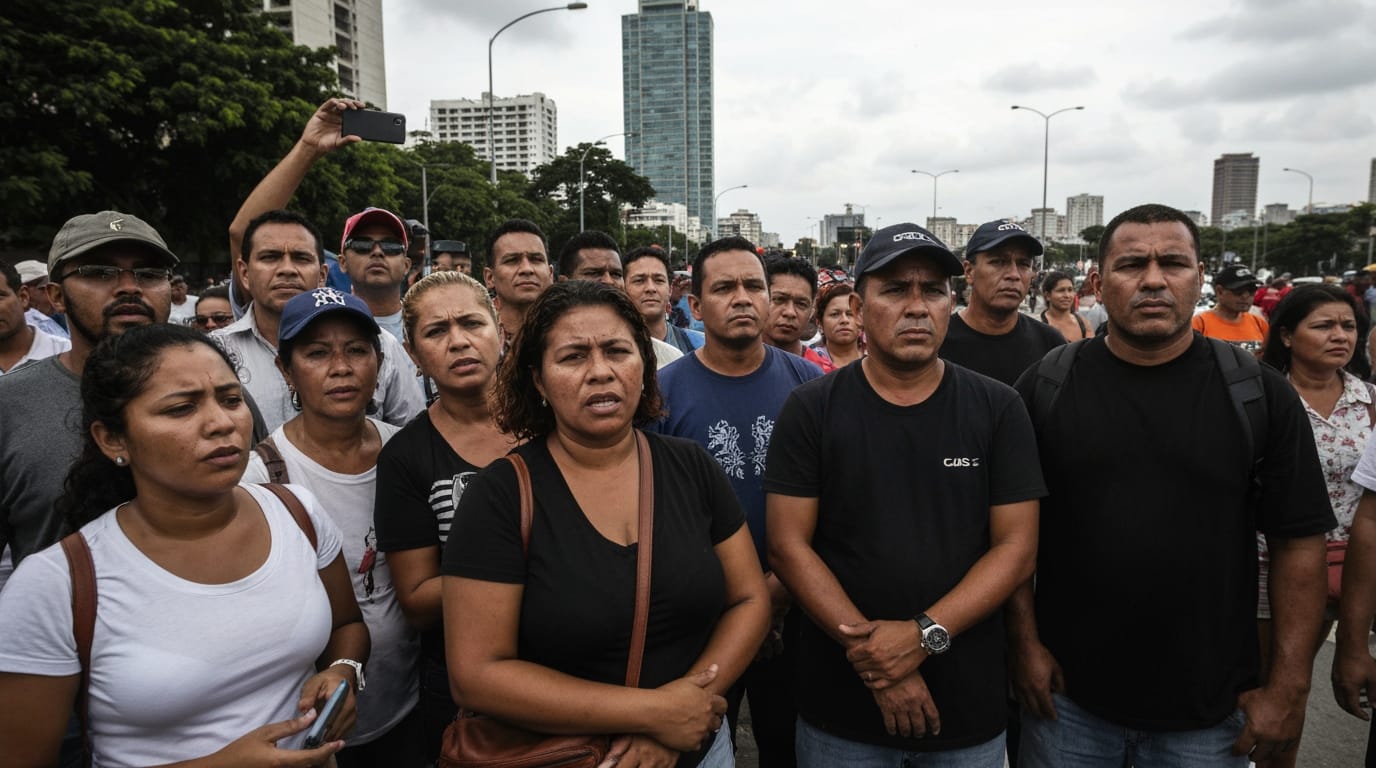
HAVANA – A concerted and escalating campaign of sanctions and policy reversals initiated by the Trump administration, heavily influenced by Senator Marco Rubio, has pushed Cuba's long-strained government and economy to the brink, fostering an unprecedented humanitarian crisis and widespread hardship across the island nation. The "maximum pressure" strategy, which rolled back Obama-era diplomatic overtures, has intensified an existing embargo, leading to critical shortages of fuel, food, and medicine, while profoundly impacting the lives of ordinary Cubans.
A Return to Hardline Tactics
The pivot in U.S. policy towards Cuba began in 2017 with the Trump administration's deliberate dismantling of the engagement policies pursued by the Obama administration. Former President Barack Obama had sought to normalize relations, easing travel restrictions, lifting limits on family and donative remittances, and reopening diplomatic channels. This period, often referred to as the "Cuban thaw," saw an increase in U.S. visitors and renewed economic activity. However, the Trump administration quickly reversed course, asserting that Obama's policies primarily benefited the Cuban military and government, rather than empowering the Cuban people. The new approach was characterized by a push to financially isolate the Cuban regime and compel internal reforms through economic constriction.
Economic Lifelines Severed
Central to the Trump administration's strategy were severe restrictions on two crucial lifelines for the Cuban economy: remittances and tourism. In 2019, the U.S. Treasury Department imposed a cap on family remittances, limiting them to $1,000 per quarter per recipient, a significant reduction from the previously unlimited amounts. Additionally, donative remittances, which allowed non-family members to send money, were prohibited entirely. Further escalating the pressure, in 2020, the U.S. halted the flow of remittances through FINCIMEX, a Cuban financial institution linked to the military, leading to the cessation of operations by Western Union, a primary money transfer service on the island. These measures drastically curtailed a vital source of income for countless Cuban families and the burgeoning private sector, with some estimates suggesting a loss of hundreds of millions of dollars in remittances.
Simultaneously, travel restrictions were reimposed and expanded. Individual "people-to-people" educational travel, which had facilitated thousands of American visits, was banned, and U.S. cruise ships were prohibited from docking in Cuban ports. The administration also broadened the list of Cuban entities, including hotels and businesses, with which U.S. citizens and companies were forbidden from transacting, citing their links to the Cuban military. These restrictions, while intended to target the government, significantly impacted Cuba's tourism industry, which had become a key revenue generator, leaving both state-run enterprises and private entrepreneurs struggling.
Reawakening the Helms-Burton Act
A significant escalation came in May 2019 with the full activation of Title III of the Helms-Burton Act, a provision that had been consistently suspended by previous U.S. presidents since its enactment in 1996. This move allowed U.S. nationals to file lawsuits in U.S. courts against companies and individuals "trafficking" in properties confiscated by the Cuban government after the 1959 revolution. The stated aim was to deter foreign investment in Cuba by creating legal and financial risks for international businesses. The activation promptly led to high-profile cases, such as ExxonMobil suing the Cuban government over confiscated oil assets, signaling a new front in the economic war.
The Energy Blockade and Humanitarian Crisis
The "maximum pressure" campaign intensified dramatically, culminating in an energy blockade that, as of early 2026, has precipitated a severe humanitarian crisis. Following U.S. military intervention in Venezuela and the capture of its leader, Nicolás Maduro, the critical supply of Venezuelan oil to Cuba—a lifeline for nearly three decades—was abruptly cut off. The Trump administration further exacerbated this by threatening tariffs against any country that continued to supply oil to Cuba.
The effects on the island have been immediate and devastating. Cuba has plunged into profound fuel shortages, leading to widespread power blackouts, halted public transportation, and the closure of universities, schools, and non-essential state offices. International flights to Havana have been canceled due to a lack of aviation fuel, further isolating the nation. The crisis has severely impacted healthcare services, with Cuba's Health Minister warning of threats to "basic human safety," particularly affecting patients needing continuous care like radiotherapy and chemotherapy. For many Cubans, the current hardships are reminiscent of the "Special Period" of economic depression following the collapse of the Soviet Union in the 1990s.
Senator Rubio's Enduring Influence
A consistent and influential voice behind the Trump administration's hardline stance has been Senator Marco Rubio, whose advocacy has been instrumental in shaping U.S. policy toward Cuba. With his parents being Cuban immigrants, Rubio has publicly acknowledged a "personal" agenda against the Cuban regime, consistently pushing for policies aimed at isolating the government and ultimately seeking a change in leadership. His deep engagement in these matters was highlighted by former President Trump's recent statements indicating that Senator Rubio was handling discussions regarding Cuba "at a very high level."
The Brink of Collapse?
Cuba's government, a one-party communist state led by President Miguel Díaz-Canel since 2019, has denounced the U.S. actions as "immoral, arrogant and perverse" and "shameful and criminal." Despite some internal economic reforms allowing limited private sector activity, the state continues to heavily control the economy. The intensified U.S. pressure has exacerbated a pre-existing economic crisis characterized by persistent inflation, widespread poverty, and a growing exodus of its citizens, with over half a million Cubans having left the island since 2021. Public confidence in the government has eroded, leading to protests and an uncertain future. While some analysts suggest the U.S. strategy might be driven by commercial interests, the immediate outcome is a humanitarian emergency that strains an already resilient populace. The long-term implications for Cuba's political stability and the well-being of its people remain precarious.