Germany Grapples with Social Media Restrictions for Minors Amid Rising Concerns
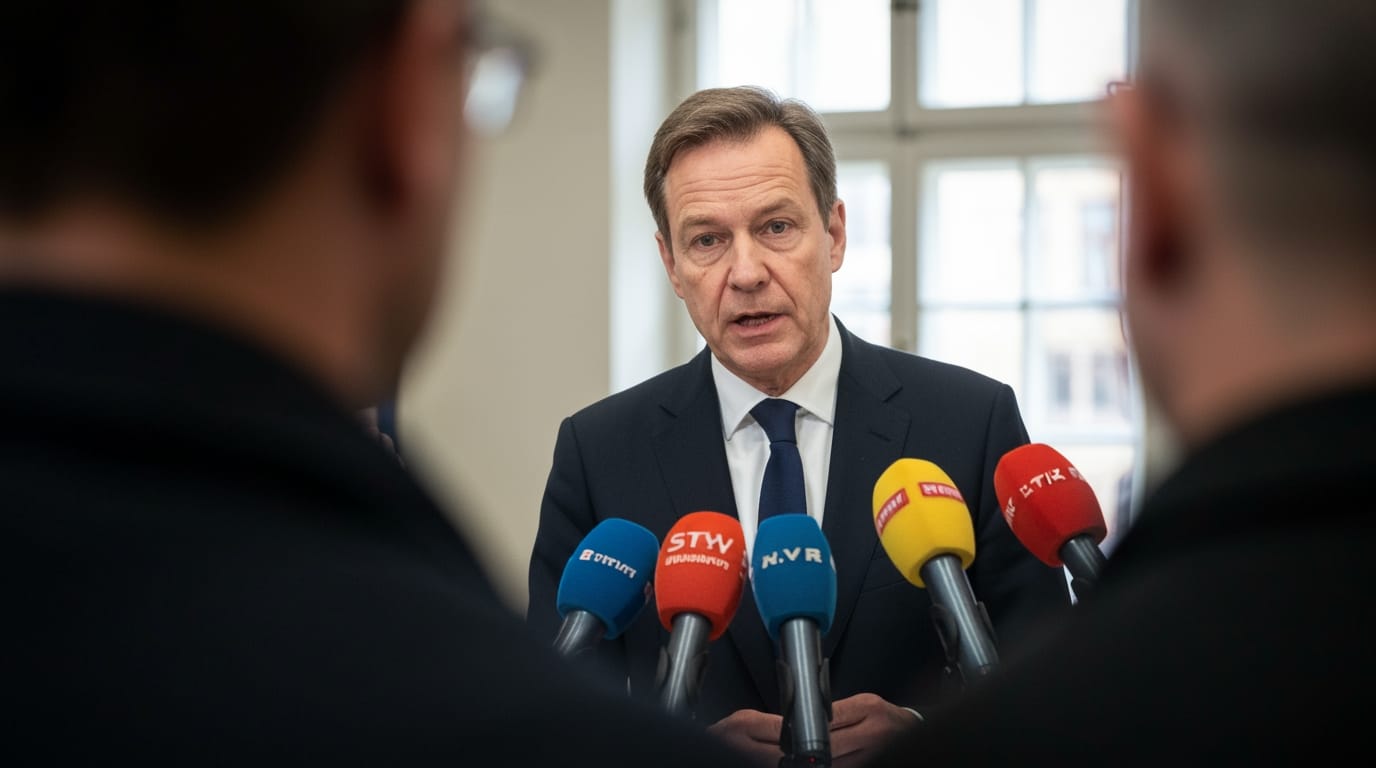
A significant and increasingly vocal segment of Germany's political leadership is advocating for stricter age restrictions on social media access for teenagers, with some ministers seeing considerable merit in a nationwide ban for those under 16. This push is fueled by growing concerns over the profound impact of digital platforms on youth mental health, educational development, and overall well-being, positioning Germany within a burgeoning international movement to redefine the digital boundaries for young people.
A Unified Call for Digital Protection
The discourse surrounding social media and youth in Germany has intensified, drawing attention from various government portfolios. Commissioner on Narcotic Drugs, Hendrik Streeck, has been a prominent voice, calling for a "strict staggered age limit" for social media use. Streeck points to scientific evidence linking extensive digital media consumption, particularly age-inappropriate content, to addictive behaviors and problematic substance use among children and young people. German children reportedly spend an average of four hours daily on social media, alongside additional time on gaming and streaming services, a pattern Streeck deems "alarming" due to its potential to displace crucial social, motor, and sensory activities.
Echoing these concerns, Federal Data Protection Commissioner Louisa Specht-Riemenschneider has warned of "massive dangers" children face online, including cyber-grooming, hate speech, and the erosion of data privacy. She suggests an age limit of 16 as a protective measure, proposing innovative solutions like a digital wallet for age verification that circumvents the need for users to upload sensitive identification documents. Cem Özdemir, a Green Party politician and former education minister, has also championed a total ban for individuals under 16, likening social media use to driving—a skill requiring gradual learning and responsible guidance.
Further underscoring the broad governmental concern, Justice Minister Stefanie Hubig advocates for clear and effective age limits, asserting that such restrictions would shield children's privacy, foster healthy development, and ease the burden on parents navigating their children's online lives. Hubig also highlights early evidence from other countries suggesting that such limitations can lead to positive outcomes in schools, including reduced bullying and improved concentration. These sentiments are reinforced by Family Minister Kristina Prien, who has convened an expert commission to explore legislative measures, including restricting social media access for under-16s, citing concerns about minors' extensive online engagement negatively affecting cognitive performance and well-being. Prominent political figures like Carsten Linnemann, General Secretary of the CDU party, and Jens Spahn, head of the Union's parliamentary group, have also openly considered an under-16 ban, noting neuroscientific findings that suggest platforms like Instagram and TikTok can trigger the brain's reward system similarly to addictive substances.
Global Momentum and Emerging Legislation
Germany's internal debate is not isolated; it is part of a growing international movement reflecting widespread concern over the digital safety of minors. Australia has already set a global precedent by implementing a nationwide ban on social media accounts for individuals under 16, which came into effect in December 2024. This legislative move, compelling tech giants to prevent minors from logging in or face significant fines, has intensified legislative discussions across Europe.
The European Parliament, recognizing the escalating risks, passed a non-legislative resolution in November 2025, calling for a harmonized EU digital minimum age of 16 for access to social media, video-sharing platforms, and AI companions. While allowing 13- to 16-year-olds access with parental consent, the resolution also targets harmful addictive practices like infinite scrolling and autoplay, urging a ban on engagement-based recommendation systems for minors. This non-binding resolution signals a strong political will at the European level for stricter regulations. Several other European nations, including France, Denmark, Italy, and Greece, are actively exploring or have proposed similar restrictions, ranging from parental consent requirements to complete bans for specific age groups. This concerted European effort highlights a shared understanding of the need to protect young users from the evolving challenges of the digital landscape.
Navigating the Complexities of Implementation
Despite the broad political and public support for stronger protections—a recent survey indicates 60 percent of Germans favor a social media ban for under-16s, with some polls showing support as high as 82 percent—the practicalities of implementation present significant hurdles. A major challenge lies in effective age verification without compromising data privacy. Commissioner Specht-Riemenschneider, for instance, has emphasized that it is "not acceptable from a data protection point of view for everyone to upload their identification documents".
Moreover, the highly interconnected nature of the digital world necessitates harmonized, Europe-wide solutions. As Alexandra Koch-Skiba, Head of the eco Complaints Office (Association of the Internet Industry), points out, "If this were to lead to national isolated solutions, it would make the protection of minors more difficult rather than improving it". For internationally operating platforms, a uniform European basis is crucial for effective and legally sound action. Many existing social media platforms technically require users to be at least 13, yet child protection advocates note that official data in several European countries indicate a substantial number of children under 13 have accounts, highlighting the current insufficiency of self-regulation. The German expert commission, established by the federal government, is specifically tasked with evaluating such legislative measures and providing actionable recommendations, with its findings expected by late 2026.
Beyond Bans: Education and Responsible Design
While outright bans are a significant part of the discussion, German officials and civil society organizations recognize that a multi-faceted approach is essential. The Social Association of Germany (Sozialverband Deutschland or SoVD) has advocated for mandatory media competence classes in German schools, arguing that not all children receive adequate digital education at home and are therefore vulnerable to disinformation, hate speech, and AI-generated content. This emphasis on media literacy aims to empower young people to navigate the online world responsibly rather than simply restricting access.
The European Parliament's resolution also underlines the importance of platform responsibility, calling for bans on manipulative "addictive design features" such as infinite scrolling and default autoplay for minors, along with stricter rules against commercial exploitation, like incentivizing "kidfluencing". These measures suggest a move towards holding platforms accountable for designing safer, age-appropriate digital environments. Parents are also seen as crucial actors, with many respondents in surveys emphasizing the importance of parental involvement in guiding children's social media use, depending on their developmental stage.
Conclusion
The debate in Germany over social media restrictions for teenagers reflects a pressing societal challenge: how to safeguard the well-being of young people in an increasingly pervasive digital landscape. The growing consensus among German political figures, supported by public opinion and international legislative trends, points towards a future where greater scrutiny and regulation of youth social media access are likely. While the specifics of implementation—particularly age verification and the need for harmonized European solutions—remain complex, the urgency of protecting minors from digital harms is undeniable. As the expert commission continues its work and the European Union moves toward more comprehensive digital safety standards, the conversation in Germany underscores a pivotal moment in re-evaluating the role of technology in the lives of its youngest citizens. The ongoing dialogue aims to strike a delicate balance between fostering digital literacy and preventing the potential negative consequences of unregulated online engagement.


