Germany Holds First-Ever Veterans Day Amidst Shifting Attitudes Toward Military
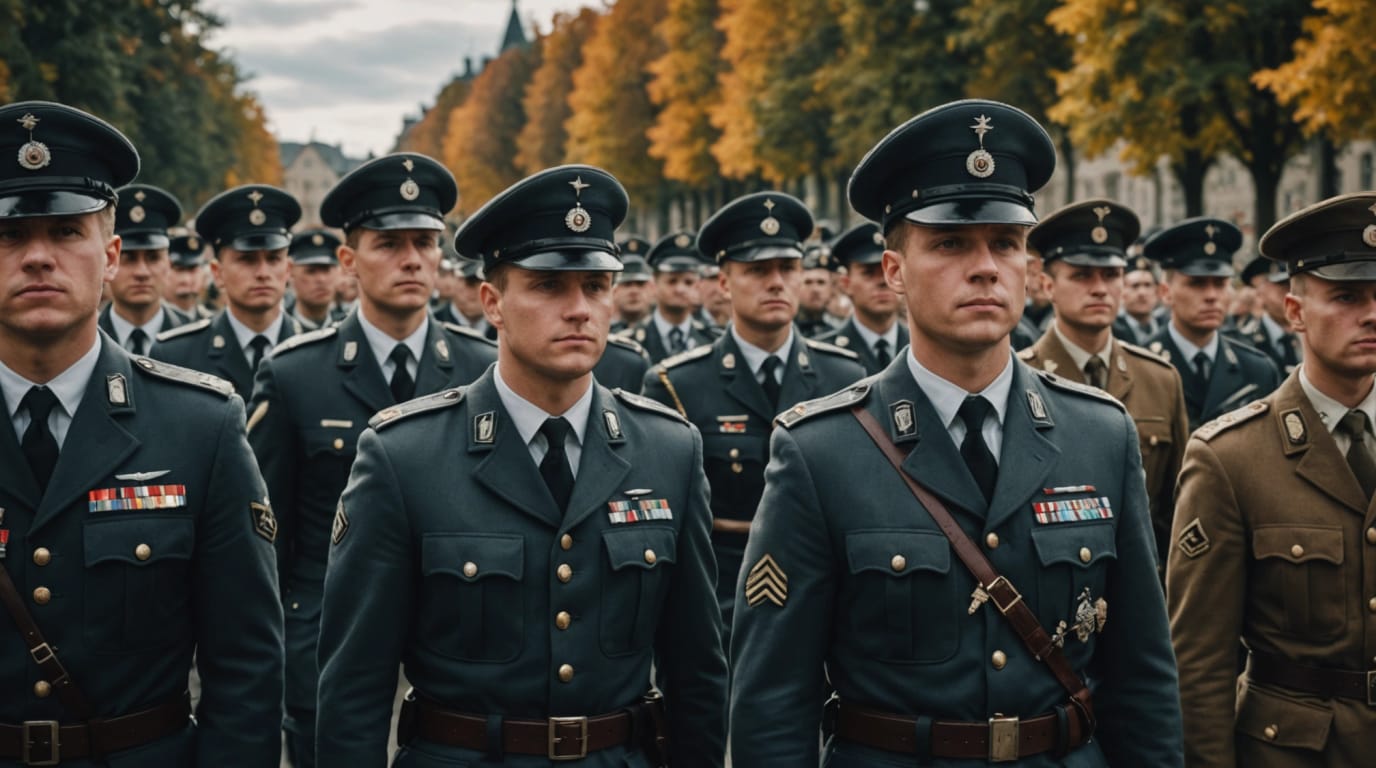
Germany commemorated its first national Veterans Day on Sunday, June 15, a historic event signaling a potential shift in the nation's long-held pacifist traditions. The day was marked by events across the country, most notably a "veterans' village" erected near the Reichstag building in Berlin, aiming to honor and express gratitude to both active-duty soldiers and veterans of the Bundeswehr, Germany's armed forces. This move comes as Germany grapples with a changing geopolitical landscape and a renewed focus on bolstering its military capabilities.
A Break From the Past
For decades, Germany has been hesitant to publicly celebrate its military due to the legacy of World War II and the atrocities committed by the Wehrmacht. Celebrations of German veterans were largely considered taboo, and anything that could be seen as a "display of militarism" was avoided. This historical context makes the establishment of Veterans Day a significant departure from the norm. The new commemoration, established by a parliamentary resolution passed last year, is designed to "express gratitude, appreciation, and respect" for the Bundeswehr, according to the German Bundestag. The aim is to strengthen the bond between the military and the German people.
Motivations Behind the Shift
Several factors have contributed to this change in attitude. Russia's invasion of Ukraine in 2022 has been a major catalyst, prompting Germany to reassess its defense posture and launch a drive to overhaul its long-neglected armed forces. Concerns about the United States' commitment to European security under former President Donald Trump have also added impetus to these efforts.
Chancellor Friedrich Merz stated on social media platform X, "The Bundeswehr is an integral part of our society," adding that those who serve or have served in the military deserve widespread appreciation, respect, and recognition.
Addressing Recruitment Challenges
Germany's armed forces are facing significant recruitment challenges. The Bundeswehr has a target of increasing its troop numbers from 181,000 to 203,000 by 2031, but is struggling to attract new recruits. Defense Minister Boris Pistorius has even suggested that the recruitment drive may not remain voluntary, hinting at a possible return to conscription, which was officially suspended in 2011.
It is hoped that events like Veterans Day can "motivate people… to become reservists or enlist as soldiers," according to Anna-Maria Jeremic, a 21-year-old reservist. The government hopes to create a "military service that is initially based on voluntary participation and is intended to encourage young people to serve their country."
Mixed Reactions and Opposition
Despite the official support for Veterans Day, there is still opposition to the idea. Die Linke (The Left Party) organized a counter-event in Berlin titled, "We will not celebrate your wars," arguing that the new day was designed to "make war acceptable" and create "cannon fodder" for the German armed forces.
Military historian Sönke Neitzel expressed concerns that it was "too early" for such a celebration, noting that Germany's combat operations in Afghanistan were still seen as something that "should never have happened."
Thorsten Gärtner, a senior sergeant in the Bundeswehr who served five tours in Afghanistan and suffers from post-traumatic stress disorder, said he still does not always feel comfortable wearing his uniform on public transport in Berlin. "I hope that one day it will be like in other countries, like the US, with an ID card for veterans and a 10% discount everywhere. I doubt that will happen. It's not yet accepted. It will take a very long time," Gärtner said.
Defining a "Veteran" in the German Context
One of the challenges in establishing a Veterans Day in Germany has been defining who qualifies as a "veteran." The term has historically been associated with World War II, and there was a need to create a new definition that reflects the modern Bundeswehr.
In 2018, then Minister of Defense Ursula von der Leyen decreed, "A veteran of the Bundeswehr is anyone who is in active service as a soldier in the Bundeswehr or has retired honorably from this service and has not lost their rank." This broad definition encompasses almost all current and former soldiers of the Bundeswehr since 1955, potentially including around 10 million Germans.
Addressing the Needs of Veterans
For the Association of German Veterans, the focus is not just on recognition and appreciation, but also on supporting those who were injured in service. A National Veterans Day can serve as a platform to highlight these issues and shine a light on the shortcomings that still need to be addressed. This includes mental health support, particularly for soldiers suffering from post-traumatic stress disorder (PTSD). Many veterans face lengthy examinations and bureaucratic hurdles, leading to delays in receiving care.
Andreas Eggert, a soldier for 25 years who was deployed seven times to Afghanistan, stated, "We would like to see faster, simpler procedures." He also noted that the longest known case he's aware of took 13 years before support was granted.
Looking Ahead
The establishment of Veterans Day in Germany marks a significant step towards acknowledging the service and sacrifices of its military personnel. While challenges and opposition remain, the event signals a potential shift in public perception and a growing recognition of the Bundeswehr's role in national security. It remains to be seen how this new tradition will evolve and whether it will lead to greater support and appreciation for veterans in German society.


