Germany Intensifies Crackdown on Neo-Nazi Networks as Threat to Democracy Mounts
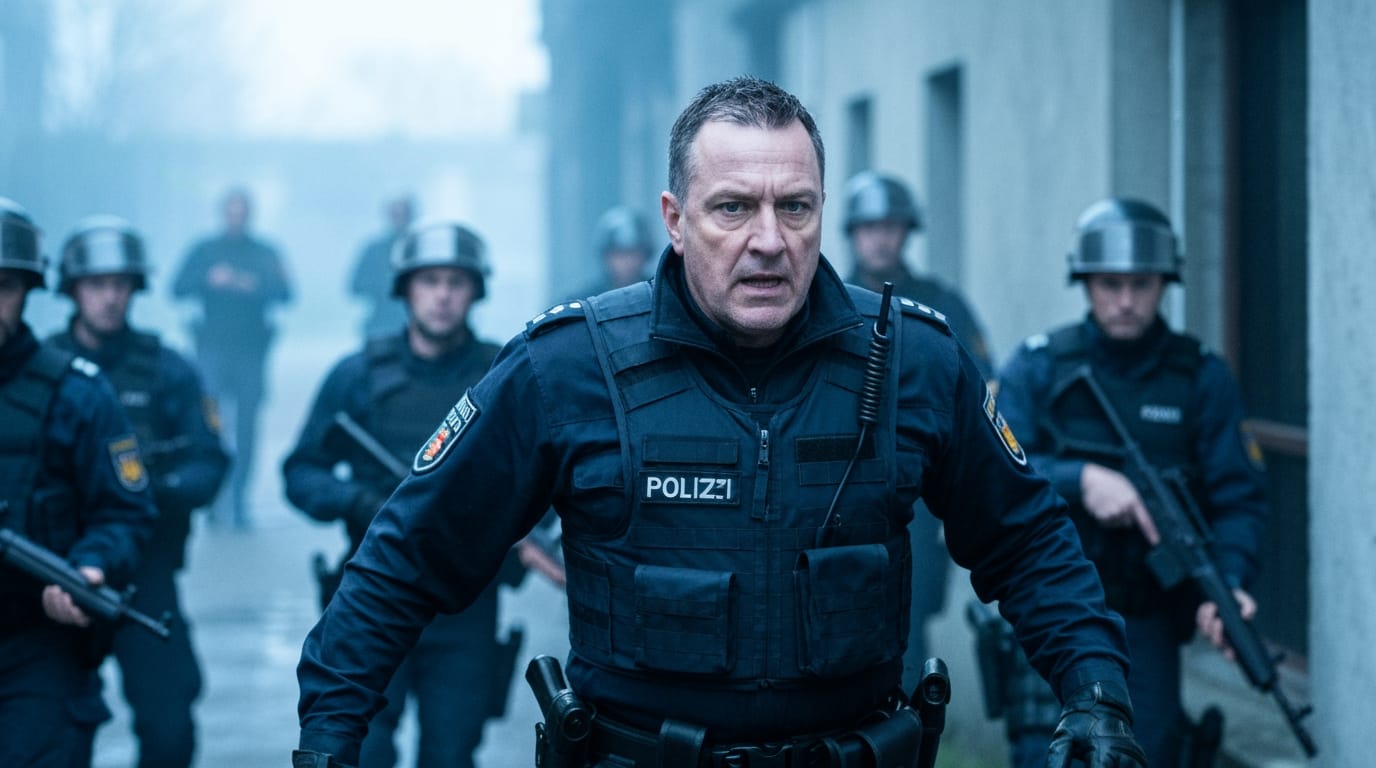
BERLIN – Germany is significantly escalating its fight against neo-Nazi and far-right extremist networks, launching extensive operations and implementing new measures in response to what officials increasingly describe as the nation's gravest threat to democratic order. Recent high-profile arrests, including those connected to a sprawling plot to overthrow the government, underscore the depth of the challenge and the unwavering determination of German authorities to dismantle these dangerous groups.
The Alarming Resurgence of Right-Wing Extremism
For years, German domestic intelligence agencies have warned of the growing peril posed by right-wing extremism, but the scale of the threat has intensified dramatically. Officials now consistently identify it as the "greatest threat" to the country's democratic foundations. Reports from the Federal Office for the Protection of the Constitution (BfV), Germany's domestic intelligence agency, reveal an alarming rise in both the number of right-wing extremists and the crimes they commit. In 2019, approximately 32,080 individuals were classified as right-wing extremists. By 2024, this figure had surged to an estimated 40,600 people within the far-right scene, with more than one-third considered prepared to resort to violence.
The ideological underpinnings of these groups often revolve around nationalism, racism, and antisemitism, with many downplaying or even glorifying National Socialism. This ideology manifests in various forms, from overt neo-Nazism to the anti-state "Reichsbürger" (Citizens of the Reich) movement, which rejects the legitimacy of the modern German state and its laws. The BfV noted a staggering 47.4% increase in crimes with a right-wing extremist background in 2024, totaling 37,835 offenses. This included 1,281 violent acts and six attempted homicides. Xenophobic crimes alone saw a 25.3% increase in the same period. This disturbing trend highlights a shift from sporadic acts of violence to organized efforts aimed at destabilizing German society and its institutions.
Major Operations Uncover Coup Plots and Terror Cells
The heightened vigilance of German security forces has led to a series of significant breakthroughs, exposing and neutralizing several dangerous plots. Perhaps the most audacious was the foiling of a far-right coup attempt by the "Patriotic Union," a faction of the Reichsbürger movement, in December 2022. More than 3,000 police officers, including special forces, conducted raids across 11 German states, as well as in Austria and Italy, searching over 130 locations. The operation resulted in the arrest of 25 individuals, including Heinrich XIII Prinz Reuß, a self-proclaimed aristocrat who allegedly intended to lead a new German state, and Birgit Malsack-Winkemann, a former member of the Bundestag for the far-right Alternative for Germany (AfD) party.
Prosecutors revealed that the group had been planning since at least November 2021 to violently storm the German parliament, seize power, and install a monarchist government. They had amassed significant funds, acquired nearly 400 guns, and engaged in military training, demonstrating a high degree of organization and intent. Trials for the alleged plotters are currently underway, with proceedings starting in Frankfurt in May 2024 for 27 suspects.
Beyond this massive operation, authorities continue to dismantle other extremist cells. In May 2025, German police arrested five teenage suspects belonging to a neo-Nazi group called "Last Defence Wave." These minors were allegedly planning attacks against asylum seekers and political opponents, with investigators finding over 70 chat groups linked to the organization. Justice Minister Stefanie Hubig described the involvement of minors as "particularly shocking" and an "alarm signal" that right-wing extremist terrorism knows no age. Furthermore, in November 2025, a German-Polish national with alleged neo-Nazi ties was arrested for operating a darknet platform that called for the assassination of prominent politicians, including former chancellors Angela Merkel and Olaf Scholz, offering bounties in cryptocurrency for their deaths.
These incidents are not isolated; they follow other acts of right-wing extremist violence, such as the 2019 assassination of regional politician Walter Lübcke, highlighting the tangible threat posed by radicalized individuals and networks.
A Multi-Front Battle: Legislative and Proactive Measures
The German government has adopted a comprehensive, multi-faceted approach to counter the rising tide of right-wing extremism. This strategy encompasses legislative reforms, enhanced surveillance, and extensive prevention programs. In February 2024, Interior Minister Nancy Faeser outlined new measures aimed at "dismantling right-wing extremist networks, cutting their finances, and taking away their weapons." This includes closer cooperation among police, domestic intelligence, and financial institutions to target extremist funding. Additionally, the government plans to expedite the dismissal of extremists from public service and tighten gun laws, revoking firearm permits for suspected extremists.
Legal frameworks have been strengthened, notably by tightening laws against hate crimes, especially those perpetrated online. The Federal Criminal Police Office (BKA) has developed a three-level counterterrorism strategy focusing on increasing enforcement pressure, identifying networks more rapidly, and combating online hate speech through a Central Reporting Unit for Criminal Contents on the Internet. There are also plans to amend the Basic Law to safeguard the Federal Constitutional Court from potential far-right political influence, a move requiring a two-thirds majority in parliament.
Beyond enforcement, Germany is investing heavily in prevention and deradicalization. The federal government allocated approximately $1.2 billion between 2021 and 2024 for projects aimed at preventing extremism and promoting democracy. Initiatives like "Demokratie leben!" (Live Democracy!) and "Zusammenhalt durch Teilhabe" (Cohesion through Participation) support grassroots efforts to strengthen democratic culture. Programs such as "Exit Deutschland" provide crucial support for individuals seeking to leave extremist scenes. This holistic approach recognizes that security measures alone are insufficient without addressing the societal roots and ideological spread of extremism.
The Persistent Challenge and Future Vigilance
Despite these robust efforts, the battle against neo-Nazi networks remains a persistent and evolving challenge. The Reichsbürger movement alone is estimated to have around 25,000 supporters, with 10% considered potentially violent. The "Brandmauer," or "firewall against the far-right," strategy, adopted by mainstream political parties and civil society, aims to suppress the growing influence of far-right politics and buttress the rule of law. However, the rise in support for far-right parties like the AfD, particularly in eastern German states, underscores the ongoing societal debate and the complexities of containing extremist ideologies.
Extremist groups are increasingly adept at utilizing online platforms and social media to recruit, spread propaganda, and organize, posing a significant challenge for authorities. The involvement of minors in recent plots also highlights the need for continuous adaptation in prevention and intervention strategies. The German government and its security agencies acknowledge that the threat is dynamic, requiring constant vigilance and a readiness to evolve tactics in response to new extremist trends and organizational structures.
Unwavering Commitment to Democratic Principles
Germany's intensified crackdown on neo-Nazi networks reflects an unwavering commitment to defending its democratic principles and institutions. The country's dark history serves as a powerful reminder of the dangers of unchecked extremism, fueling a societal resolve to prevent any resurgence of ideologies that undermine human dignity and the rule of law. Through aggressive law enforcement, strategic legal reforms, and extensive societal prevention programs, Germany is engaged in a profound and continuous struggle to safeguard its open and democratic society from those who seek to destroy it from within. The fight is far from over, but the message from Berlin is clear: neo-Nazi and right-wing extremist networks will find no refuge in Germany.


