Germany Ramps Up Defenses Against Broad Spectrum of Russian Hybrid Threats
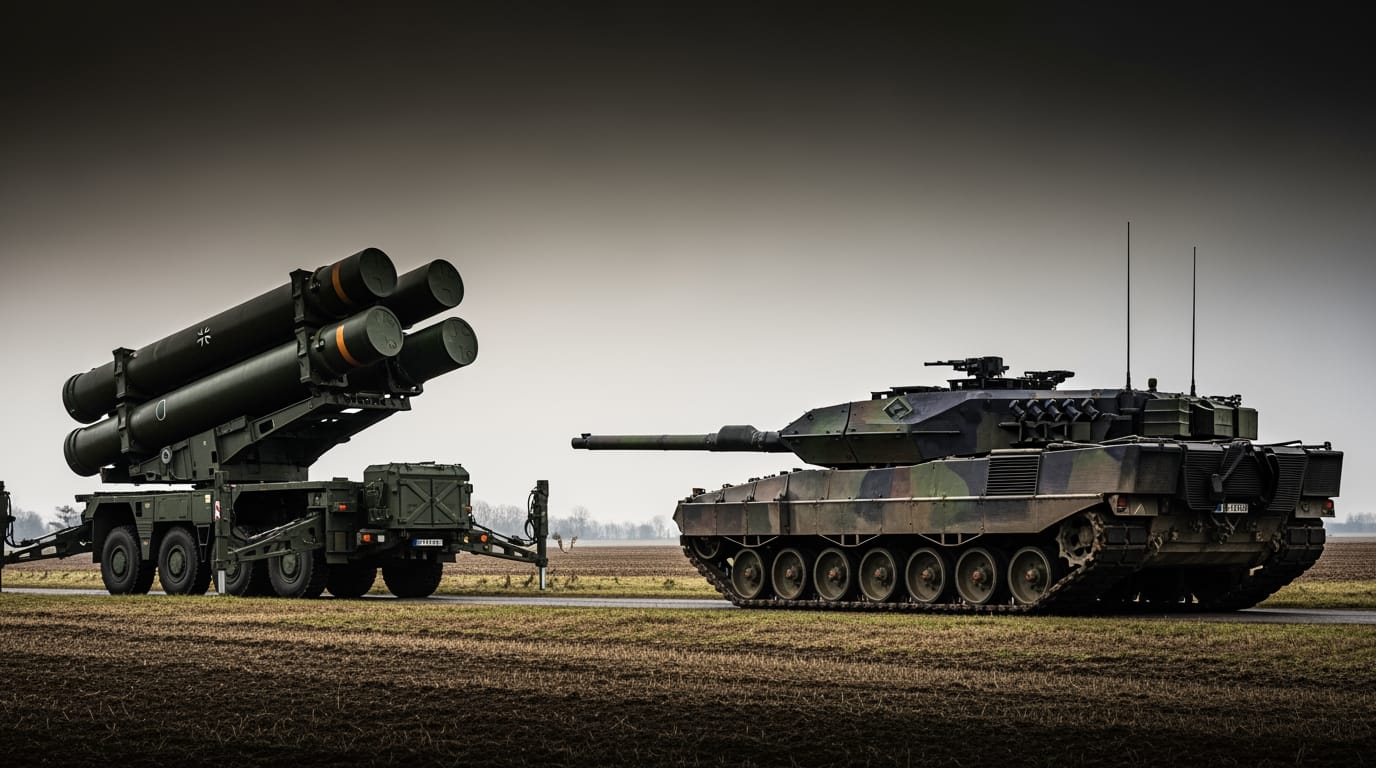
BERLIN – Faced with an increasingly aggressive and multifaceted Russian hybrid warfare strategy, Germany has embarked on a profound and comprehensive overhaul of its national defense and civil preparedness. This strategic pivot, often termed a "Zeitenwende" or turning point, signifies Berlin's recognition that threats extend far beyond traditional military confrontation, encompassing cyberattacks, disinformation campaigns, economic coercion, and sophisticated espionage. The nation is now mobilizing its armed forces, intelligence agencies, and civil protection mechanisms to counter a complex array of destabilizing tactics.
For years, Russia has engaged in "gray area" tactics that intentionally blur the lines between peace and conflict, making clear attribution and response challenging. German intelligence agencies, including the Federal Intelligence Service (BND) and the Federal Office for the Protection of the Constitution (BfV), warn of a "new level of confrontation" where Russia views Germany as an adversary. This heightened threat landscape has prompted urgent action, with warnings that Russia could be ready to "test Europe's borders" or launch a conventional attack on a NATO member within the next four years.
The Evolving Landscape of Digital and Subversive Warfare
The nature of modern conflict has expanded dramatically, with Germany finding itself a primary target of non-kinetic aggression. Cyberattacks constitute a significant component of this hybrid warfare. In 2023, sophisticated attacks, linked to Russian military intelligence group APT28 (Fancy Bear), targeted members of Germany's governing Social Democrats, as well as the country's defense and technology sectors. These incidents leveraged vulnerabilities in systems like Microsoft Outlook, aiming to compromise email accounts and potentially leak classified information. The damage from cyberattacks in Germany, mostly targeting public and federal institutions, reached a record $204 billion in the past year. Security agencies report increased collaboration between criminal hackers and "hacktivists" controlled by Russian intelligence, facilitating more effective cyber espionage against critical infrastructure, defense, and political organizations.
Beyond cyber intrusions, disinformation and influence operations aim to sow discord and undermine public trust. German digital forensic experts uncovered a vast pro-Russia disinformation campaign on social media platforms like X, utilizing tens of thousands of fake accounts to spread millions of posts. These campaigns often push narratives that portray the German government as neglecting its citizens in favor of supporting Ukraine, aiming to destabilize democracy and weaken alliances. The Federal Office for the Protection of the Constitution reports an unprecedented scale of cyberattacks, sanctions circumvention, and arson incidents. Investigations have noted the difficulty in identifying perpetrators, as Russia deliberately operates in this ambiguous zone, making it hard to distinguish between state-sponsored aggression, criminal activity, or mere infrastructure failure.
Modernizing Military and Cyber Defenses
In response to these escalating threats, Germany is undertaking a substantial modernization of its military, the Bundeswehr. A significant development is the establishment of a dedicated Cyber and Information Domain Service (CIR) as the fourth independent branch of the armed forces, alongside the army, air force, and navy. This move elevates cyberspace to a critical domain of military action, with the CIR responsible for combating hybrid threats such as disinformation and electronic warfare. Defense Minister Boris Pistorius announced this restructuring, emphasizing the need to adapt the Bundeswehr to "changing times" and the increasing threats from Russia. The Bundeswehr will require an additional $7.06 billion in 2025 to meet NATO's defense spending target of 2% of gross domestic product.
Further bolstering its capabilities, Germany has developed a classified 1,200-page operational plan, "OPLAN DEU," detailing how the nation would function as NATO's main logistical hub in a potential conflict. This plan outlines the mobilization of up to 800,000 German, U.S., and NATO troops across German territory, mapping critical transport routes via ports, railways, rivers, and roads, along with supply lines and security measures. The strategy emphasizes logistics, infrastructure, and civil-military coordination over sheer troop numbers, incorporating a "whole-of-society" approach. In a direct response to tangible threats, the German government has authorized the Bundeswehr and Federal Police to shoot down drones within German airspace. The Federal Criminal Police Office (BKA) has also significantly expanded its capabilities to combat cyberattacks, including the ability to disable servers used by criminals, even those rented across the globe.
Enhancing Civil Resilience and Counter-Disinformation Efforts
Beyond military and cyber defenses, Germany is racing to modernize its civil defense infrastructure, recognizing that national resilience is a societal imperative. This includes plans to reinforce public spaces, develop new early-warning systems, and prepare the civilian population for potential conflicts. Initiatives involve transforming existing structures like subway stations, parking garages, and public basements into functional shelters, with a pilot project aiming to create 1 million shelter spaces over the next decade. Authorities are also working to expand and improve Germany's emergency alert infrastructure, planning to double the number of functional sirens and enhance digital warning tools. Civilians are being encouraged to stockpile at least a 10-day supply of water, food, and medicines.
The fight against disinformation is being tackled through a multi-pronged approach. An interministerial task force, led by the Federal Ministry of the Interior, focuses on identifying Russian narratives, reinforcing fact-based communication, and increasing public resilience against information warfare. The Federal Foreign Office, the Press and Information Office, and other agencies are closely monitoring the information space for false and misleading content related to Russia's aggression. Germany has also partnered with France and Poland to establish an early warning and response system for information manipulation and foreign influence. These efforts underscore a growing understanding that countering disinformation requires proactive, fact-based communication and a critical approach to information sources, particularly on social media.
Bolstering Energy Security and Economic Independence
A crucial aspect of Russia's hybrid warfare has been the weaponization of energy, dramatically impacting Germany's economic stability and security. Historically reliant on Russian energy, Germany has undertaken a rapid and decisive effort to decouple from this dependence following the full-scale invasion of Ukraine in 2022. This "Zeitenwende" prompted a radical shift in energy policy, which previously balanced energy security, economic resilience, and climate goals.
Germany has significantly diversified its energy supply base, drastically reducing imports of Russian gas, oil, and coal. Efforts include concluding liquefied natural gas (LNG) contracts and developing new LNG terminals, with floating terminals expected to provide substantial LNG capacity. While some reliance on global energy markets for fossil fuels remains, the focus is increasingly on boosting domestic renewable energy sources and integrating AI-driven energy systems to enhance resilience. The goal is to largely achieve independence from Russian gas by mid-2024, a testament to intense governmental and industry efforts to substitute Russian energy across all sectors.
Conclusion
Germany's comprehensive response to Russian hybrid warfare represents a fundamental reorientation of its national security strategy. From military restructuring and advanced cyber defenses to civil preparedness and counter-disinformation campaigns, Berlin is adopting a "whole-of-society" approach to bolster its resilience. The explicit warnings from intelligence chiefs and the implementation of extensive operational plans highlight the gravity of the perceived threat. This concerted effort underscores Germany's commitment to protecting its democratic institutions, critical infrastructure, and its place within the NATO alliance, signaling a readiness to defend against evolving and often ambiguous forms of aggression.


