Germany Rises to Meet Russian Threats with Unprecedented Security Overhaul
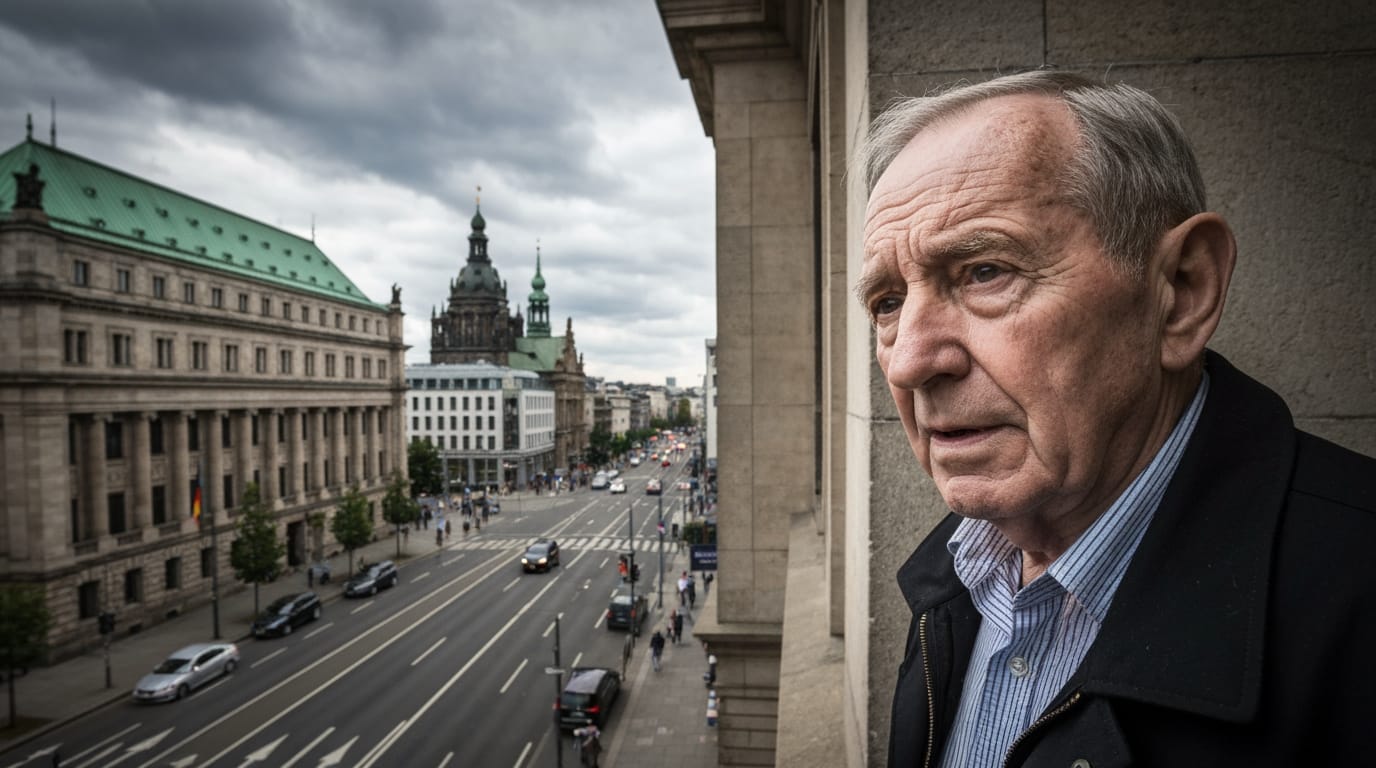
BERLIN – A profound re-evaluation of Germany’s security posture is underway as the nation confronts an escalating and multifaceted threat from Russia. Driven by a wave of cyberattacks, sophisticated disinformation campaigns, and explicit acts of sabotage, Berlin has initiated a historic shift in its defense and security policy, commonly referred to as "Zeitenwende," or turning point. This strategic pivot signals an end to decades of post-Cold War military restraint, ushering in an era of substantial rearmament, enhanced cybersecurity measures, and a more assertive role within NATO and European defense structures. The transformation reflects a growing consensus among political leaders and a significant portion of the German populace that Russia poses a direct and tangible danger to national and European stability.
The Multi-Front Hybrid Assault on German Infrastructure and Democracy
Russia's aggression against Germany extends far beyond conventional military posturing, manifesting as a pervasive "hybrid warfare" designed to destabilize, divide, and undermine democratic institutions. German officials have directly attributed numerous cyberattacks to Russian state-backed hacker groups, most notably APT28, also known as Fancy Bear. These groups have targeted critical sectors including government entities, defense industries, logistics, aerospace, and information technology. In 2023, the headquarters of the governing Social Democratic Party (SPD) were hit, exploiting a vulnerability in Microsoft Outlook to compromise servers and potentially steal data. This cyber espionage is often a precursor to or runs in parallel with broader disinformation campaigns.
Disinformation efforts by the Kremlin have intensified, with Germany becoming a primary target. In early 2024, the German Foreign Office uncovered a vast pro-Russian online campaign utilizing over 50,000 fake user accounts to disseminate millions of posts. These campaigns aim to sow discord, erode public trust in government and media, and diminish support for Ukraine. Researchers noted that a pro-Russian "doppelganger" campaign reached 38 million Germans between August 2023 and March 2024, often creating fake news websites mimicking legitimate media outlets. Germany's domestic intelligence agency, the BfV, has warned that these activities are likely to escalate, particularly around regional elections scheduled for 2026, aiming to exploit societal divisions. Beyond digital incursions, German Chancellor Friedrich Merz has accused Russia of being behind drone sightings, airspace violations, and acts of sabotage across Europe, indicating a tangible threat to physical infrastructure. Interior Minister Nancy Faeser highlighted increased threats to the country's arms industry, stating that "the security situation has deteriorated significantly."
Zeitenwende: Germany's Strategic Rebirth in Defense
In response to Russia's full-scale invasion of Ukraine in February 2022, Chancellor Olaf Scholz declared a "Zeitenwende," marking a fundamental shift in German foreign and security policy. This paradigm change abandons decades of a traditionally restrained military stance, driven by historical pacifism and a "Russia first" policy, which once saw Germany reluctant to confront Moscow. The most immediate and significant manifestation of this shift is an unprecedented increase in defense spending. Initially, a €100 billion special fund was approved for the modernization of the Bundeswehr, the German armed forces. Building on this, Germany plans to spend €649 billion on its military over the next five years, with the defense budget projected to reach €108.2 billion in 2026—the highest in the Federal Republic's history. This commitment is set to ensure Germany meets and potentially exceeds NATO's target of spending 2% of its Gross Domestic Product on defense by 2027.
This financial commitment underpins ambitious plans for military modernization, including investments in secure communications, artificial intelligence, shipbuilding, armored vehicles, advanced sensors, electronic warfare capabilities, missile defense systems, satellites, ammunition stockpiles, and drones. The goal is not to wage war, but to strengthen deterrence in the face of a changed European security architecture. Germany is also actively working to reduce its reliance on Russian energy, a costly but strategic decision given that nearly 60% of its gas previously came from Russia. Furthermore, Berlin has been a staunch supporter of Ukraine, becoming the second-largest provider of military aid globally, demonstrating a clear break from past policies of not supplying weapons to conflict zones.
Reinforcing Europe's Eastern Flank and NATO Commitments
As part of its renewed security strategy, Germany is actively enhancing its contributions to collective defense, particularly on NATO's eastern flank. The country is deploying a permanent mechanized brigade to Lithuania, a clear deterrent against further Russian aggression. In response to recent airspace violations and drone incursions, Germany has also dispatched Eurofighter jets and 150 troops to Poland, strengthening security close to Russia's Kaliningrad exclave. These deployments are integral to NATO's broader strategy of reinforcing its presence in Eastern Europe.
NATO Secretary General Jens Stoltenberg has commended Germany's leadership, acknowledging its "major contributions" to shared security and its pivotal role as the largest European contributor of military aid to Ukraine. Germany's commitment of 12,000 troops to Steadfast Defender, NATO's largest exercise since the Cold War, further underscores its dedication to alliance solidarity. Experts emphasize the necessity of increased German defense spending to translate into a more integrated European security architecture, advocating for joint military procurement, intelligence-sharing, and coordinated strategic planning within EU and NATO frameworks. This coordinated approach aims to balance deterrence with diplomatic engagement while preventing an isolated national buildup.
Navigating Public Opinion and Political Divides
The dramatic shift in Germany's security policy is largely supported by its populace, although nuanced divisions persist. Surveys reveal that a significant majority of Germans, ranging from approximately half to 79%, view Russia as a major threat to their national security and global peace. This perception has increased substantially since the 2022 invasion of Ukraine, with 65% of respondents in a 2024 survey considering Russia's military actions a significant threat to Germany's national security. There is also strong support for increased military spending, with 58% of Germans backing higher defense expenditures.
However, the consensus is not absolute. While most Germans support Ukraine, public approval for increasing military aid to Kyiv is split, and overall support for Ukraine has seen a slow decline. Political divisions are evident, particularly among voters for the far-right Alternative for Germany (AfD) and the populist left-wing Sarah Wagenknecht Alliance, where a smaller proportion views Russia as a significant threat. This internal debate highlights the challenge for the German government to maintain public support for its evolving security commitments, especially as some polls indicate a growing concern about Germany being drawn into a military conflict.
A New Era of German Security
Germany is clearly charting a new course, moving from a long-standing posture of military reticence to one of robust engagement and self-defense. The "Zeitenwende" is not merely a budgetary adjustment but a profound cultural and strategic transformation. By bolstering its military capabilities, actively countering hybrid threats, and reinforcing its commitments to NATO and European allies, Germany aims to assert itself as a leading force in regional security. While challenges remain in modernizing its armed forces, consolidating public opinion, and navigating complex geopolitical landscapes, Berlin's resolute response to Russian threats underscores a recognition that the era of complacency has ended, replaced by an urgent imperative for tighter, more comprehensive security. This shift positions Germany as a pivotal actor in redefining the future of European defense and collective security in a volatile world.


