Germany Sees Unprecedented Surge in Citizenship Acquisitions
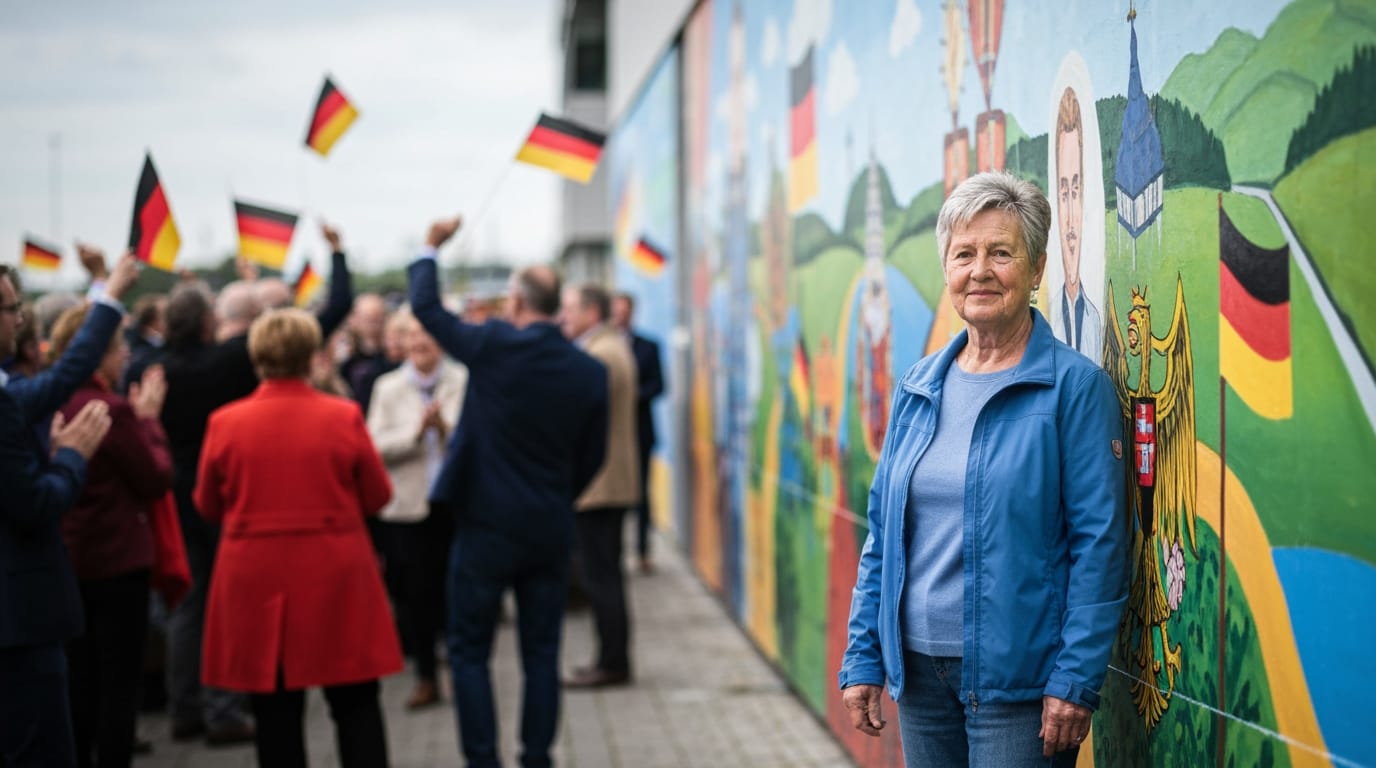
Berlin, Germany – Germany has witnessed a historic surge in the number of individuals acquiring German citizenship, reaching record highs for multiple consecutive years. This unprecedented increase is largely attributed to significant reforms in naturalization laws, which have streamlined the process and eased requirements for long-term residents. The shift marks a pivotal moment for Germany's demographic and social landscape, reflecting evolving integration policies and the growing appeal of German nationality.
Record Numbers Reflect Policy Shifts
The Federal Statistical Office (Destatis) reported a record 332,500 people were granted German citizenship in 2025, marking a 14% increase from the previous year and the fifth consecutive year of rising numbers. This is the first time naturalizations have exceeded 300,000 in a single year since statistics began in 2000. This followed 2024, which saw nearly 292,000 foreign nationals acquire German citizenship, a substantial 46% increase compared to 2023. In 2023, 200,100 individuals became German citizens, representing a 19% rise from 2022 and the highest figure in two decades. The average age of naturalized individuals in 2023 was 29.3 years, significantly younger than Germany's overall population average of 44.6 years.
Legislative Reforms Fuel Naturalization Boom
A primary catalyst for this naturalization boom was the introduction of comprehensive reforms to Germany's citizenship law, which largely came into effect in June 2024. These changes significantly lowered barriers to citizenship. The standard residency requirement for naturalization was reduced from eight years to five years. Furthermore, the reforms largely abolished the long-standing requirement for applicants to renounce their original nationality, making dual citizenship the new standard. This particular change was seen as crucial, encouraging many long-term residents who were previously reluctant to give up their original nationality to apply for German citizenship. Initially, a "fast-track" option allowed those demonstrating exceptional integration achievements to apply after just three years. However, the government moved to abolish this accelerated pathway in October 2025, signaling a re-evaluation of rapid naturalization incentives, though the core reforms of reduced residency and dual citizenship remain.
Diverse Backgrounds Among New Citizens
Among the new German citizens, Syrians consistently represented the largest group. In 2025, Syrians accounted for one in five new citizens, or 65,600 individuals, marking the fifth consecutive year they formed the largest group. This trend is strongly linked to the large influx of Syrian refugees between 2015 and 2016, many of whom have now met the residency and integration requirements for citizenship. Although the number of Syrians naturalizing in 2025 saw a 21% decrease from 2024, this is attributed to many from the initial refugee wave having already obtained citizenship.
Turkish nationals formed the second-largest group, with 34,100 naturalizations in 2025, comprising 10% of the total. Russians followed, accounting for 6% with 19,700 new citizens in 2025. Naturalizations among Russian citizens saw an especially striking surge between 2023 and 2024, with a 551% increase. This sharp rise is likely connected to the ongoing conflict in Ukraine, the resulting EU sanctions, and the enhanced ability for Russians to retain dual citizenship. Significant year-on-year growth was also recorded for Bosnians (up 126% to 8,800), Americans (up 100% to 6,600), and Albanians (up 97% to 6,100) in 2025.
The Allure of German Citizenship
German citizenship offers a multitude of advantages, making it a highly sought-after status. These benefits include the fundamental right to vote in German and European Union elections, unrestricted freedom of movement across EU member states, and expanded professional opportunities, including access to civil service positions. New citizens also gain secure, lifelong residency status, diplomatic protection from German embassies worldwide, and full access to Germany's comprehensive social welfare system. The German passport is widely recognized as one of the most powerful globally, providing visa-free travel to numerous countries.
Integration, Administration, and Future Outlook
While the increase in naturalizations signifies successful integration for many, it has also presented administrative challenges. The higher volume of applications has led to increased processing times, with some cities reporting average waiting periods of 18 months and a backlog of hundreds of thousands of applications in 2024.
The policy shifts have not been without political debate. Some conservative politicians have voiced concerns regarding the rapid granting of voting rights to individuals from diverse cultural and religious backgrounds. The decision to abolish the fast-track naturalization route signals a governmental emphasis on naturalization as a reward for sustained integration rather than merely an incentive for migration.
Looking ahead, German authorities anticipate another potential rise in naturalizations from 2027, when Ukrainians who arrived in Germany after 2022 will begin to meet residency requirements for eligibility. The ongoing evolution of Germany's citizenship policies continues to shape the nation's identity and its place in an increasingly interconnected world.


