Germany Stands Firm Against Offensive War in Iran Conflict Amidst Domestic Calls for Peace
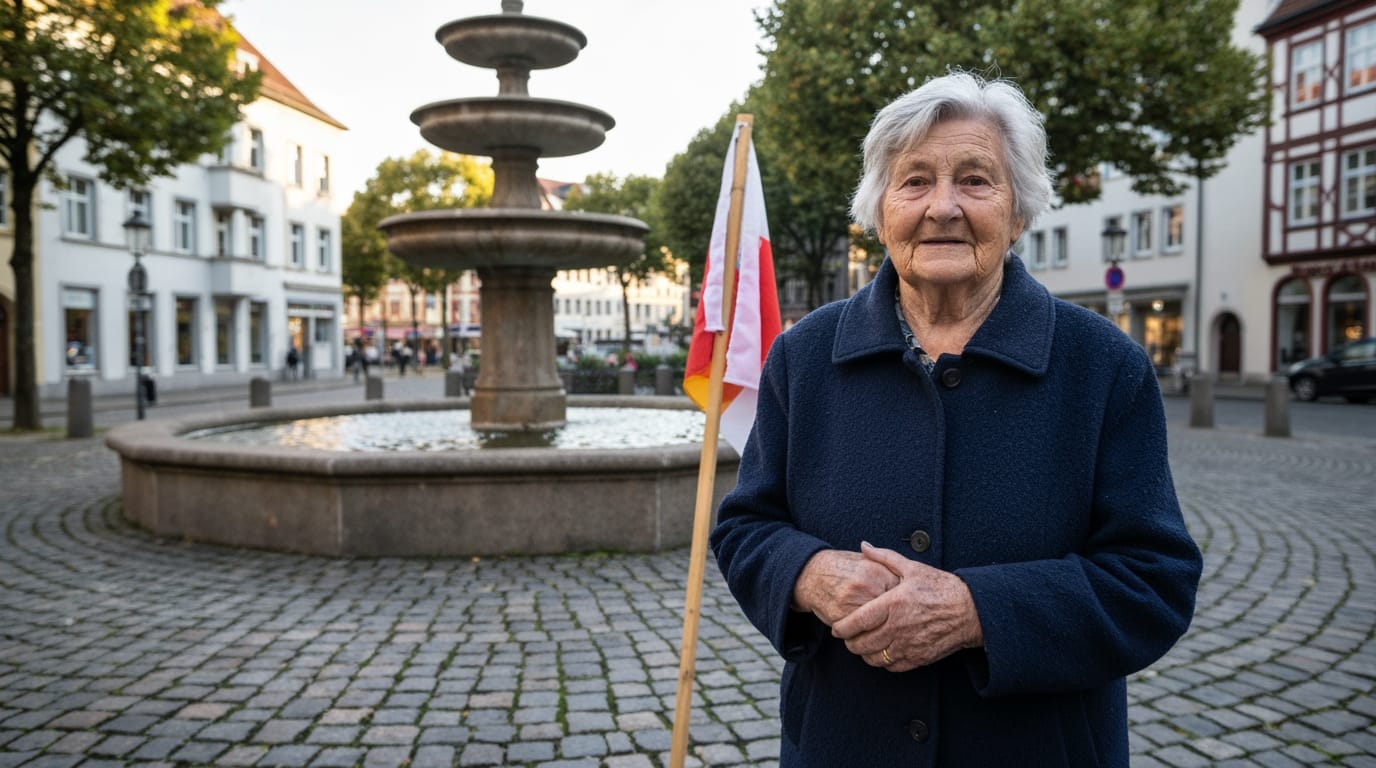
BERLIN – As tensions escalate in the Middle East, Germany has clearly distanced itself from offensive military engagement in the ongoing conflict with Iran, signaling a profound preference for diplomatic solutions and defensive postures. While official statements emphasize non-participation in aggressive actions, a discernible current of public sentiment and political discourse within the nation echoes a strong opposition to war, reflecting Germany's historical and contemporary foreign policy principles.
The German government has iterated that it will not join any offensive military campaign against Iran, including those initiated by the United States and Israel. This resolute stance underscores a broader strategy that prioritizes de-escalation and acknowledges the inherent limitations of military force in resolving complex regional crises. The position articulated by Berlin reflects a nuanced approach to international relations, balancing allied commitments with independent national interests and a deep-seated commitment to peace.
Berlin's Rejection of Offensive Intervention
German officials have unequivocally stated that military involvement in Iran will be strictly limited to defensive measures. Foreign Minister Johann Wadephul, for instance, affirmed that Germany lacks the military resources for offensive participation and has "no intention of participating in any way" in such campaigns. He clarified that while German soldiers deployed in the region would defend themselves if attacked, there would be "no further measures beyond this" from Germany's perspective. This declaration came amidst reports that Berlin was considering military action, which Wadephul promptly refuted, emphasizing defensive actions only.
Echoing this sentiment, Defense Minister Boris Pistorius highlighted the "illusory" nature of believing that Middle East conflicts can be resolved "by military force and unilateral action alone". He stressed the importance of repeatedly conveying this message to Germany's American and Israeli allies. This strong diplomatic messaging underscores Germany's commitment to a cautious and non-interventionist approach, particularly in conflicts with potentially far-reaching consequences.
Furthermore, Germany has explicitly ruled out supporting concrete measures aimed at regime change in Iran, stating that any political transformation must originate from the Iranian people themselves. While maintaining contact with Iranian opposition groups and expressing solidarity with the Iranian populace against what it perceives as an oppressive regime, Berlin affirms that it cannot dictate Iran's political future. This position reinforces Germany's adherence to principles of national sovereignty and non-interference in the internal affairs of other states.
Diplomacy and De-escalation as Core Principles
Germany's foreign policy towards Iran is rooted in a long history of diplomatic engagement, despite significant strains since the 1979 Islamic Revolution. The nation consistently advocates for a peaceful resolution to the Iran crisis, even amidst ongoing U.S. military buildup in the Persian Gulf region. This commitment to diplomacy is evident in the government's efforts to coordinate with EU counterparts and Gulf state officials to discuss regional developments.
While condemning Iranian attacks against various regional actors, including Gulf states and threats to Cyprus, Germany's condemnation is consistently paired with calls for de-escalation and a cessation of hostilities. The emphasis remains on preventing further regional instability rather than contributing to it through military means. The German government, alongside France and the United Kingdom, has also been involved in efforts related to the Joint Comprehensive Plan of Action (JCPoA), triggering snapback mechanisms in response to Iran's violations, demonstrating a multilateral approach to managing the nuclear issue.
Economic relations between Germany and Iran have historically been close, though they significantly decreased due to sanctions following the U.S. withdrawal from the JCPoA. This economic dimension likely plays a role in Germany's preference for stability over conflict, as further escalation could have severe economic repercussions, including a surge in fuel prices, as seen after recent military assaults.
Domestic Pressures and International Alignment Challenges
The government's cautious stance appears to resonate with certain segments of the German public, though public opinion itself is described as "divided" on the path forward in the conflict. Anti-war sentiment is evident, with calls to "Stop the war against Iran!" and protests against conscription framed as resistance to being "cannon fodder" in imperialist wars. These protests suggest a significant portion of the populace is wary of military involvement and views the conflict with skepticism, especially concerning the role of external powers.
Chancellor Friedrich Merz has faced scrutiny for his perceived alignment with the U.S. administration on Iran policy, particularly regarding the need for political change in Iran and his initial remarks downplaying the relevance of "international law classifications" in discussing the conflict. This stance has been met with mixed reactions in German media, with some criticizing it as abandoning Germany's traditional moral certainties and adopting a "Schrödinger international law" policy. However, Merz also expressed hopes for a swift end to the conflict to mitigate economic impacts, such as rising fuel prices in Germany and Europe.
Internationally, Germany's position has put it at odds with some allies. The refusal to allow U.S. forces to use German bases for attacks on Iran, similar to Spain's stance, highlights a divergence in strategic approaches. While the U.S. has criticized such refusals and even hinted at economic sanctions against non-compliant nations, Germany has firmly maintained its autonomy in defining its role in the conflict. This demonstrates a willingness to assert its independent foreign policy, even when faced with pressure from powerful allies.
Conclusion: A Path of Principled Restraint
Germany's approach to the burgeoning Iran conflict is characterized by a strong commitment to principled restraint, emphasizing diplomacy, defensive measures, and non-interference in regime change efforts. This policy is shaped by a confluence of factors: a historical aversion to military adventurism, a pragmatic assessment of the limitations of force, and an awareness of the domestic sentiment leaning towards peace.
While navigating complex geopolitical dynamics and allied expectations, Berlin remains steadfast in its belief that long-term stability in the Middle East cannot be achieved through unilateral military actions. Instead, Germany champions a path of dialogue, multilateral cooperation, and respect for national sovereignty, hoping to foster a future where the Iranian people can determine their destiny free from external military coercion. This consistent stance projects Germany as a voice for caution and a proponent of peaceful resolution in an increasingly volatile global landscape.


