Germany's Childfree Face Higher Costs for Elder Care Amid Demographic Shift

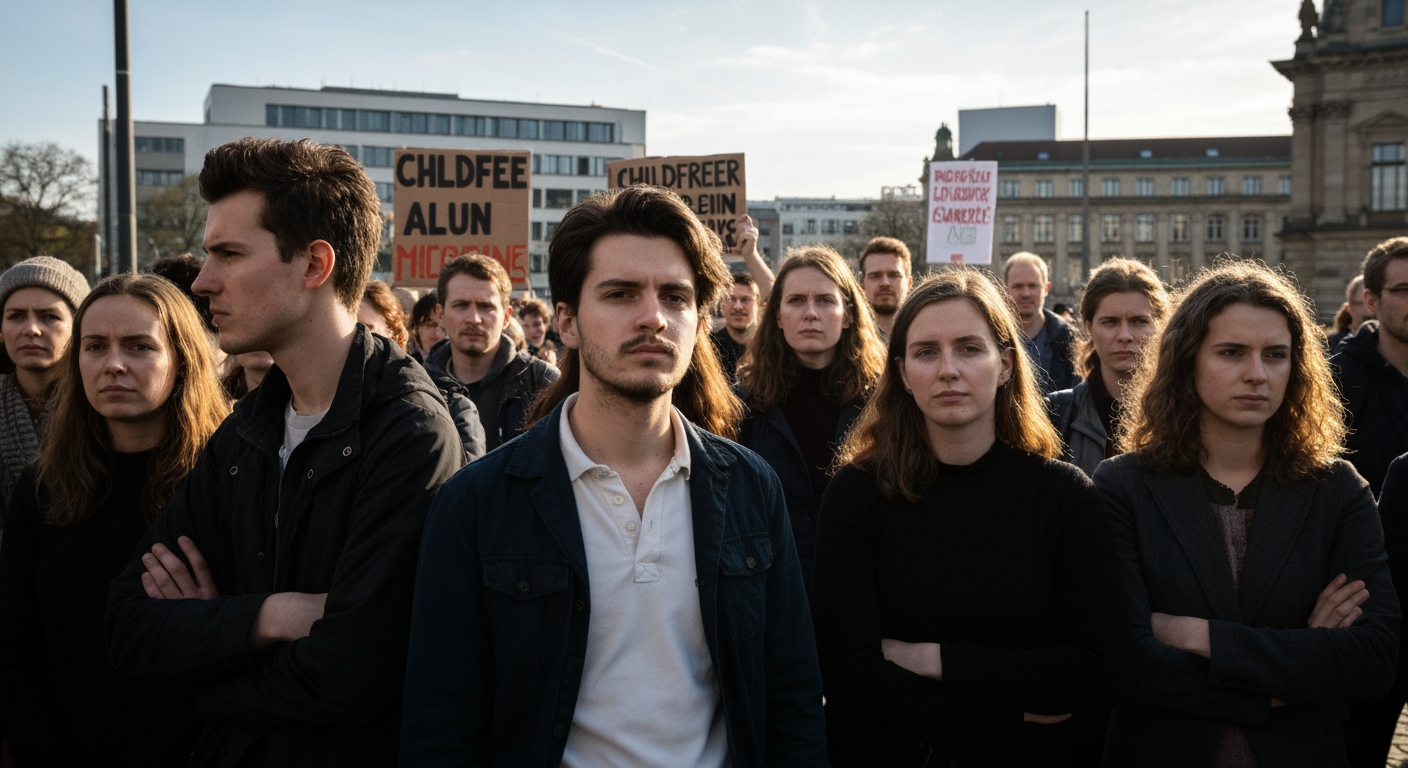
Berlin, Germany – In a continuing effort to shore up its long-term elder care system, Germany has solidified a policy requiring adults without children to contribute a higher percentage of their income to the national long-term care insurance fund. This tiered contribution system, rooted in a "childlessness surcharge" that dates back to 2005, reflects the nation's ongoing struggle with an aging population and the financial sustainability of its social security framework. Recent judicial rulings have not only upheld this differentiation but have also mandated further adjustments to account for the number of children raised, underscoring a deepening societal debate over intergenerational fairness and individual responsibility.
The practice of childfree adults paying a higher rate into Germany's mandatory public long-term care insurance (LTCI) system is not a new development. It originated from a landmark decision by the Federal Constitutional Court in 2001, which deemed it unconstitutional for parents and childless individuals to pay identical contributions. The court's rationale was that parents make a "generative contribution to the functionality of a pay-as-you-go social security system" by raising future contributors and taxpayers. This principle led to the introduction of the Kinderlosenzuschlag, or childlessness surcharge, in 2005. Initially, individuals aged 23 and above without children paid a 0.25 percent premium on their long-term care insurance. This fundamental distinction set the stage for the current system, attempting to balance the immediate financial contributions with the long-term societal investment of raising children.
Over the years, the financial burden on childless individuals has incrementally increased as Germany grapples with its demographic realities. As of January 2022, childless people contribute 3.4 percent of their gross income to long-term care insurance, while parents pay a lower rate of 3.05 percent. This disparity means childfree adults shoulder an additional 0.35 percentage points in contributions. This reform, initiated by the federal government, was designed to stabilize the long-term care system, which faces immense pressure from a shrinking workforce and a growing number of retirees. The system, established in 1995, covers essential services including nursing home care, home care, and outpatient support, and is funded predominantly through payroll taxes. Health Minister Jens Spahn defended the increased charges, asserting that individuals without children inherently face a lower financial burden compared to those raising families, thus justifying their higher contribution to communal care.
A pivotal development occurred in May 2022 when the Federal Constitutional Court revisited the issue. While the court upheld the legitimacy of the childlessness surcharge, it introduced a significant new directive: the number of children a parent has must now be factored into their long-term care insurance contributions. The ruling found it unconstitutional that all parents paid the same rate, regardless of how many children they had, arguing that parents with more children make a proportionally greater "generational contribution". The court mandated that the legislature amend the statutory framework by July 31, 2023, to introduce a staggered contribution system that reduces rates for parents based on the number of children. This latest ruling is poised to further widen the financial gap between childless adults and parents, particularly those with multiple children, placing an even greater emphasis on family size as a factor in social solidarity.
This ongoing policy has sparked considerable debate across German society. Proponents, including some political figures, argue that the higher contributions for childless adults are a matter of fairness and a necessary mechanism to secure the future of the social security system. They contend that parents undertake significant financial and personal sacrifices to raise the next generation of workers and taxpayers who will ultimately support the elderly care system. However, critics argue that the surcharge penalizes individuals for a deeply personal life decision, especially those who are involuntarily childless. Labor Minister Hubertus Heil notably dismissed earlier calls for similar measures in other social insurance schemes as a "weird idea" aimed at punishing childless people. Organizations advocating for childfree individuals express concern about the principle of being financially penalized for personal choices, even while acknowledging the financial benefits parents receive through tax breaks and other support systems. Despite the emotional nature of the debate, some German citizens express acceptance, viewing it as an inherent part of a robust social safety net designed to protect all citizens.
Germany's approach to financing elder care through differentiated contributions highlights a complex societal compact in the face of an aging demographic landscape. The legislative and judicial endorsements of the childlessness surcharge, coupled with the latest mandate to factor in the number of children per parent, signal a clear direction: the financial burden of supporting the elderly is increasingly being distributed based on generational contributions. As the policy continues to evolve, it serves as a prominent example of how a developed nation is attempting to navigate the intricate balance between social solidarity, individual liberty, and the pressing economic realities of demographic change. The implications of these policies extend beyond Germany's borders, offering a case study for other nations grappling with similar challenges in funding their own long-term care systems.
Related Articles

Ratko Mladić, "Butcher of Bosnia" and Convicted War Criminal, Dies at 84
THE HAGUE, Netherlands – Ratko Mladić, the former Bosnian Serb military commander known as the "Butcher of Bosnia" and convicted of genocide, war crimes, and crimes against humanity, has died at the age of 84. Serbian...

Long-Awaited 9/11 Mastermind Trial Set for 2028, Decades After Attacks
GUANTANAMO BAY, Cuba – Nearly a quarter-century after the devastating terror attacks of September 11, 2001, a military judge has finally set a trial date for Khalid Sheikh Mohammed, the alleged mastermind behind the...