Germany's Complex Stance on Syrian Refugees: A Vital Role for Doctors Amid Repatriation Debates
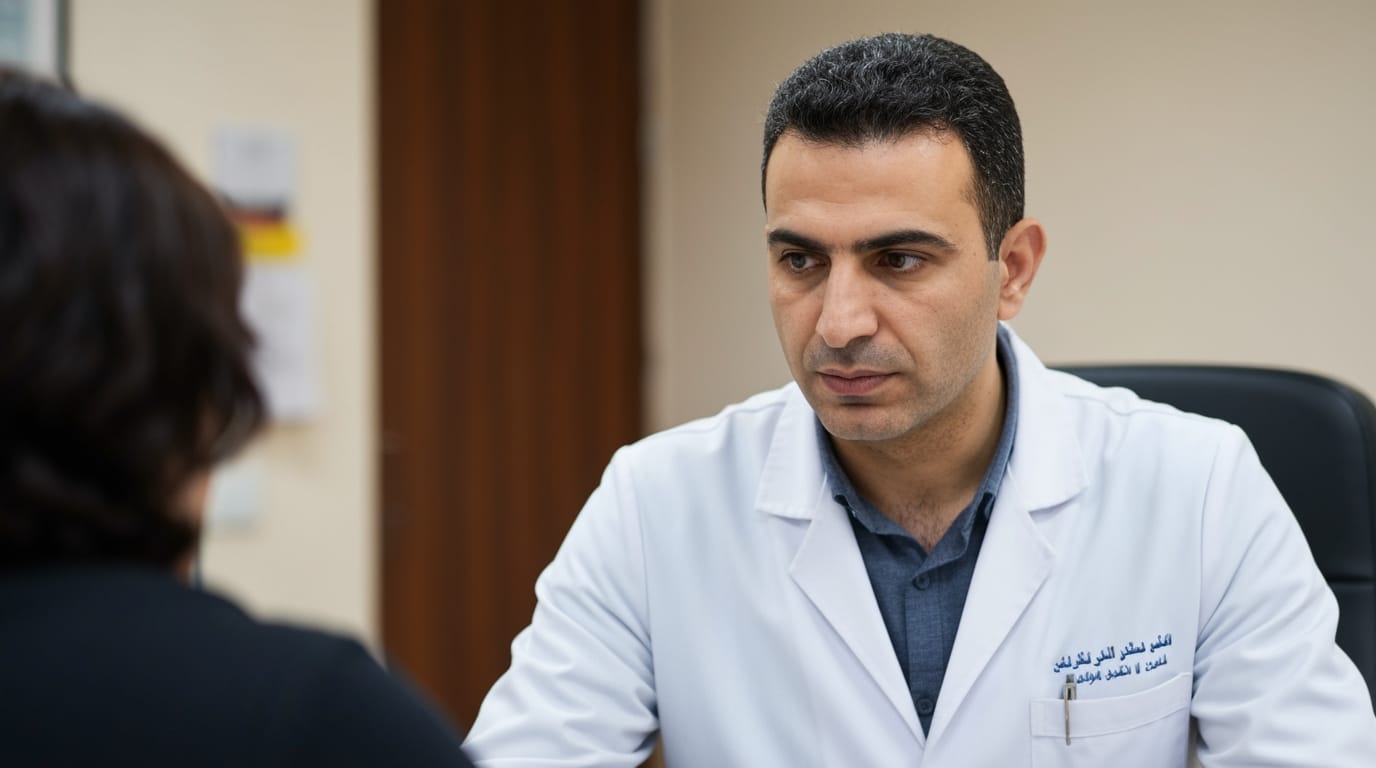
BERLIN – A recent political declaration regarding the potential return of a significant portion of Syrian refugees from Germany has ignited widespread debate, drawing a sharp contrast with the indispensable role thousands of Syrian doctors play in the country's overstretched healthcare system. While German Chancellor Friedrich Merz recently articulated a vision, reportedly shared by the Syrian President, for up to 80% of Syrian refugees to voluntarily return home over the next three years, the practical realities on the ground, particularly concerning skilled professionals, present a far more nuanced picture. This comes as Germany faces a persistent shortage of medical personnel, making integrated Syrian doctors a critical asset to its public health infrastructure.
The "80% Return" Rhetoric vs. Reality
The figure of "80% of Syrians currently staying in Germany" potentially returning to their homeland over the next three years emerged following discussions between German Chancellor Friedrich Merz and Syrian President Ahmed al-Sharaa. Merz reportedly clarified that this ambitious target originated from the Syrian President and focused primarily on encouraging voluntary returns, especially for individuals without valid residency permits or those with criminal records. The rationale behind such a large-scale return is often framed by proponents as part of Syria's reconstruction efforts, with discussions around German investment and job creation in Syria to facilitate this process.
However, this political rhetoric has been met with skepticism and concern. Critics, including those from within Germany's political spectrum, warn that such statements could fuel "fantasies of mass deportation" and contribute to an atmosphere of hostility against migrants. The feasibility of repatriating such a large number of individuals in a short timeframe is also questioned, given existing legal and administrative hurdles in Germany and the dire conditions still prevailing in many parts of Syria.
Syrian Doctors: An Indispensable Pillar of German Healthcare
Amidst the political discussions surrounding repatriation, the vital contribution of Syrian medical professionals to German society stands out. Germany has been grappling with a significant shortage of doctors, with conservative estimates suggesting a shortfall of 15,000, potentially rising to 111,000 by 2030. Migrant skilled workers are crucial in mitigating these deficits, and Syrian doctors have emerged as a cornerstone of this effort.
Currently, thousands of Syrian doctors are actively practicing in Germany, with estimates ranging from 5,700 to over 7,000. They represent the largest group of foreign doctors in the country, with approximately 10,000 Syrians reportedly working in German hospitals alone. German Health Minister Karl Lauterbach has unequivocally stated that these doctors are "indispensable" to the nation's healthcare. Many fill critical gaps, particularly in rural areas that have been underserved for decades.
The integration process for these professionals, while challenging due to language and cultural barriers, and complex bureaucratic procedures for diploma recognition across federal states, has largely been successful. Programs and policies are in place to attract and integrate foreign skilled workers, including medical professionals, into the German workforce, recognizing the country's economic dependence on immigration to counteract an aging population and declining domestic workforce.
Deportation Policies Focus on Specific Categories
Germany has indeed adopted a firmer stance on migration in recent years, leading to an increase in deportations. In 2024, approximately 20,084 to 20,000 individuals were deported, marking a 20-25% increase compared to 2023. These efforts are primarily directed at individuals whose asylum applications have been rejected, those lacking valid residence permits, or those who have committed crimes. For instance, the Interior Ministry announced plans to initiate deportations of Syrian nationals with criminal records in July 2025.
However, this intensified focus on removing individuals without legal standing or those who pose a threat is distinct from any broad policy targeting integrated and contributing members of society. Experts and government officials acknowledge that forced mass returns of hundreds of thousands of Syrians would be legally and administratively unfeasible under the German system. The discourse around "repatriation" is therefore largely centered on facilitating voluntary returns for specific groups, rather than forcibly expelling those who have established lives and careers in Germany.
The Potential Impact of Departures
The prospect of large numbers of Syrian doctors leaving Germany raises significant concerns within the healthcare sector. Representatives from the German medical community have issued warnings about potential shortages, emphasizing that if even a portion of these doctors were to leave, Germany's healthcare system would suffer "significantly". Hospital operators and politicians recognize the potential for "whole areas in the health sector" to be severely impacted, especially since many Syrian doctors work in smaller groups in specific locations, whose sudden departure could lead to temporary local closures.
The human element of this debate is also profound. Many Syrian doctors, having found safety and built new lives in Germany, express reluctance to return to a country still facing immense challenges and uncertain stability. For them, Germany has become a new home where they contribute their skills, raise families, and find professional fulfillment, despite facing challenges like discrimination and slow integration processes. The possibility of being pressured to return against their will, particularly when their skills are critically needed in Germany, creates a sense of apprehension.
Navigating a Complex Future
The ongoing discussion around Syrian refugees in Germany highlights a complex intersection of political rhetoric, humanitarian considerations, and economic realities. While there is a clear political push to manage irregular migration and encourage returns to Syria, the German state simultaneously relies heavily on the skilled labor of integrated immigrants, particularly in critical sectors like healthcare.
The "80% return" figure, originating from a political discussion about voluntary repatriation, does not signal an intent to forcibly remove the vast majority of Syrians, especially those who are well-integrated and contributing significantly to the German economy, such as the thousands of indispensable Syrian doctors. The challenge for Germany lies in balancing its migration control efforts with the imperative to retain and further integrate the skilled professionals who are vital to its economic and social well-being, ensuring that policy decisions reflect these nuanced realities rather than broad, potentially misleading, generalizations.


