Mounting Evidence Points to Systematic Abduction and Torture of Ukrainian Civilians in Russian Custody
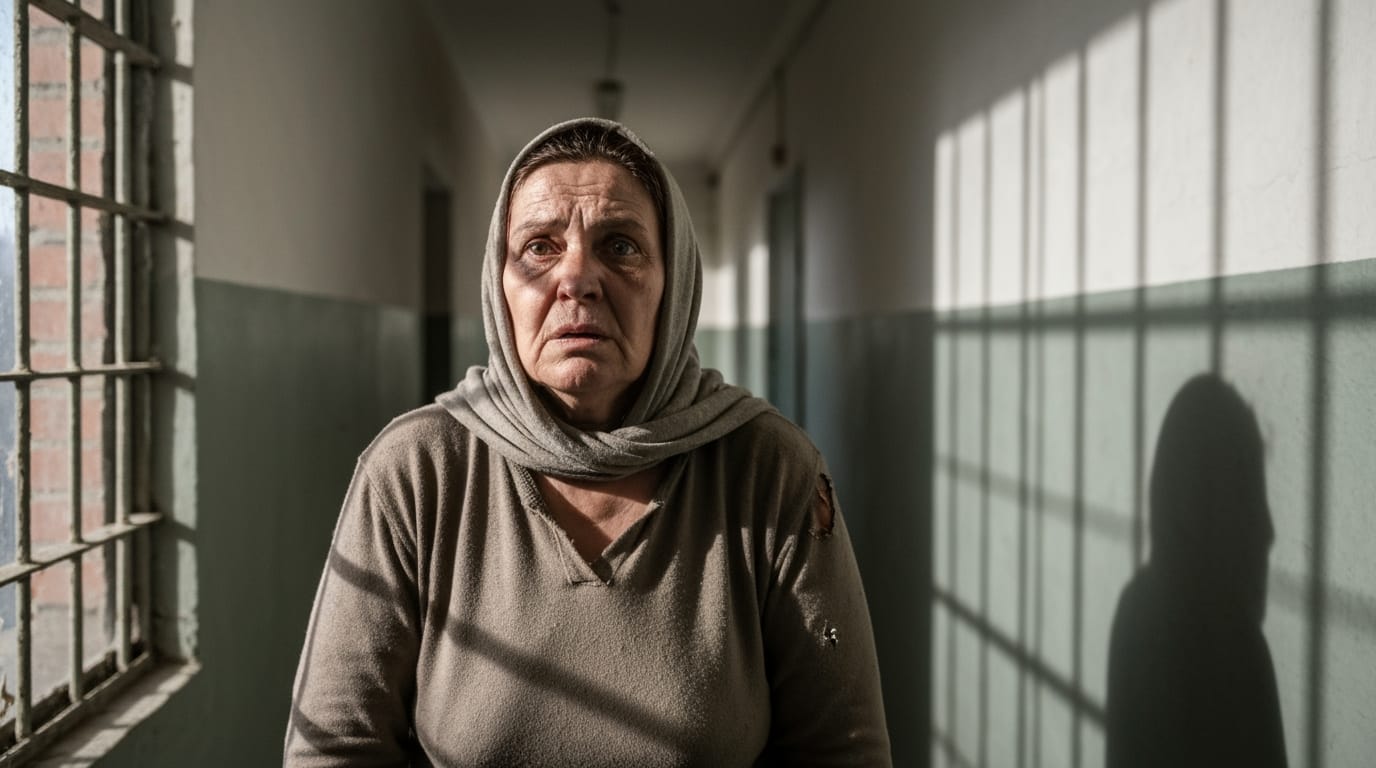
GENEVA – International human rights organizations and United Nations bodies have amassed extensive evidence indicating a widespread and systematic pattern of abduction, incommunicado detention, and torture of Ukrainian civilians by Russian forces since the full-scale invasion began in February 2022. These grave violations, meticulously documented across numerous reports, reportedly constitute war crimes and potentially crimes against humanity, painting a chilling picture of human suffering and a deliberate policy to terrorize and silence Ukrainian populations. Thousands of non-combatants, from journalists to local officials and ordinary citizens, have been forcibly disappeared into a network of official and unofficial detention facilities in occupied Ukrainian territories and within Russia itself, where they are subjected to brutal treatment and denied fundamental legal protections.
The Shadowy Scale of Abductions and Enforced Disappearances
The scale of civilian detentions by Russian authorities remains opaque, yet reports suggest thousands of Ukrainians have been deprived of their liberty. Estimates from organizations like the Center for Civil Liberties and the Ukrainian Prosecutor General's Office place the number of detained civilians since February 2022 at approximately 7,000 to 16,000. The Ukrainian Unified Register of Persons Missing Under Special Circumstances, as of July 2024, lists around 42,000 missing Ukrainians, a figure that encompasses both military personnel and civilians, highlighting the vast number of individuals whose fates are unknown. Many of these individuals are held incommunicado, meaning their families and international monitoring bodies are systematically denied any information regarding their whereabouts or status. This deliberate lack of transparency fosters an environment where abuses can occur with impunity, leaving families in agonizing uncertainty.
Civilians have reportedly been seized from their homes, streets, and workplaces, often without clear charges or legal basis. They are then transferred to a diverse array of detention sites, which include recognized pre-trial detention centers, prisons, and penal colonies, as well as unofficial locations such as basements and warehouses in occupied regions. These detentions frequently disregard legal and procedural safeguards, effectively placing these individuals outside the protection of the law. The motivations behind these widespread abductions appear to be varied, ranging from perceived anti-Russian sentiments to alleged ties with Ukrainian forces, or simply to instill fear and control within occupied populations.
A System of Brutality: The Pervasiveness of Torture
Consistent and harrowing accounts from released detainees underscore a systematic and widespread pattern of torture and ill-treatment in Russian custody. Reports from the UN Human Rights Office (OHCHR), Amnesty International, and the Independent International Commission of Inquiry on Ukraine have extensively documented these abuses. A significant majority of released civilian detainees – between 91% and 92% – have reported being subjected to torture. This figure rises to 95% for released Ukrainian prisoners of war interviewed by the UN Human Rights Monitoring Mission in Ukraine.
The methods of torture described are brutal and varied. They include severe beatings, often inflicted with objects such as stun guns, special sticks, or even baseball bats, sometimes targeting the same body parts repeatedly. Electric shocks, including to sensitive areas like the genitals, are frequently reported. Other forms of torment involve mock executions, prolonged stress positions, sleep deprivation, and threats of death or violence against the detainees or their loved ones. Sexual violence has also been documented as a form of torture, predominantly against male detainees. Beyond physical abuse, detainees often face extremely poor detention conditions, characterized by inadequate nutrition and a critical lack of medical care, leading to severe health deterioration and, in some documented cases, death.
Human rights experts assert that this systemic ill-treatment is not a series of isolated incidents but rather a deliberate policy designed to "dehumanize and silence" Ukrainian detainees. Evidence suggests a coordinated state policy of torture, with testimonies pointing to the involvement of high-ranking Russian authorities who either ordered, tolerated, or failed to prevent these brutal practices. The consistency of these violent practices across different detention centers in both occupied Ukraine and Russia reinforces the conclusion that torture is a common and accepted method, carried out with a pervasive sense of impunity.
Devastating Human Cost and Calls for Accountability
The ramifications of these abductions and torture extend far beyond the immediate suffering of the detainees. Families are left in a constant state of anguish, with little to no information about their loved ones, many of whom simply vanish into the Russian detention system. The lack of accountability for these actions means that those responsible operate with apparent impunity, perpetuating a cycle of abuse. Deaths in custody have been attributed to the combination of torture, ill-treatment, dire living conditions, and insufficient medical attention.
From a legal standpoint, the actions of Russian authorities represent flagrant violations of international humanitarian law, particularly the Geneva Conventions, which strictly prohibit the arbitrary arrest and ill-treatment of civilians in armed conflict. The widespread and systematic nature of these abuses has led multiple international bodies to conclude they constitute war crimes, with the Independent International Commission of Inquiry on Ukraine further declaring the torture of Ukrainian civilians and prisoners of war as a crime against humanity.
International organizations, including the UN and Amnesty International, have consistently called for an end to these violations and for accountability for those responsible. The UN Human Rights Chief, Volker Türk, has emphasized the critical need to prioritize the human rights of civilian detainees in any future peace negotiations. The International Criminal Court has also initiated investigations into potential war crimes in Ukraine, including those related to the treatment of detainees. However, Russia continues to deny international organizations access to these detainees, obstructing efforts to monitor conditions and secure their release. While Ukraine adheres to the Geneva Conventions and refrains from exchanging civilians for soldiers, the detention of non-combatants remains a significant challenge, with calls for global cooperation to ensure justice and the safe return of all unlawfully held individuals.
Conclusion: An Urgent Call for Global Action
The extensive and consistent reporting from multiple independent bodies paints a grim picture of the systematic abduction and torture of Ukrainian civilians in Russian custody. These actions are not isolated incidents but rather appear to be a deliberate and coordinated policy, inflicting immense suffering and violating the most fundamental tenets of international law. The human cost is immeasurable, with thousands of individuals enduring unspeakable brutality and their families living in a prolonged state of agony. As evidence continues to mount, the international community faces an urgent imperative to intensify its efforts to document these crimes, demand accountability from Russian authorities, ensure access for human rights monitors, and secure the immediate and unconditional release of all unlawfully detained Ukrainian civilians. The protection of these vulnerable individuals and the pursuit of justice for the atrocities committed are essential steps toward upholding human dignity and the rule of law in the face of ongoing conflict.


