Russia Labels Nobel-Winning Human Rights Group Memorial as 'Extremist,' Escalating Crackdown on Dissent
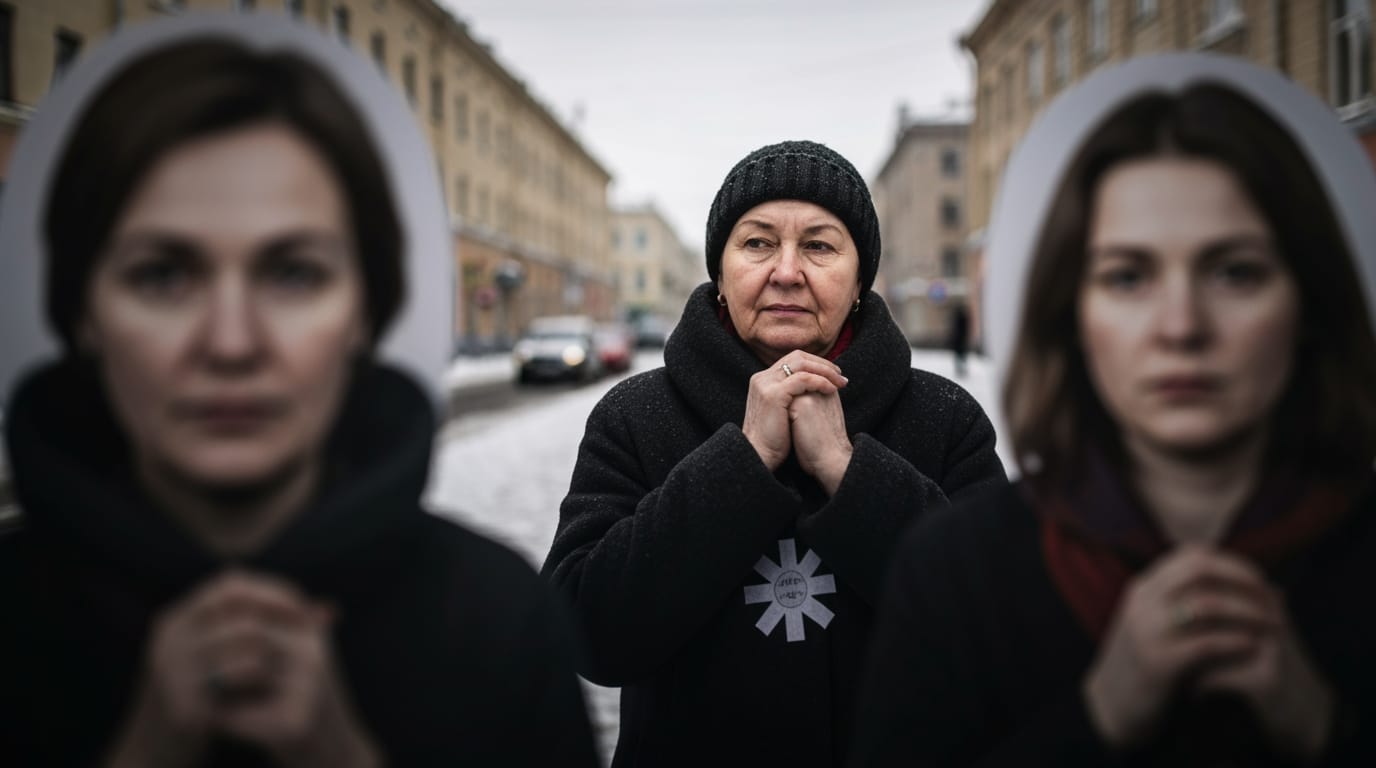
MOSCOW, Russia – In a significant blow to civil society and human rights advocacy within Russia, the nation's Supreme Court on April 9, 2026, officially designated "International Public Movement Memorial" as an "extremist" organization. This decision, following a closed-door hearing, effectively criminalizes the activities of the internationally renowned human rights group and places its supporters, both past and present, at risk of severe legal repercussions, including lengthy prison sentences. The ruling marks a dramatic escalation in the Kremlin's ongoing efforts to suppress independent voices and dismantle organizations dedicated to documenting historical and contemporary abuses.
The Escalation of Repression: A Legal Onslaught
The Supreme Court's declaration of Memorial as "extremist" did not emerge in isolation but represents the culmination of a years-long campaign by Russian authorities against the organization. The legal offensive has systematically employed various repressive laws designed to stifle dissent and restrict civic space.
Prior to this latest ruling, two of Memorial's key legal entities, Memorial International and the Memorial Human Rights Center, were ordered liquidated in December 2021, accused of repeatedly violating Russia's "foreign agent" legislation and allegedly justifying terrorism and extremism. This "foreign agent" label, initially applied to Memorial International in 2016 and its Human Rights Centre in 2014, imposed onerous reporting requirements and carried a pejorative connotation, making it difficult for organizations to operate. The European Court of Human Rights subsequently ruled in 2022 that Russia had violated the right to association concerning the dissolution of these Memorial organizations.
The pressure intensified in February 2026, when the Prosecutor General's Office designated "Zukunft Memorial" and "International Memorial Association" as "undesirable" organizations, banning their activities within Russia and threatening prosecution for anyone engaging with them domestically or overseas. In a further demonstration of the authorities' resolve, Oleg Orlov, a prominent co-chair of Memorial, was sentenced to two years in prison in February 2024 for "repeatedly discrediting" the Russian military.
The Supreme Court justified its recent ban by claiming Memorial's activities are "markedly anti-Russian," designed to "erode historical, cultural, spiritual and moral values," and undermine the "fundamental pillars of Russian statehood." The Justice Ministry further asserted that Memorial "disregards" court rulings by including individuals convicted of participation in terrorist organizations on its list of political prisoners. Memorial, however, views these accusations as politically motivated and the proceedings as "unlawful and unfounded."
Memorial's Enduring Legacy: Documenting Truth for Decades
Memorial is recognized globally as one of Russia's oldest and most respected human rights organizations, having been founded in 1987 during the final years of the Soviet Union. Its initial mission was to preserve the memory of victims of Soviet-era political repression, particularly under Joseph Stalin's regime, and to account for the abuses and excesses of the communist era. Among its founders was the Nobel Peace Prize laureate Andrei Sakharov.
Over the decades, Memorial expanded its scope beyond historical documentation to become a vital advocate for human rights in contemporary Russia. The organization documented human rights violations in various conflict zones, including the North Caucasus and Chechnya, provided legal and humanitarian assistance to refugees, and compiled extensive lists of political prisoners. Its work provided crucial support to those whose rights were violated by the Russian state, offering legal aid and information to political prisoners, migrants, and other vulnerable groups.
In recognition of its tireless efforts, Memorial was awarded the Nobel Peace Prize in 2022, sharing the honor with Belarusian human rights defender Ales Bialiatski and the Ukrainian Center for Civil Liberties. This award came less than a year after Moscow launched its full-scale invasion of Ukraine, underscoring the international community's recognition of Memorial's critical role in upholding democratic values and human dignity.
Chilling Effect: Implications for Russian Civil Society
The "extremist" designation carries severe legal implications for Memorial and anyone associated with it. The ban criminalizes any engagement with the organization's activities, exposing individuals to the threat of lengthy prison sentences. Individuals suspected of involvement can be added to a nationwide "list of extremists," leading to frozen bank accounts and significant restrictions on their financial lives. Even liking or sharing Memorial's social media content or providing financial support could be prosecuted as a criminal act.
The ruling effectively outlaws human rights work in Russia, as emphasized by international observers. In response to the designation, Memorial's Human Rights Center announced its decision to cease all direct operations within Russia to protect its staff and volunteers from the state's "repressive apparatus." The organization has urged its supporters in Russia to refrain from donations or online support to avoid government attention, signaling the profound chilling effect this ruling is expected to have.
This action against Memorial is part of a broader pattern where Russian authorities have intensified their use of vaguely worded anti-terrorism and anti-extremism laws to target dissent. Amnesty International noted a disturbing escalation in the abuse of such legislation since the beginning of the full-scale invasion of Ukraine, with these laws being instrumentalized to stifle opposition and instill fear.
International Condemnation and Resilience
The international community has widely condemned the Russian Supreme Court's decision. Human Rights Watch characterized the move as a "dramatic escalation of the Kremlin's efforts to suppress human rights work," noting that it "essentially outlaws human rights work." Amnesty International called the decision "outrageous" and a criminalization of human rights work itself, urging Russian authorities to immediately reverse it.
United Nations experts have called the Ministry of Justice's legal actions a "deliberate and calculated strategy to spread fear among the Russian people and deprive them from independent information, human rights defense, advocacy and legal assistance." The EU's delegation to Russia branded the ruling a "politically motivated blow." In a show of international solidarity, diplomats from France, Germany, Sweden, and the Czech Republic reportedly attended the closed-door hearing. The Norwegian Nobel Committee, ahead of the ruling, expressed concern that such a decision would criminalize all of Memorial's activities, putting supporters at risk.
Despite the severe setbacks and the ongoing pressure, Memorial has declared its resolve to continue its mission from abroad. Its members founded an international Memorial association in Geneva in 2023, demonstrating a determination to uphold the legacy of documenting repression and advocating for human rights, even as the landscape for independent civil society within Russia becomes increasingly perilous.
Conclusion: A Deepening Shadow Over Freedoms
The designation of Memorial, a Nobel Peace Prize laureate and a cornerstone of Russian civil society, as an "extremist" organization signifies a profound deterioration of fundamental freedoms in Russia. This latest action consolidates the state's control over historical narratives and further isolates citizens from independent oversight and legal assistance regarding human rights abuses. The international outcry underscores the global recognition of Memorial's invaluable contributions and the alarming trajectory of human rights and civil liberties in Russia. The decision not only targets one organization but casts a deepening shadow over the possibility of independent human rights work within the country, forcing vital advocacy efforts into exile and criminalizing basic acts of remembrance and truth-telling for those who remain.


