Germany's Critical Quest: Foreign Minister Confronts China on Rare Earth Dependency
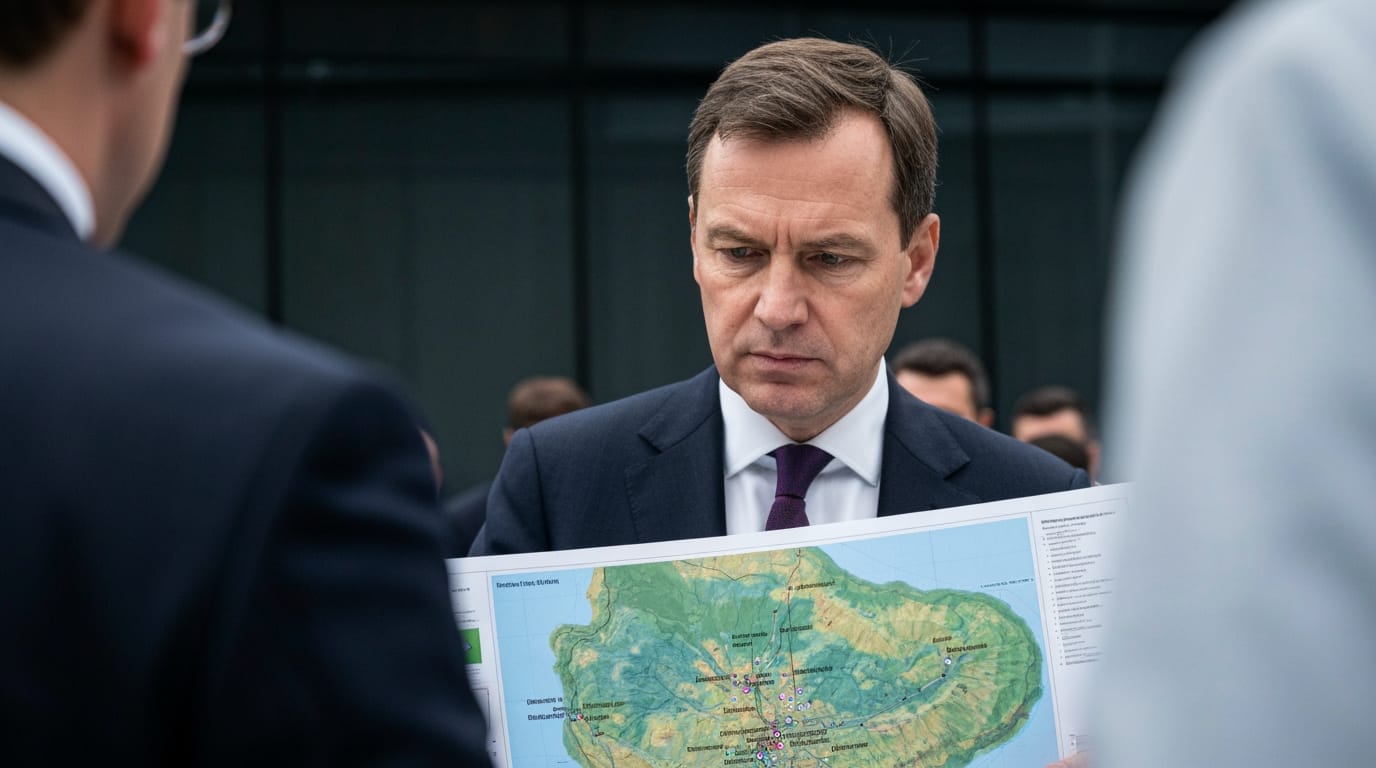
Berlin is embarking on a strategic mission to secure its vital access to rare earth elements, a move underscored by German Foreign Minister Johann Wadephul's recent high-stakes visit to Beijing. The trip, which took place from December 8-9, 2025, positioned critical raw materials, particularly rare earths, at the forefront of diplomatic discussions, highlighting Germany's urgent need to de-risk its supply chains from an increasingly assertive China. As Europe's economic powerhouse navigates a complex geopolitical landscape, the pursuit of reliable rare earth supplies is not merely an economic imperative but a cornerstone of its industrial future and energy transition.
The Industrial Lifeline at Risk
Rare earth elements are indispensable to Germany's advanced manufacturing sector, powering everything from electric vehicles and wind turbines to sophisticated electronics and defense technologies. These 17 elements, including neodymium and dysprosium, are crucial for the magnets used in these key industries, making their secure supply paramount for Germany's industrial competitiveness and its ambitious green transition goals. However, this critical dependency exposes a significant vulnerability: China's near-monopoly over the global rare earth market. In 2023, China accounted for over 69% of global rare earth production, a figure that remained high in 2024. Beyond mining, China's dominance extends to processing, refining, and the production of rare earth magnets, controlling approximately 90% of global processing capacity and 92% of magnet production. This comprehensive control over the entire value chain grants Beijing considerable strategic leverage, a reality that has prompted concerns in Berlin about potential disruptions and weaponization of trade. Recent Chinese export controls on rare earths have already affected German manufacturers, intensifying these anxieties.
A Calculated Pivot: Germany's De-Risking Strategy
Germany's heightened focus on rare earths stems from a painful lesson learned from its past over-reliance on Russian energy imports. Foreign Minister Wadephul, along with other German officials, has repeatedly emphasized the determination to avoid repeating such strategic mistakes, asserting that economic security is now intertwined with national security. This understanding has fueled a deliberate "de-risking" strategy, aiming to reduce Germany's, and indeed Europe's, significant dependence on single suppliers, particularly China. The European Union's Critical Raw Materials Act (CRMA), enacted in 2024, mandates that by 2030, 40% of processing and 25% of recycling of critical materials should occur within Europe. Complementing this, Germany has established its own Raw Material Fund, a €1 billion initiative (valid until 2028) aimed at co-funding domestic and international projects across the mining, processing, and recycling spectrum of critical raw materials. These policies reflect a multi-faceted approach to building resilience and ensuring a stable supply for the future.
Diplomacy Under Pressure: Discussions in Beijing
Foreign Minister Wadephul's discussions in Beijing were pivotal in this de-risking effort. During his meetings with Chinese counterparts, including Commerce Minister Wang Wentao and Foreign Minister Wang Yi, Wadephul directly addressed the critical issues of rare earths and steel, seeking to enhance the security and reliability of supply chains. German officials described the talks as constructive, particularly in light of China's recent introduction of a general licensing framework for rare earth exports, effective December 1, 2025. This new system requires European companies to submit detailed applications demonstrating end-use purposes, with processing timelines reduced to 30-45 days. While a shift from previous restrictive measures, German calls for immediate, general export licenses for rare earth minerals were not fully met, indicating ongoing challenges. Wadephul explicitly stated that "uncertainty" in these areas needed to be eliminated, highlighting the German industry's need for predictability and security in international trade. The visit also served as a platform for Germany to voice concerns over broader trade restrictions and their impact on German and European companies.
Beyond China: Forging New Supply Lines and Domestic Strength
Germany's strategy for raw material security extends beyond diplomatic engagement with China. A core pillar involves diversifying sourcing through strategic partnerships with other mineral-rich nations. Countries like Australia and Canada are key targets for such collaborations, with the EU and Germany actively exploring agreements and joint ventures in critical minerals. For instance, a €750 million EU-Australia critical minerals agreement is set to begin in early 2026, alongside Canadian rare earth processing joint ventures worth €650 million. Germany also aims to reduce the "risky detour" that much of Australia's lithium takes to be processed in China, seeking direct supply routes. Concurrently, there is a strong push to bolster domestic processing and recycling capabilities within Europe. Initiatives like the HARMONY project, a €3 billion EU-funded endeavor, aim to create closed-loop recycling systems for rare earth magnets by 2028. Furthermore, Germany is investing in research and development to optimize complex recycling processes and promote the use of secondary raw materials, aiming to significantly increase recycling rates. The exploration of domestic lithium deposits, such as the Zinnwald project in Saxony, also underscores Germany's commitment to enhancing its self-sufficiency where possible, though scaling these efforts will take time.
Conclusion
The German Foreign Minister's visit to China underscores a pivotal moment in Germany's economic and foreign policy. The nation's industrial future, its leadership in green technologies, and its strategic autonomy are increasingly reliant on a secure and diversified supply of rare earths. By actively pursuing de-risking strategies, forging new international partnerships, and investing in domestic recycling and processing, Germany aims to navigate the complexities of global raw material markets. While economic engagement with China remains crucial, Berlin's evolving strategy reflects a determined effort to balance cooperation with the necessity of reducing critical dependencies, safeguarding its industries, and ensuring its long-term resilience in a rapidly changing world.


