Germany's Economic Slump Shows Signs of Easing, but Hurdles Remain
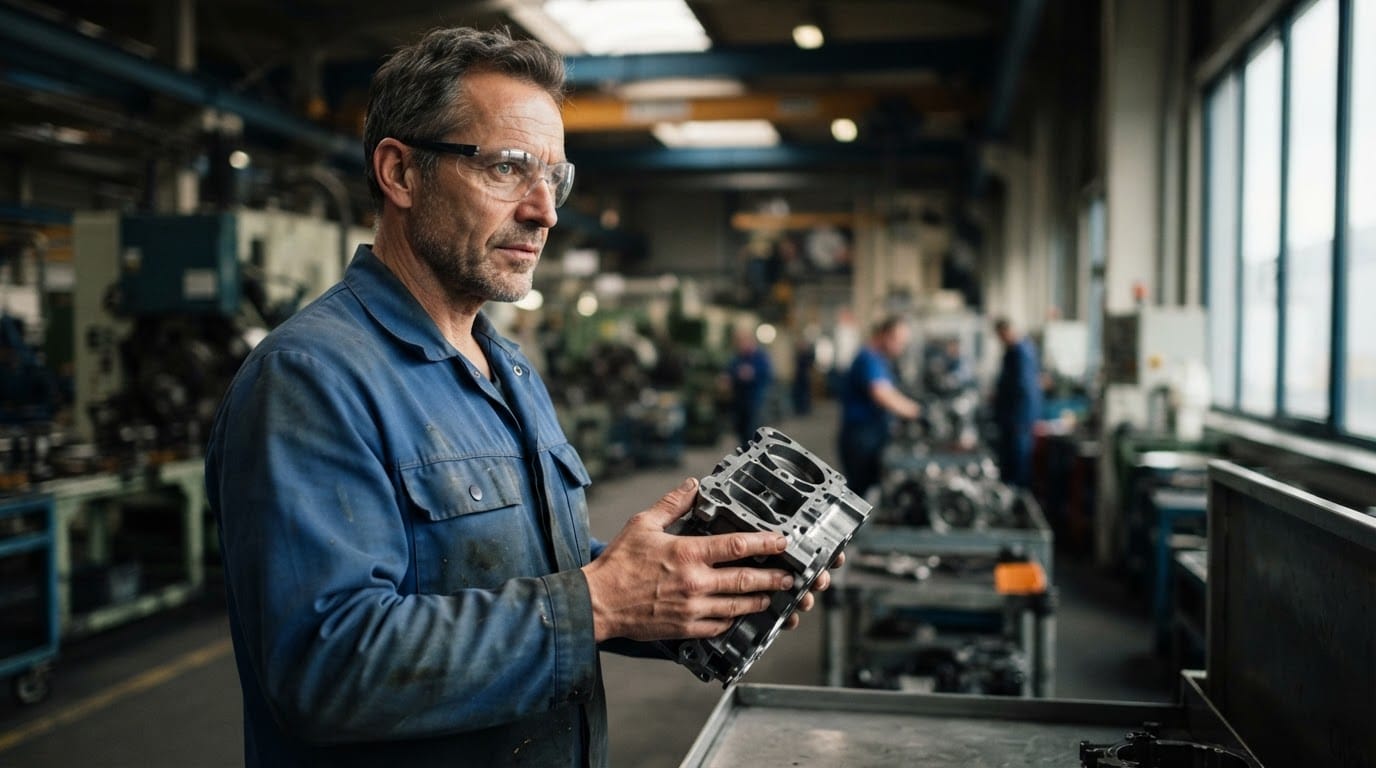
BERLIN — Europe's largest economy is beginning to stir after years of sluggish performance, offering cautious hope that Germany's protracted downturn has finally reached a turning point. Following two consecutive years of recession and months of near-zero momentum, recent data show economic output inching forward, led by increased government outlays and a fragile rebound in industrial orders. Yet while headline indicators suggest the acute contraction has ceased, persistent structural headwinds continue to temper expectations for a rapid or robust revival.
The downturn that took hold following the pandemic and the disruption of European energy markets marked Germany's most severe period of stagnation in modern history. Now, as macroeconomic data stabilize, policymakers and business leaders are grappling with whether the latest upward tick represents a true structural turnaround or merely a temporary reprieve fueled by state intervention.
The Anatomy of a Lengthy Downturn
Germany's recent economic troubles run deeper than standard business cycle fluctuations. The country recorded back-to-back annual contractions in output, contracting 0.7% and 0.5% in consecutive years, followed by marginal gains that struggled to exceed 0.2% to 0.4%. The weakness followed decades of reliance on inexpensive Russian energy imports, low sovereign borrowing, and an export-driven manufacturing base heavily dependent on Chinese demand.
The sudden cut-off of pipeline gas supplies following the war in Ukraine drove domestic electricity and fuel prices to historic peaks. Energy-intensive industries such as chemicals, metallurgy, and basic materials reduced production or shifted capital spending abroad. Concurrently, global central banks raised interest rates to combat high inflation, hitting Germany's residential construction sector with elevated borrowing costs and suppressing private investment.
Automakers, long the engine of German engineering prowess, faced intense competition abroad, especially in electric vehicle markets where domestic producers lost market share to faster-moving Asian rivals. By early 2025, total national output remained barely above 2019 levels, leaving Germany lagging behind other advanced European peers.
Green Shoots Emerge Through Public Spending
Recent quarterly figures point to a tentative shift. National accounts reveal that gross domestic product has expanded across three consecutive quarters, lifting total output back above pre-energy-crisis thresholds. Economic research institutes have raised growth forecasts, projecting national expansion to approach 0.6% to 1.3% as industrial activity stabilizes.
Much of this recovery stems from fiscal policy. Sweeping reforms to the constitutional debt brake enabled a major expansion in public expenditures, with the federal deficit rising toward 3.7% to 4.1% of national output. Billions in public capital have flowed directly into railway modernization, energy grid improvements, and defense procurement. Capital goods imports rose rapidly, signaling that firms and state agencies are finally upgrading equipment and infrastructure.
Service industries have also provided stability. Consumer spending in retail, travel, and hospitality benefited from steady wage increases negotiated across major collective bargaining agreements, preventing overall household purchasing power from collapsing entirely. Unemployment, while inching upward toward 4%, has remained remarkably low by historical standards, preserving consumer demand even as consumer sentiment indices stay subdued.
Persistent Obstacles Cloud the Horizon
Despite the statistical upturn, significant barriers prevent a return to the rapid expansion seen in previous decades. High domestic electricity rates continue to exceed those in North America and parts of Asia, rendering domestic manufacturing uncompetitive in heavy industrial sub-sectors. Companies have responded by keeping private capital expenditure muted, relying on public procurement rather than initiating new domestic factory expansions.
External markets also present lingering risks. Export volumes have stabilized, but trade patterns are shifting inward toward the European Union, compensating for diminished sales in the United States and China. Trade barriers, higher tariffs, and geopolitical conflicts continue to introduce volatility to international trade lanes, which historically accounted for more than 40% of German gross output.
Compounding these trade headwinds is a severe demographic drag. Germany's aging population has led to a shrinking working-age cohort, creating acute labor shortages across technical fields, healthcare, and logistics. Economic think tanks estimate that the long-term potential growth rate for the country has dropped below 1% annually, limiting how fast the economy can expand without generating fresh inflation.
A Delicate Path Forward
The conclusion that Germany has permanently escaped its slump depends on whether short-term stabilization can translate into self-sustaining growth. The acute contraction that paralyzed the industrial core appears to be fading, largely insulated by aggressive public investments and resilient domestic consumption.
However, state subsidies and fiscal deficits cannot permanently replace private enterprise. Until domestic power generation costs fall durably, bureaucratic burdens ease, and businesses regain the confidence to invest private capital within German borders, the recovery will likely remain slow and precarious. Germany has managed to steer clear of a downward spiral, but navigating a course toward genuine prosperity remains an ongoing challenge.