Germany's Far-Right AfD Aims to Reshape Political Landscape Amid Surging Support
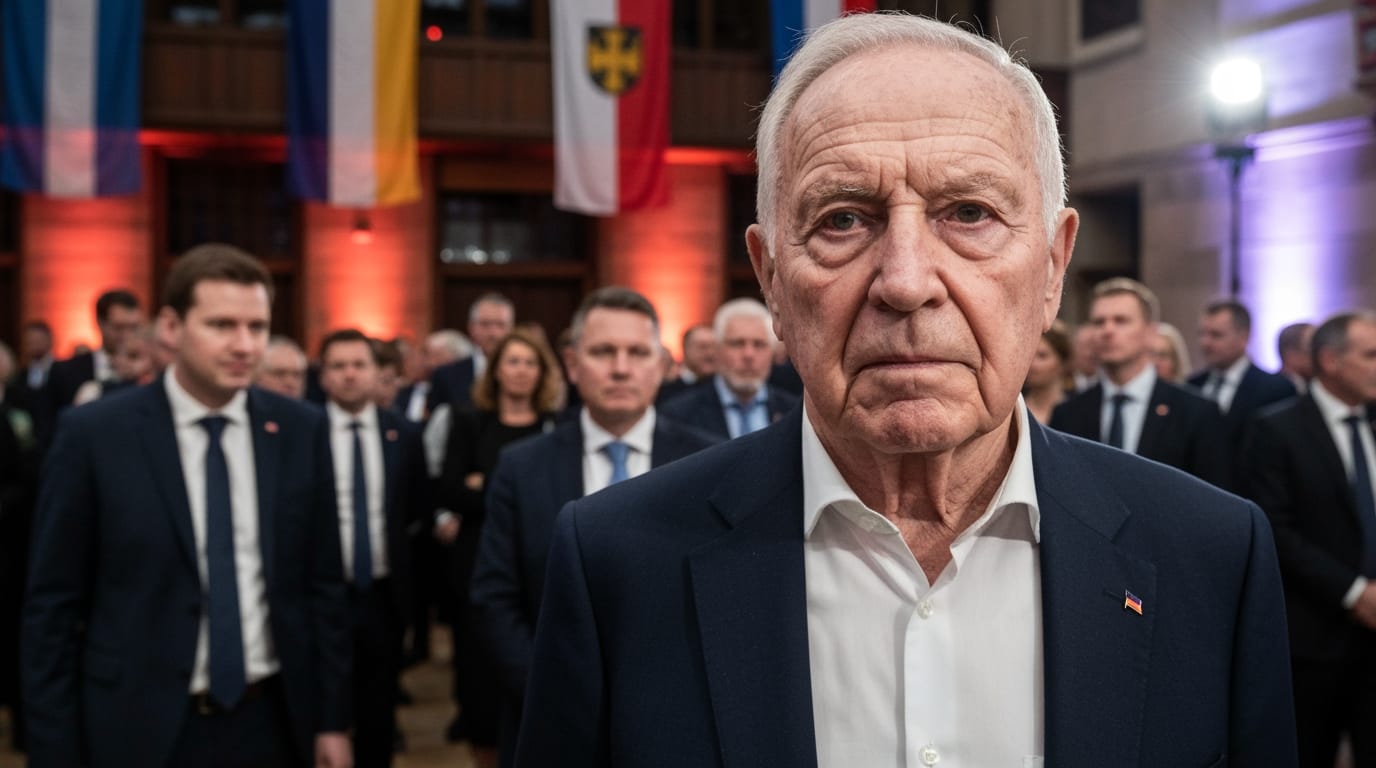
Germany's political establishment is grappling with the ascendance of the Alternative for Germany (AfD), a far-right party that has not only seen a dramatic surge in popular support but has also declared its intent to "make history" by entering government. This ambition, articulated amidst record-high poll numbers and significant electoral gains, signals a potential watershed moment for German democracy, challenging long-standing political norms and intensifying concerns about the country's democratic future.
The AfD, once a fringe Eurosceptic movement, has capitalized on widespread public dissatisfaction with mainstream parties and anxieties over immigration, economic challenges, and climate policy. Its trajectory from a nascent party in 2013 to a formidable political force reflects a deepening polarization within the German electorate. The party's declared goal of becoming a governing power, particularly in eastern German states where its support is strongest, has triggered alarm across the political spectrum and spurred renewed debate over how to confront the far-right's growing influence.
The AfD's Ascendant Trajectory and "Making History" Bid
The Alternative for Germany (AfD) has experienced an unprecedented rise in recent years, transforming from a eurosceptic protest party into a significant political player. Its ambition to "make history" is rooted in a series of electoral successes and soaring opinion poll figures. In the 2025 federal election, the AfD secured 20.8% of the vote, making it the second-largest party and the largest opposition party in the Bundestag with 152 seats, a substantial increase from its 2021 performance. This marked the party's best result in national elections.
Beyond federal politics, the AfD has demonstrated considerable strength at the state level. In March 2026, the party more than doubled its share of the vote in the Rhineland-Palatinate state election, achieving 19.5%, its highest result in a western German state to date. Similar gains were seen in Baden-Wurttemberg earlier that month. National polls further underscore this trend, with some surveys in May 2026 placing the AfD as Germany's most popular party, ahead of Chancellor Friedrich Merz's conservative CDU-CSU bloc, at 27% or even 29%. In eastern states, where the party has consistently polled higher, the AfD aims for outright majorities in upcoming September state elections, with support reaching as high as 41% in Saxony-Anhalt. A victory in even one of these states would mark the first time a far-right party has governed a German state since World War II. This regional dominance is seen as a blueprint for wider national impact, fueling the party's confidence in its ability to fundamentally alter Germany's political landscape.
Core Ideologies and Policy Proposals
The AfD's political platform is characterized by positions that stand in stark contrast to those of mainstream German parties. Initially founded on euroscepticism, the party has increasingly adopted a far-right, national conservative, and völkisch nationalist ideology since 2015. A central tenet of its platform is a staunch anti-immigration stance, advocating for "re-migration" and threatening mass deportations of migrants if in power. The party has also called for an end to Muslim minarets, public calls to prayer, and headscarves in public institutions, viewing them as "Islamic symbols of power" incompatible with Germany's free democratic order.
Economically, the AfD rejects the European Union, advocating for a return to national currencies like the Deutschmark and opposing bailouts of EU member countries. It also expresses skepticism about human-caused global warming, opposes climate change measures, and seeks to scrap renewable energy projects. On foreign policy, the party favors closer relations with Russia and has expressed pro-Russia sentiments. Other proposals include the reintroduction of military conscription, widespread reforms to the education system, and changes to media financing. The party emphasizes a "Germany First" approach, promising to address voter concerns by prioritizing domestic issues and German citizens.
Scrutiny and the "Firewall" Against the Far-Right
The AfD's rapid growth has been met with significant concern and scrutiny. Germany's domestic intelligence agency, the Federal Office for the Protection of the Constitution (BfV), has placed the party under observation. In May 2025, the BfV classified the AfD as a "proven extremist group," a designation that allows for expanded surveillance, including communications monitoring and the recruitment of informants. This classification followed a period where the party was designated a "suspected extremist group" since 2021, a status upheld by courts despite legal challenges from the AfD. While a recent ruling in February 2026 temporarily paused the "confirmed extremist" label for the national party pending further litigation, several regional AfD organizations, particularly in eastern Germany, have already been officially deemed "proven extremist".
Mainstream political parties in Germany have maintained a "firewall," refusing to cooperate or form coalitions with the AfD at both state and national levels. This collective stance aims to isolate the far-right party and prevent it from gaining governmental power. However, the AfD's consistent strong polling and electoral performance, especially in eastern states, put this "firewall" under increasing pressure. Discussions about a potential ban of the party have also emerged among some lawmakers, though legal hurdles are high, requiring evidence that a party actively seeks to abolish the democratic order. Public protests against the AfD have also mobilized hundreds of thousands of people across Germany, demonstrating a widespread concern about the party's impact on democracy.
Understanding the AfD Voter Base
The AfD's growing appeal is fueled by a complex mix of factors and resonates particularly with certain demographic segments. Polling data indicates that around one in five Germans holds a favorable view of the AfD, marking the highest favorability recorded in eight years of surveys. This support is often concentrated among men, particularly younger men, and individuals with lower levels of education. While men over 35 are only marginally more likely to support the party than women in the same age group, men under 35 show a significantly higher rate of support.
Voters drawn to the AfD frequently express deep pessimism about Germany's economy and dissatisfaction with the state of democracy. Many feel disenfranchised by traditional parties and are disillusioned with the incumbent government, often citing concerns related to the economy, inflation, and migration as key motivations for their support. The party has successfully attracted voters from other mainstream parties, with a significant portion of its current supporters having previously voted for the Social Democratic Party (SPD), the Free Democratic Party (FDP), and even the Greens. Geographically, the AfD enjoys significantly stronger support in the formerly communist East German states, reflecting economic and social cleavages that persist decades after reunification. The AfD's strategic use of social media, including platforms like TikTok and Instagram, has also played a role in reaching and mobilizing younger voters who are increasingly disengaged from mainstream news sources.
Outlook and Implications for German Democracy
The AfD's surging popularity and its declared ambition to "make history" present Germany with a profound political challenge. The party's growing electoral strength, particularly in key state elections later in the year, could force mainstream parties to re-evaluate their long-standing refusal to engage with the far-right. The prospect of the AfD controlling interior ministries and local security services in German states raises significant concerns among officials and the public regarding democratic stability and constitutional values.
While mainstream parties continue to advocate for the "firewall" against the AfD, the sustained public support for the far-right raises questions about the long-term viability of this strategy. The ongoing legal battles surrounding the AfD's classification by the domestic intelligence agency underscore the tension between democratic protections and political freedoms. The coming months, particularly with crucial state elections on the horizon, will be a critical test for Germany's political system as it navigates the rise of a party determined to reshape the nation's future.


