Millions Undertake Hajj Pilgrimage Amidst Global Tensions
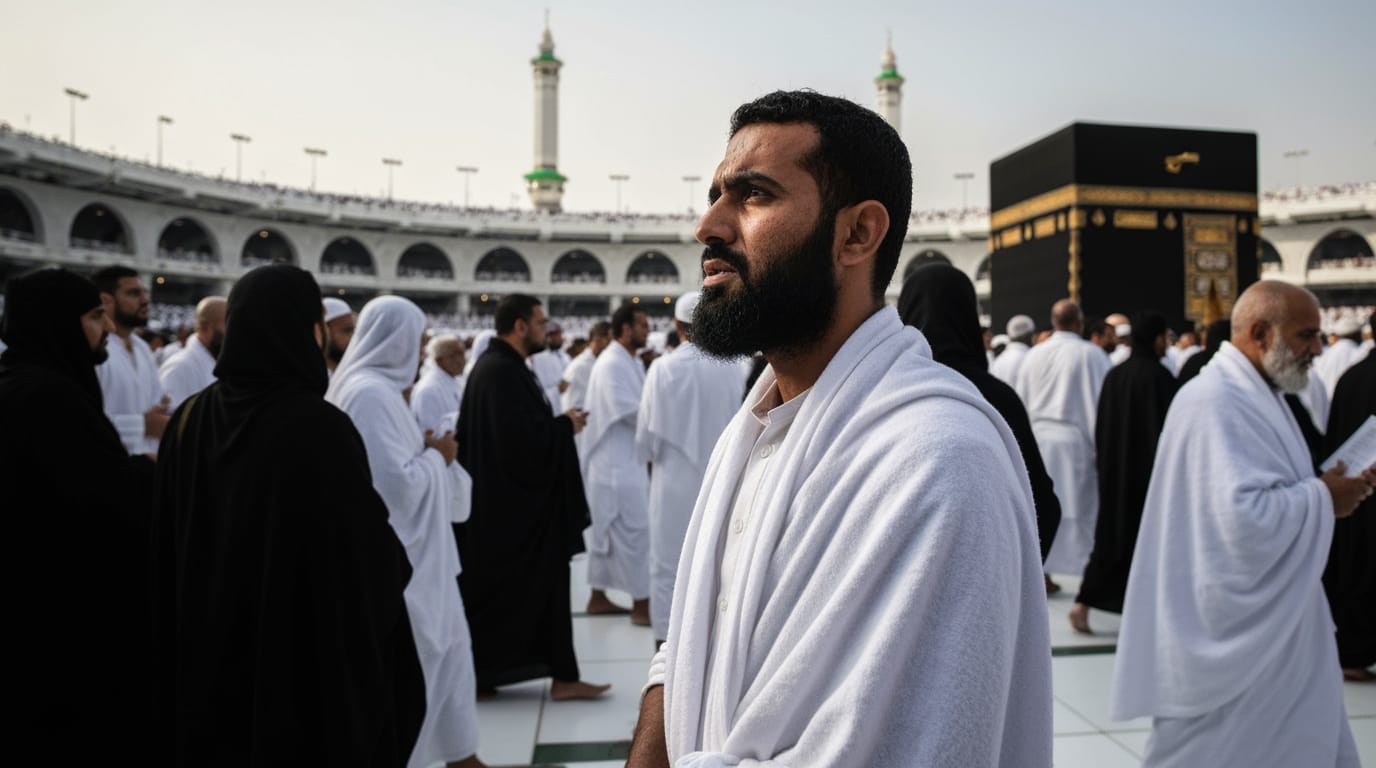
MECCA, Saudi Arabia – More than 1.5 million Muslims from across the globe have converged on the holy city of Mecca to undertake the annual Hajj pilgrimage, a profound spiritual journey unfolding against a backdrop of escalating regional conflicts, most notably the ongoing war in the Gaza Strip. The pilgrimage, a pillar of Islam, underscores a remarkable resilience of faith, drawing millions even as geopolitical uncertainties cast a long shadow across the Middle East. Saudi authorities anticipate the total number of pilgrims this year to surpass two million, with hundreds of thousands of domestic pilgrims joining the international arrivals.
A Sacred Calling Amidst Geopolitical Storms
The Hajj represents a deeply personal and collective act of devotion, obliging every able-bodied Muslim who can afford it to make the journey at least once in their lifetime. This year, the spiritual quest for absolution and unity takes on added significance as pilgrims carry the weight of global crises, particularly the humanitarian catastrophe unfolding in Gaza. The conflict has created a palpable sense of sorrow and solidarity among the faithful, with prayers for peace and an end to suffering a common theme among attendees. Tragically, Palestinians residing in the Gaza Strip were unable to travel to Mecca for the Hajj this year due to the closure of the Rafah crossing, a direct consequence of the war between Israel and Hamas. However, some Palestinians from the occupied West Bank, totaling 4,200, managed to arrive, alongside 1,000 invitees from families of those killed or wounded in Gaza, who were already outside the enclave. The pilgrimage’s traditional rituals, including circling the Kaaba seven times and standing in vigil on Mount Arafat, remain unchanged, yet they are imbued with a heightened sense of purpose and prayer for global peace.
The Monumental Logistics of Faith
Hosting millions of pilgrims simultaneously presents an unparalleled logistical and organizational challenge that the Saudi Arabian government manages annually. The Ministry of Hajj and Umrah, along with numerous other agencies, works tirelessly to ensure the safety, health, and smooth movement of pilgrims across the holy sites. This includes comprehensive crowd management strategies, which have evolved significantly over the years to prevent incidents in densely populated areas like the Jamarat Bridge. Health screening and medical eligibility requirements, including vaccination protocols, are rigorously enforced to mitigate public health risks inherent in such a large gathering.
The sheer scale of the operation involves coordinating transportation, accommodation, food services, and medical care for individuals from over 180 countries, speaking diverse languages. Modern technology, including AI-powered video surveillance and advanced crowd control systems, is increasingly integrated into the management framework to enhance operational efficiency and pilgrim safety. Despite these elaborate preparations, the system faces immense pressure, occasionally leading to challenges such as overcrowded tents or issues with service delivery, as observed in past years when unauthorized pilgrims entered designated spaces.
Regional Stability and the Hajj's Enduring Symbolism
The staging of the Hajj during periods of intense regional volatility highlights Saudi Arabia's commitment to its role as the custodian of Islam's holiest sites. Saudi officials consistently emphasize the apolitical nature of the pilgrimage, with the Minister in charge of religious pilgrimages, Tawfiq al-Rabiah, issuing warnings against political activity during the rites. This stance aims to preserve the Hajj as a universal spiritual sanctuary, yet the geopolitical realities are undeniable. The ongoing conflict in Gaza has undeniably cast a long shadow, prompting discussions about its implications for regional stability and the broader Muslim world.
Historically, the Hajj has proceeded despite various regional upheavals. For instance, in 2015, fears were expressed that the escalating Yemeni Civil War, which saw Saudi Arabia launch airstrikes, could hamper the pilgrimage. Despite such concerns, millions have consistently fulfilled their religious obligation, demonstrating the profound spiritual draw of Mecca that transcends political boundaries and conflicts. Saudi Arabia's Vision 2030 further underscores the economic significance of Hajj and Umrah, positioning religious tourism as a critical driver for economic diversification, making the secure and successful execution of the pilgrimage a national priority.
Conclusion: A Testament to Faith's Perseverance
The annual Hajj pilgrimage remains a powerful testament to the enduring strength and unity of the Muslim faith. Despite the complex and often turbulent geopolitical landscape of the Middle East, millions continue to answer the sacred call, journeying to Mecca with prayers for peace and spiritual renewal. The 2024 Hajj, with its massive attendance amidst the harrowing realities of the Gaza conflict, symbolizes not only the unwavering devotion of individuals but also the intricate dance between spiritual observance, logistical mastery, and regional stability. As pilgrims return to their homes, they carry with them not only personal spiritual enrichment but also a renewed hope for a more peaceful future for the global Muslim community and beyond.


