Germany's Far-Right AfD Faces Scrutiny Over Alleged Misuse of Parliamentary Questions, Igniting National Security Concerns
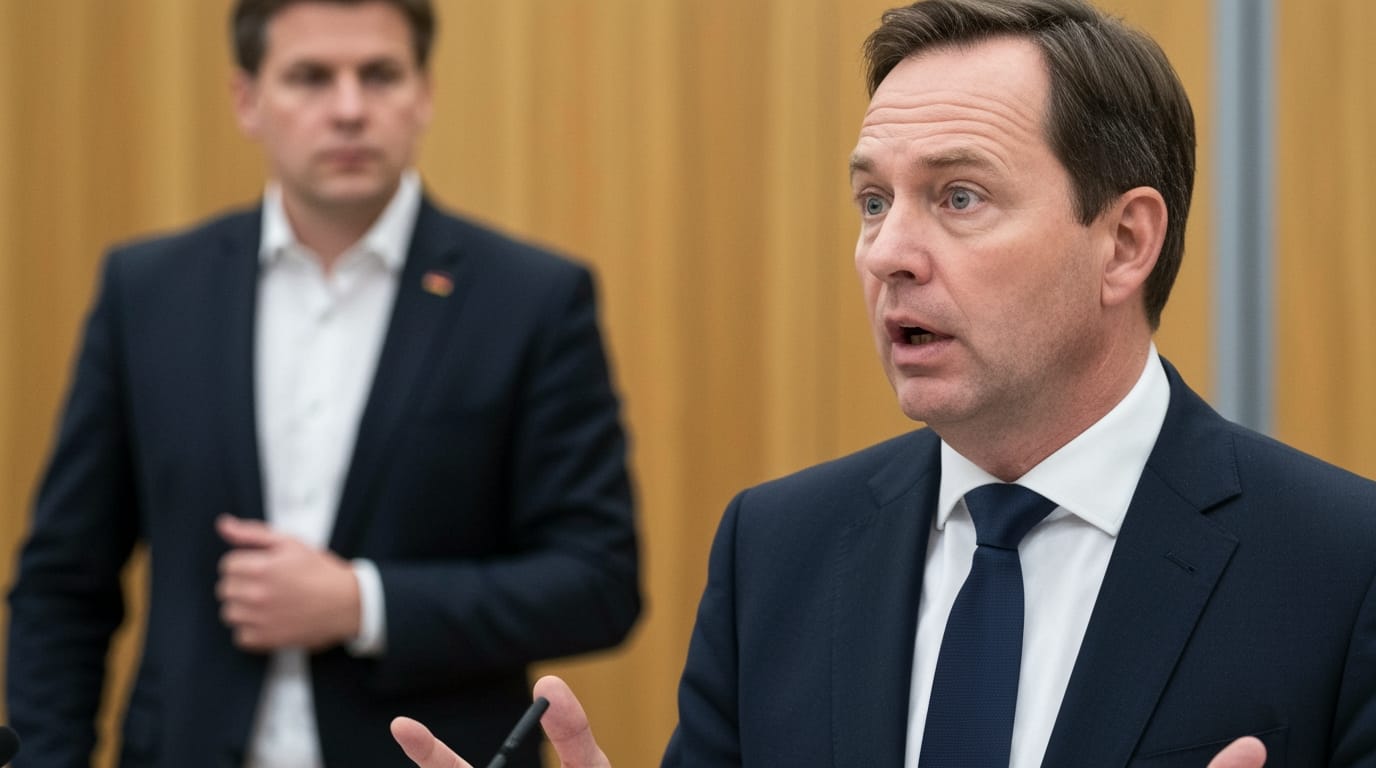
BERLIN – Germany's political landscape is grappling with serious allegations leveled against the far-right Alternative for Germany (AfD) party, accusing its lawmakers of systematically misusing parliamentary questions to extract sensitive intelligence, potentially serving foreign interests. This controversy, centered on the fundamental democratic instrument of government oversight, has sparked national security concerns and intensified the debate surrounding the AfD's role and intentions within German democracy. The party vehemently denies the accusations, labeling them as "absurd suspicions" and politically motivated attacks.
The Allegations: A "Kremlin Checklist" in the Bundestag?
At the heart of the burgeoning controversy are claims from senior German officials suggesting that the AfD's extensive use of parliamentary inquiries could be part of a coordinated effort to gather intelligence beneficial to Russia. Georg Maier, Thuringia's Interior Minister, explicitly stated that it appears the AfD is "working through a list of checklist from the Kremlin with its inquiries." This assessment is echoed by Marc Henrichmann, a member of the German parliament's intelligence committee, who indicated that Russia might be leveraging its perceived influence within the AfD to obtain sensitive information.
The nature of the information sought by AfD lawmakers has raised particular alarm. Inquiries have reportedly delved into highly sensitive areas, including police IT systems, drone detection and defense capabilities, civil protection resources, healthcare facilities, and German military activities. Specific examples highlight this pattern, such as questions from Thuringia AfD lawmaker Ringo Mühlmann, who, since at least 2022, has sought granular data on military transit routes, including types of transport and specific stops. In September 2025, Mühlmann specifically inquired about Western arms transports passing through Thuringia, a key logistical region for supplies destined for Ukraine. Critics contend that the pattern and scope of these requests risk exposing operational details related to arms deliveries and domestic counter-espionage measures, potentially aiding Russian intelligence operations or hybrid warfare.
The Mechanism of Scrutiny: A Flood of Inquiries
Parliamentary questions are a cornerstone of democratic oversight, providing elected representatives, particularly those in opposition, with a vital tool to scrutinize government actions, demand accountability, and gather information. In the German Bundestag, individual members can submit up to four written questions monthly, and two oral questions during sitting weeks, with responses generally expected within a week. Minor and major interpellations also serve as instruments for broader governmental scrutiny, often initiated by parliamentary groups or a specified percentage of members.
However, the sheer volume of security-related parliamentary inquiries originating from the AfD has drawn considerable attention. Since 2020, AfD factions have reportedly submitted more than 7,000 security-related parliamentary questions across federal and state levels. This figure represents approximately one-third of all such questions nationwide, significantly exceeding the number posed by any other political party. In the state of Thuringia, AfD lawmakers were responsible for nearly 70 percent of security-related questions, filing 1,206 out of 1,738 inquiries in the current legislative period. At the federal level, AfD inquiries constituted over 60 percent of all security-related questions in the Bundestag.
Researchers indicate that the AfD has strategically employed parliamentary inquiries since its entry into the Bundestag in 2017, utilizing them both to pressure government ministries and to monitor political opponents. While German law mandates that the government respond to parliamentary questions, it also permits withholding information if its disclosure would endanger national security. The current allegations suggest that the sheer volume and specific focus of the AfD's questions might be testing the boundaries of this established legal framework.
Political Reactions and Party Defenses
The accusations have been met with swift and categorical denials from the AfD. Bernd Baumann, a senior lawmaker for the party, dismissed the espionage allegations as "absurd suspicions." Co-leader Tino Chrupalla contended that the party's inquiries regarding arms transports merely reflect the anxieties of citizens, accusing critics of engaging in "perfidious insinuations." The party maintains that its rigorous questioning is a legitimate exercise of its parliamentary duties, serving to inform the public and hold the government accountable, particularly on sensitive issues like national security and foreign policy.
Other political parties and commentators, however, view the situation with growing apprehension. The domestic intelligence agency has classified the AfD as a right-wing extremist group, placing it under surveillance due to concerns that it poses a threat to democracy. This classification allows for closer monitoring, including the potential use of undercover agents. Debates have also taken place within the German parliament regarding the possibility of prohibiting the AfD, although such a move faces significant legal and political hurdles. Critics argue that the party's actions, including its questioning strategy, contribute to a broader effort to undermine democratic institutions and polarize public discourse.
Broader Context: AfD's Rising Influence and Controversies
The controversy over parliamentary questions unfolds against a backdrop of the AfD's increasing political influence in Germany. The party has established itself as the second most popular political force nationwide and commands significant support, particularly in the eastern federal states. In the 2025 federal election, the AfD secured a record 20.8 percent of the vote, making it the second-largest party in the Bundestag. Despite a "firewall" maintained by other major parties who refuse to form coalitions with the AfD, the party's electoral gains have raised concerns about its long-term impact on German governance.
Beyond the parliamentary questions, the AfD has faced a series of other controversies, including allegations of nepotism regarding staff appointments in parliament. Furthermore, the party has been accused of acting on behalf of foreign powers, including Russia and China, and has actively sought alliances with international right-wing movements, such as the MAGA movement in the United States. These elements collectively contribute to a perception among critics that the AfD is pursuing a strategy of polarization and seeking to portray mainstream political forces as radical, while simultaneously presenting itself as a "normal" and legitimate political actor.
Balancing Oversight and Security in a Polarized Era
The allegations surrounding the AfD's use of parliamentary questions highlight a critical tension within democratic governance: the balance between a legislature's essential right to government oversight and the imperative to safeguard national security. While the ability of lawmakers to ask questions is fundamental to transparency and accountability, the potential for this mechanism to be exploited for ulterior motives, particularly those linked to foreign interests, presents a profound challenge.
The ongoing scrutiny of the AfD's parliamentary activities underscores the complex and often contentious nature of contemporary German politics. The party's denials against the backdrop of serious accusations from government officials necessitate a careful and objective examination of the evidence. As the AfD continues to gain electoral ground and seeks to expand its influence, the debate over the legitimate exercise of parliamentary tools versus their potential misuse will remain a central concern for the stability and integrity of Germany's democratic institutions.


