Iran Leverages Strait of Hormuz, Escalating Global Energy Tensions
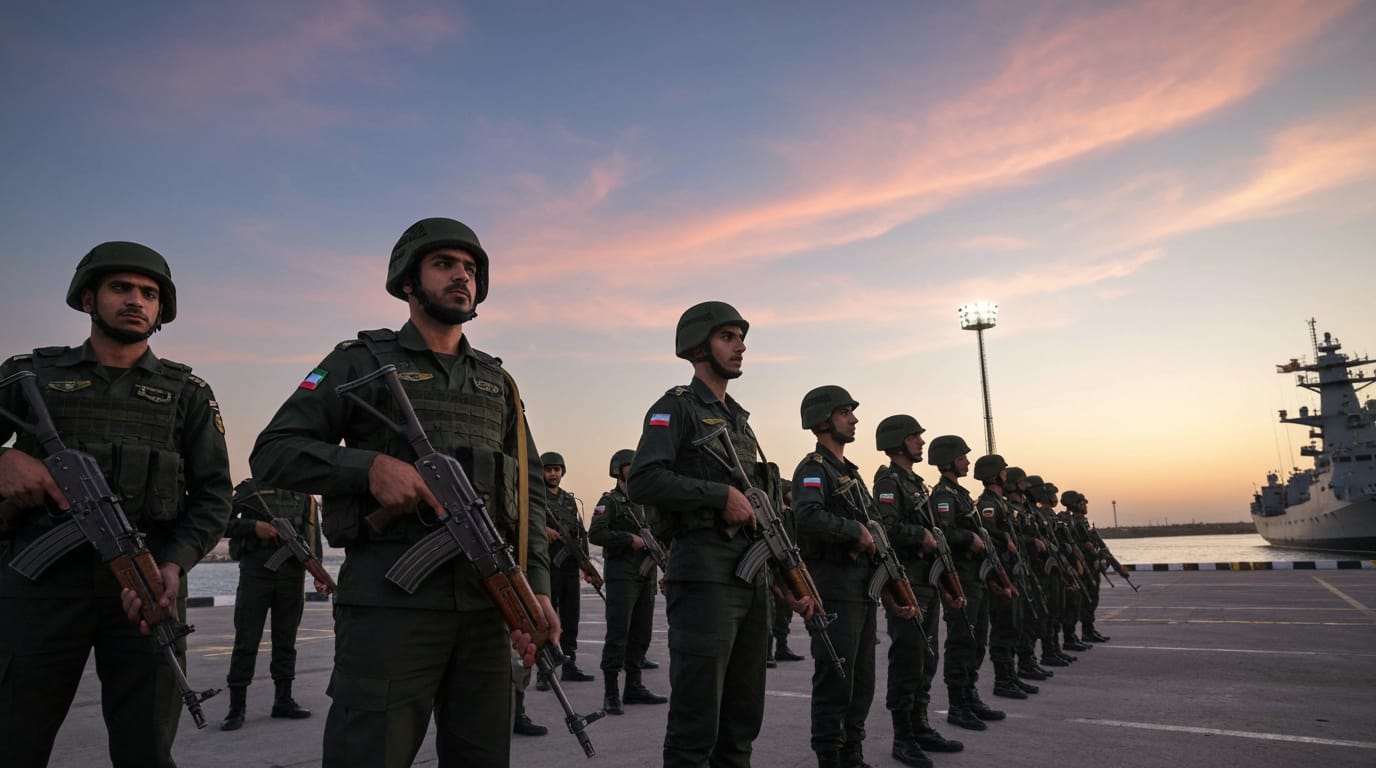
The world’s most vital oil transit chokepoint, the Strait of Hormuz, has become a focal point of intense geopolitical maneuvering, with Iran increasingly asserting its control to gain significant leverage on the international stage. This strategic waterway, through which a quarter of the world's seaborne oil and a fifth of its liquefied natural gas (LNG) pass annually, has been the subject of Iranian threats and actions, particularly amidst recent regional conflicts and international sanctions, sending ripple effects across global energy markets and diplomatic efforts.
Connecting the Persian Gulf to the open ocean, the Strait of Hormuz is geographically narrow yet economically expansive in its implications. Its strategic importance is unparalleled, serving as the sole maritime gateway for major oil producers including Saudi Arabia, Iraq, Kuwait, Qatar, and the United Arab Emirates to access global markets. In 2022, an average of 21 million barrels of oil flowed through this passage daily, representing approximately 21% of global petroleum liquids consumption, with the vast majority destined for Asian economies. Any disruption here reverberates immediately through the global economy, underscoring the immense power wielded by the nation positioned to influence its passage.
A History of Threats and Tactical Assertions
Iran's strategic utilization of the Strait of Hormuz as a lever in its foreign policy is not a new phenomenon. Historical records indicate that Tehran has consistently threatened to impede or close the waterway during periods of heightened geopolitical tension, particularly when facing international pressure, sanctions, or military threats. Notable instances include the "Tanker War" phase of the Iran-Iraq War in the 1980s, when both sides attacked oil tankers and Iran laid mines in an effort to disrupt shipping. More recently, during the 2008 nuclear crisis and the escalation of sanctions in 2011-2012, Iran issued stern warnings, declaring that "not a drop of oil will pass" if its own oil exports were targeted. These pronouncements, even if not fully realized, invariably triggered spikes in global oil prices, demonstrating the potent psychological and economic impact of such threats.
In 2019, following the U.S. withdrawal from the Iran nuclear agreement, Iran seized a British tanker in the Strait, further illustrating its capacity and willingness to disrupt commercial shipping as a coercive measure. These historical precedents underscore a consistent strategy: to signal its capability to inflict significant economic pain on the global community, thereby deterring external aggression and compelling diplomatic engagement on its terms.
The 2026 Crisis: From Blockade to Negotiating Chip
The early months of 2026 witnessed a dramatic escalation, transforming the Strait of Hormuz into an active theater of geopolitical confrontation. Following joint U.S.-Israeli airstrikes on Iranian territory on February 28, 2026, Iran's Islamic Revolutionary Guard Corps (IRGC) swiftly took full control of the Strait of Hormuz, declaring a complete blockade of maritime traffic. This decisive action led to an immediate and significant disruption of global energy flows, with oil and gas prices surging to unprecedented levels and approximately 90% of traffic through the Strait being diverted to avoid hostilities.
Iran's actions extended beyond mere threats. Reports indicated that Tehran was actively laying naval mines in the Strait, a tactic designed to enhance its control and deter naval passage. These mines, capable of remote activation, form part of Iran's asymmetric naval strategy, which also includes a formidable "Mosquito Fleet" of high-speed boats, drone explosive boats, and various missile systems designed to target larger vessels and installations.
This assertive posture has been explicitly framed by Iranian state media as a form of "economic warfare," aimed at redistributing regional wealth and gaining strategic influence. Iranian negotiators have reportedly included continued Iranian sovereignty over the Strait as a key demand in ongoing peace talks with the United States. This suggests that Iran views its control over the Strait not just as a defensive measure, but as a newfound "geopolitical currency" to extract concessions, generate revenue through potential tolls, and deter future military actions against its interests.
Global Responses and Limited Alternatives
The international community's response to Iran's leverage over the Strait has been multifaceted, ranging from military deployments to diplomatic overtures. The United States, a staunch proponent of freedom of navigation, maintains a robust military presence in the region through its Fifth Fleet, headquartered in Bahrain. Tasked with safeguarding maritime security, the Fifth Fleet has been actively enforcing a counter-blockade on Iranian ports and vessels since the outbreak of hostilities in 2026, aiming to compel Iran to reopen the vital waterway. President Trump, in response to Iran's mine-laying activities, issued a directive for the U.S. Navy to "shoot and kill any boat" suspected of such actions.
Despite a provisional ceasefire between the U.S. and Iran, extended in April 2026, tensions remain exceptionally high. The Strait, though technically subject to a ceasefire, remains largely impassable for commercial shipping, with vessel traffic plummeting to approximately 5% of pre-conflict levels. Maritime insurance costs have soared, further exacerbating global supply chain disruptions. The United Nations Security Council attempted to pass a resolution condemning Iranian attacks, but it was vetoed by China and Russia, highlighting divisions within the international community. European allies, while expressing readiness to contribute to safe passage efforts, have largely refrained from joining the U.S. blockade during hostilities, emphasizing diplomatic solutions.
The world's dependence on the Strait of Hormuz is starkly evident in the limited viable alternatives for oil and gas transit. While Saudi Arabia and the United Arab Emirates possess pipelines capable of bypassing the Strait, their capacity is insufficient to reroute the entire volume of exports. Saudi Arabia's East-West Pipeline to Yanbu on the Red Sea can divert a fraction of its crude, and the UAE's Abu Dhabi Crude Oil Pipeline to Fujairah offers another limited option. Iran itself has a pipeline to Jask outside the Strait, but its operational readiness for large-scale diversions remains uncertain. Proposed projects for new pipelines in Iraq remain in conceptual stages, far from offering immediate relief. In total, available unused pipeline capacity to bypass the Strait amounts to roughly 3.5 to 5.5 million barrels per day, a mere fraction of the 21 million barrels that typically traverse the Strait daily. This inherent vulnerability underscores why any disruption to the Strait's passage quickly translates into a global economic crisis.
Enduring Leverage in a Volatile Region
Iran's ability to exert influence over the Strait of Hormuz represents a significant and enduring geopolitical advantage. By demonstrating its capacity to disrupt a critical artery of global commerce, Tehran has secured a powerful bargaining chip in its interactions with regional and international powers. The strategic importance of the Strait, coupled with the limited practical alternatives for energy transit, ensures that Iran's actions in this waterway will continue to draw intense global attention and carry substantial economic consequences. As diplomatic efforts continue amidst persistent tensions and sporadic security incidents, the Strait of Hormuz remains a precarious symbol of interconnected global energy security and Iran's strategic influence in a volatile region.


