Regional Unrest Rattles Gulf Economy, Forcing Thousands of Indian Workers to Return Home
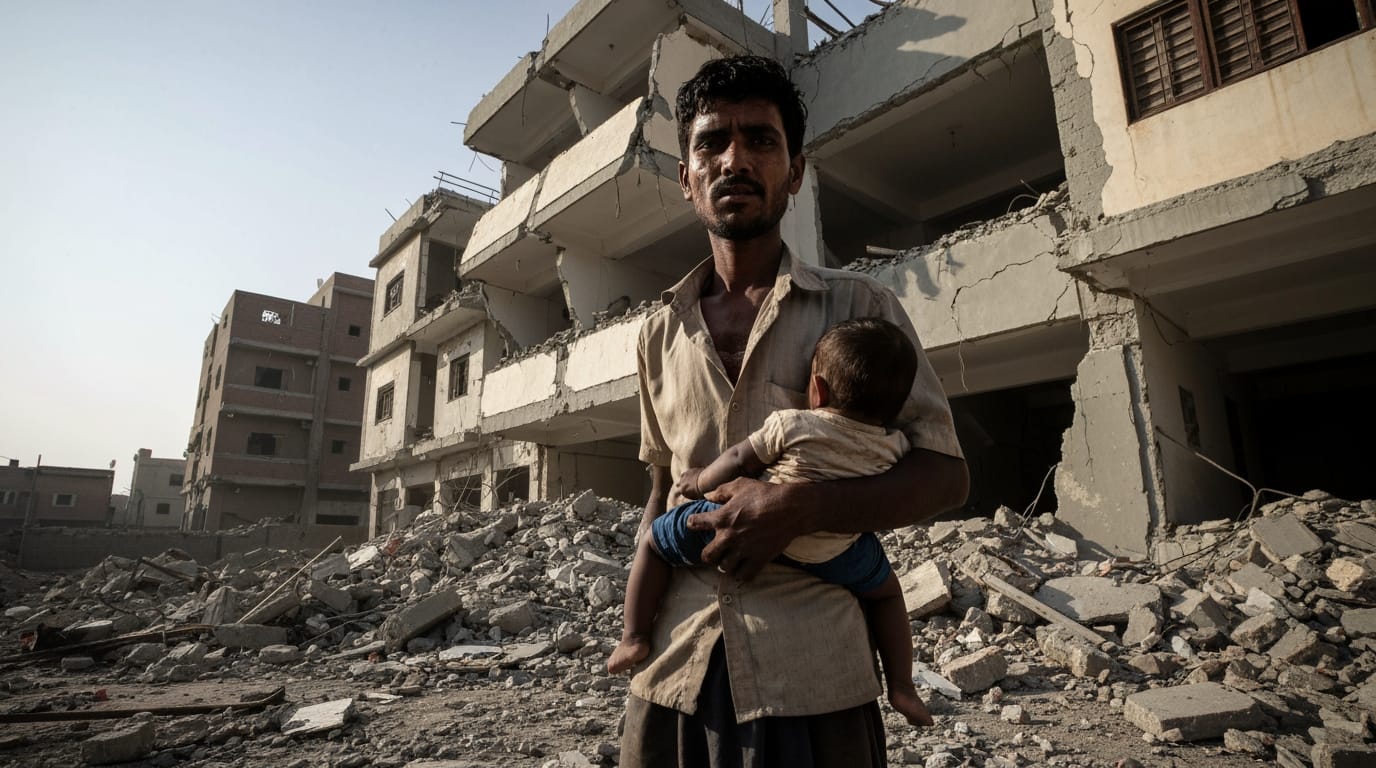
Dubai, UAE – Mounting geopolitical tensions and conflict in West Asia are sending seismic economic shockwaves across the Gulf region, triggering a concerning exodus of Indian expatriate workers and threatening India's vital lifeline of remittances. As key economic sectors in Gulf Cooperation Council (GCC) nations reel from disruptions, thousands of Indian nationals, who form the backbone of the region's workforce, are finding their livelihoods in peril, compelling many to return home amidst a deepening crisis.
The escalating instability, often described as a "US-Israeli war on Iran" or "Iran conflict" by analysts, has unleashed a cascade of economic consequences, putting several Gulf economies on the brink of recession. Critical infrastructure, including airports, hotels, and energy facilities, have reportedly sustained strikes, leading to widespread disruptions in energy production, tourism, and aviation. The strategic Strait of Hormuz, a chokepoint for a significant portion of global oil and gas shipments, has experienced traffic disruptions, further exacerbating fears of supply chain breakdowns and surging oil prices. Economic forecasts indicate potential GDP contractions of 10-15% for some Gulf states if the current crisis prolongs, with tourism arrivals plummeting by as much as 40-80% following security incidents. Countries like Qatar, Kuwait, Bahrain, and the UAE face particularly severe downgrades due to their inability to reroute hydrocarbon exports, risking production shutdowns.
India's Remittance Lifeline Under Threat
India, the world's largest recipient of remittances, relies heavily on its vast diaspora in the Gulf, which contributes nearly 38% to its annual inflows, amounting to approximately $135 billion. Millions of Indian migrant workers are employed across the GCC in crucial sectors such as construction, hospitality, retail, and services. However, the ongoing turmoil has already begun to strain this financial artery. Recent weeks have seen a marginal dip of about 4-5% in remittances from Gulf countries, although banks currently report no structural slowdown.
Policymakers and economists fear that a prolonged conflict could lead to widespread job losses and the stalling of major infrastructure projects, resulting in a "mass exodus" of workers reminiscent of the 1990 Kuwait airlift. Such a scenario would not only halt remittance channels for countless families but also precipitate a significant economic shock for India. While initial stages of instability might see a temporary increase in remittances as workers liquidate savings and send money home—a phenomenon known as the "Asset Effect"—this is typically followed by a structural decline as jobs disappear.
The Human Cost: Forced Repatriation and Domestic Strain
The direct human toll of the Gulf's economic distress is becoming increasingly evident. Since March 2026, more than 244,000 Indian nationals have reportedly returned home from the Gulf, driven by job losses, economic uncertainty, and the escalating security concerns. The Indian government is actively monitoring the movement of these returning workers, recognizing the potential for significant remittance shocks.
For many of these workers, particularly those in blue-collar roles within construction and services, the decision to return is fraught with hardship. Many had taken out substantial loans to cover migration expenses, making the loss of employment in the Gulf a catastrophic blow to their financial stability. States in India like Kerala, Uttar Pradesh, Bihar, and Tamil Nadu, which are disproportionately dependent on Gulf remittances, are bracing for the profound impact. Kerala, for instance, receives an estimated 18-20% of India's total inward remittances. The return of these workers exacerbates India's domestic unemployment challenges, placing additional strain on already struggling rural economies. Adding to the complexity, rising energy prices, a direct fallout of the Gulf conflict, are disrupting India's domestic energy supplies, leading to cooking gas shortages and further job losses in industries like Surat's textile sector, prompting internal migration back to rural areas. Despite the dangers, some Indian workers are reportedly choosing to remain in the Gulf, caught in a grim dilemma between personal safety and the critical need to maintain their livelihoods, especially given expensive flight tickets and the fear of losing their jobs permanently.
Broader Implications for India's Economy
Beyond individual households, the unfolding situation in the Gulf carries significant macroeconomic implications for India. A sustained decline in remittances threatens to widen India's Current Account Deficit (CAD), weaken the Indian Rupee, and deplete foreign exchange reserves. The reliance on the Gulf for approximately 40% of India's oil imports and 80% of its gas makes the nation particularly vulnerable to energy price volatility and supply disruptions caused by the regional conflict. Disruptions to air travel routes are also impacting Indian carriers, leading to longer and more costly flights. The economic stability of millions of Indian families and the broader national economy are deeply intertwined with the fortunes of the Gulf.
An Uncertain Future
The current regional instability in West Asia presents a formidable challenge for both the Gulf nations and India. While the Indian diaspora has historically demonstrated remarkable resilience, establishing vital community networks to support vulnerable workers, the long-term impact of a protracted crisis remains a grave concern. The intertwined destinies of these regions mean that economic tremors in the Gulf invariably translate into profound socio-economic consequences for India. As the situation evolves, the focus remains on mitigating the human cost and navigating the complex economic fallout of a region in flux.


