Germany's Pension System Faces Critical Juncture Amidst Demographic Shifts
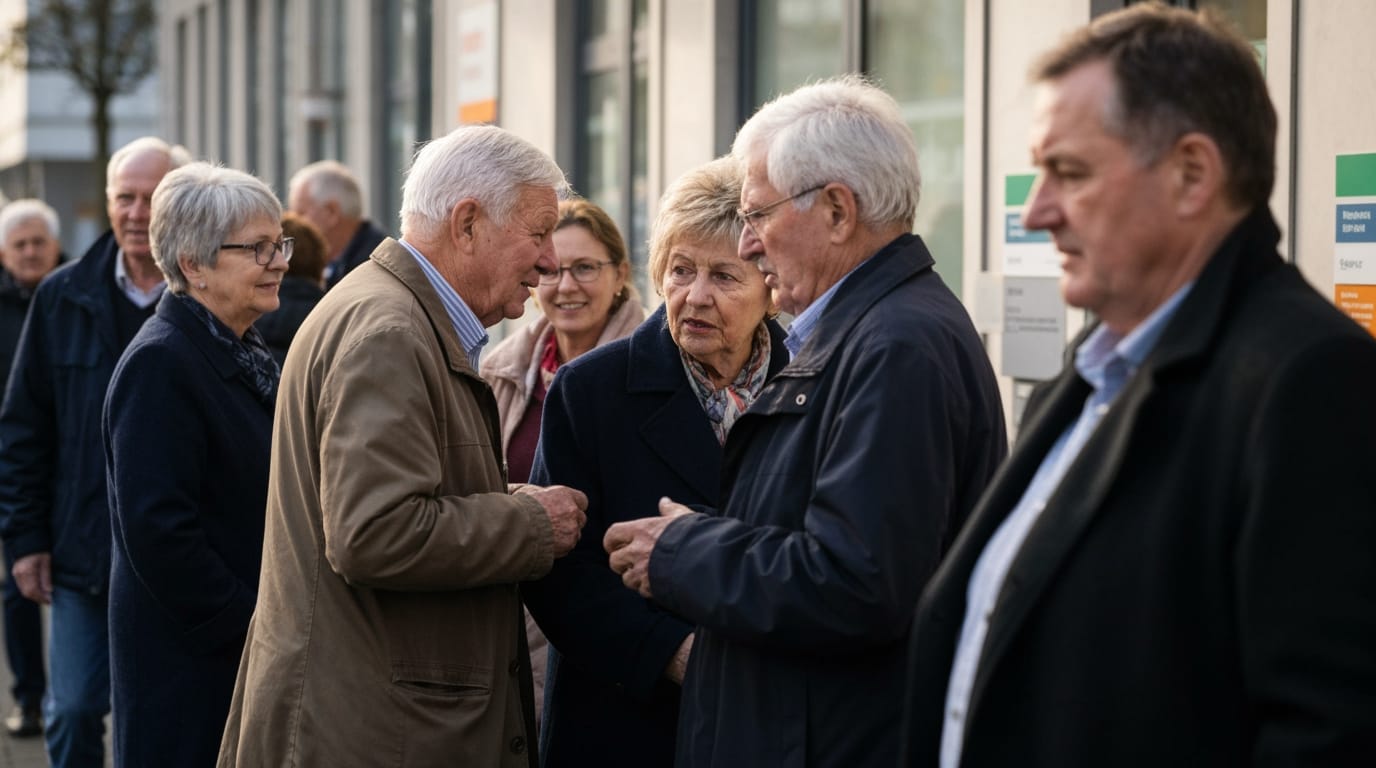
Germany's revered "pay-as-you-go" pension system, a cornerstone of its social fabric for over a century, is navigating its most significant challenge yet. Once a global model, the system now confronts the profound implications of an aging population and declining birth rates, prompting an urgent national debate on reforms to secure its long-term stability and fairness for future generations.
The country's demographic trajectory, characterized by fewer workers supporting an increasing number of retirees, is straining the core "intergenerational contract" upon which the system is built. Political leaders and economic experts are grappling with complex solutions, from adjusting retirement ages and contribution rates to introducing capital-funded elements, all while striving to maintain adequate retirement income and prevent intergenerational discord. The outcome of these reforms will not only redefine retirement for millions but also profoundly impact Germany's economic landscape and social cohesion for decades to come.
The Foundation: A Three-Pillar System Under Pressure
At its heart, the German pension system operates on a three-pillar structure: the mandatory state pension insurance (Gesetzliche Rentenversicherung), voluntary occupational pensions, and private individual provisions. The first pillar, the statutory pension, is a "pay-as-you-go" (PAYG) model, meaning that contributions from the current workforce directly finance the pensions of today's retirees rather than being invested for individual accounts. Established by Chancellor Otto von Bismarck over 100 years ago, it was the world's first formal pension system and has largely been successful in providing a reliable income in retirement.
Financing for the statutory system relies on a payroll tax, currently set at 18.6% of gross salaries up to a contribution ceiling, split equally between employees and employers. Pension entitlements are calculated based on the number of contribution years, the average income earned throughout a working life, and the age of retirement. The standard retirement age, currently 65, is on a gradual path to reach 67 by 2029 or 2031, depending on the year of birth. A key metric, the "pension level" (Rentenniveau), represents the relationship between the standard pension and the average income, currently standing at 48%. While most employees are covered, self-employed individuals are generally not mandated to contribute, and civil servants participate in a separate pension scheme.
Demographic Tsunami: The Looming Financial Gap
The primary driver behind the current crisis is Germany's rapidly shifting demographics. The nation faces a combination of an aging populace, persistently low birth rates, and increasing life expectancy. Projections indicate a significant increase in the old-age dependency ratio, which measures the number of retirees relative to the working-age population. In 2022, this ratio stood at 37.3%, but it is anticipated to rise to 49.8% by 2050, implying nearly one pensioner for every two workers. This imbalance places immense strain on the PAYG system, as fewer contributors are tasked with supporting a growing pool of beneficiaries.
Economic analyses from institutions like the Deutsche Bundesbank and the OECD underscore the unsustainability of the current financing structure. Without significant intervention, the net pension level is projected to gradually fall, potentially dropping below 45% after 2025 and reaching 44.9% by 2040, primarily due to a "sustainability factor" designed to balance the system. To counteract this, contribution rates are expected to climb, potentially reaching 20% by 2028, 22.3% by 2035, and an alarming 29% by 2070 under some scenarios. Concerns also persist regarding the adequacy of future pensions, with some experts suggesting the state pension may only keep pace with inflation and could fall by 25-35% relative to salaries over the next two decades. Chancellor Friedrich Merz has voiced concerns that the state pension alone will no longer be sufficient to maintain one's standard of living in old age.
Navigating the Future: A Patchwork of Proposed Reforms
In response to these pressing challenges, the German government has embarked on a series of reform efforts, notably the "Pensions Package II" (also referred to as "Rentenpaket 2025"), aimed at stabilizing the pension system for the long term. A central component of these plans is the commitment to maintain the pension level at 48% until at least 2031, with some proposals extending this guarantee until 2040, often supplemented by additional funding from tax revenues.
A significant new initiative is the introduction of "Generation Capital," a capital-funded investment fund managed by an independent public foundation. Starting with an initial endowment of €12 billion from government debt in 2024, this fund aims to generate annual payouts of approximately €10 billion by 2036 to bolster pension financing. This marks a notable, albeit partial, shift towards incorporating capital-market elements into a predominantly PAYG system.
Further proposals address the retirement age, with some suggesting linking it directly to life expectancy beyond the planned increase to 67, or even raising it to 70 years. To encourage longer working lives, a tax-free allowance of €2,000 per month on earned income for those continuing to work past the statutory retirement age is also being considered. There are also ongoing discussions about expanding the base of contributors by including civil servants and the self-employed into the statutory pension scheme. Additionally, reforms seek to strengthen occupational and private pension schemes, recognizing their increasingly vital role in supplementing the state pension. Innovative measures, such as the "Frühstart-Rente," set to launch in January 2026, will see €10 per month allocated to individual, capital-funded retirement accounts for children aged 6 to 18, aiming to foster early private savings. However, these reforms are not without political contention, with debates often arising between coalition partners, such as the CDU and SPD, over the best approach to balancing stability, fairness, and fiscal responsibility.
Implications: Balancing Act for Generations
The unfolding pension reform debate carries significant economic and social implications. The increasing burden on younger generations, who face potentially higher contribution rates and later retirement, raises concerns about intergenerational fairness and the risk of societal friction. For current and future retirees, the challenge is ensuring that pensions remain sufficient to live comfortably, particularly as a substantial portion of existing pensioners already receive less than €1,200 net per month. Moreover, the gender pension gap remains a notable concern, with women in Germany projected to earn 43% less than men over their lifetimes, impacting their future pension entitlements.
Economically, the shortage of skilled workers, exacerbated by demographic shifts, further slows economic growth, consequently eroding the base of social contribution payments. The underutilization of funded pensions among German households, who tend to hold a large percentage of their assets in cash and deposits, also represents a missed opportunity to activate savings for long-term growth and stability. The success of current and future reforms will hinge on the ability of policymakers to forge a consensus that thoughtfully addresses these multifaceted challenges, ensuring that the promise of a secure retirement remains within reach for all generations.
Conclusion: A Path Towards Sustainable Security
Germany's pension system stands at a pivotal moment, facing a confluence of demographic, economic, and social pressures. While its historical resilience is undeniable, the traditional "pay-as-you-go" model requires strategic adjustments to ensure its long-term viability. The ongoing reform efforts, encompassing measures from stabilizing pension levels and introducing capital-funded elements to contemplating increases in the retirement age and broadening the contributor base, reflect a concerted attempt to adapt to a changing reality. These complex discussions underscore the nation's commitment to preserving social security while navigating the delicate balance of intergenerational equity and economic sustainability. The path forward demands difficult choices and compromises, but a robust and secure pension system remains a fundamental pillar of Germany's future prosperity and social contract.


