Germany's Pivotal Role in Ukraine Aid Under Scrutiny Amidst Evolving Challenges
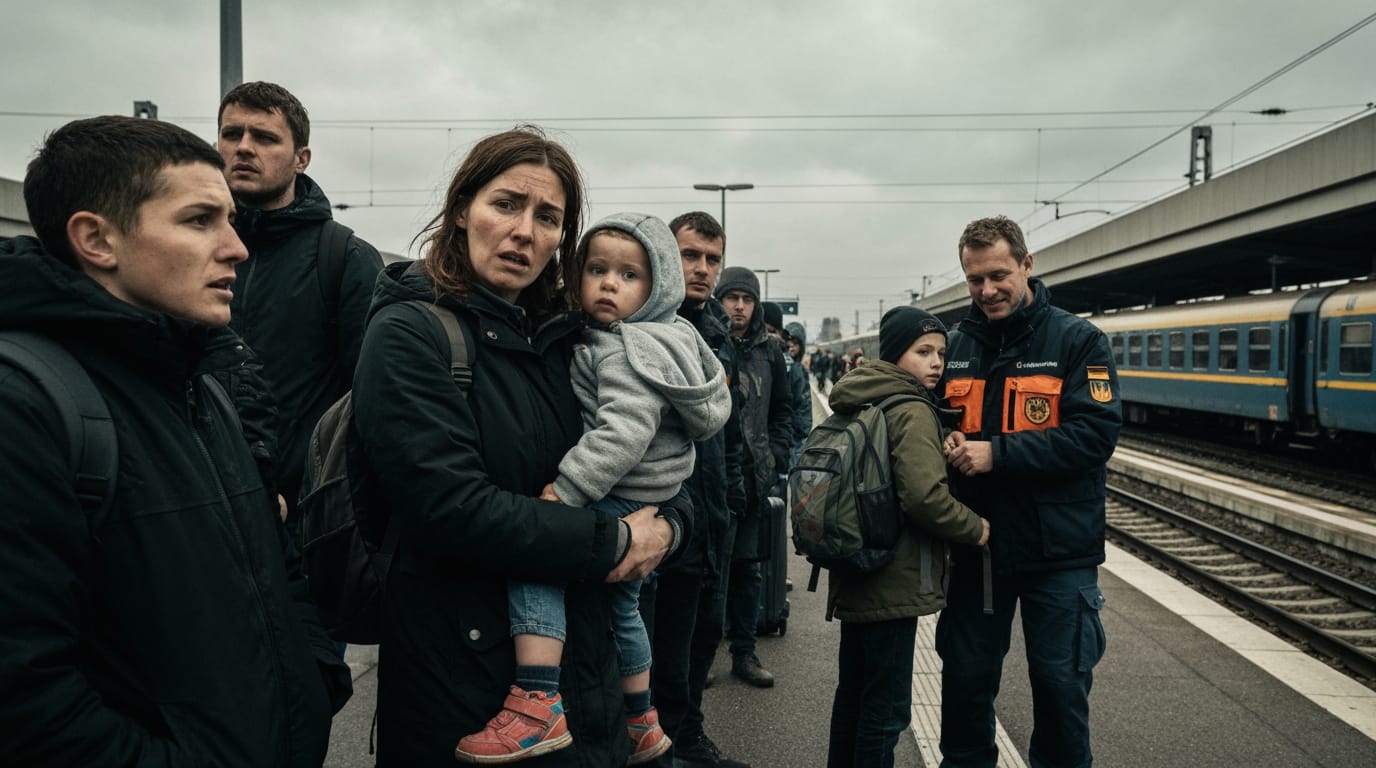
Germany stands as a cornerstone of international support for Ukraine, committing billions in military, financial, and humanitarian aid since Russia's full-scale invasion in February 2022. While Berlin has emerged as Kyiv's second-largest military donor after the United States, its comprehensive assistance package is navigating a complex landscape of domestic political debates, public opinion shifts, and logistical hurdles, casting a shadow over the sustained trajectory of its crucial backing. The commitment to Ukraine's defense and recovery is unwavering, yet the path forward is paved with persistent challenges that test Germany's resolve and strategic flexibility.
Germany's contribution to Ukraine's defense has been substantial, underscoring a significant shift in its foreign policy. By the end of 2025, Germany had made available or earmarked approximately €39 billion in bilateral civilian support and an estimated €55 billion in military assistance for the coming years, totaling an impressive €44 billion by February 2026. This aid encompasses a wide array of support, from critical air defense systems, heavy weaponry like tanks and howitzers, to essential drones and ammunition. Key military contributions include advanced air defense systems such as Patriot and IRIS-T, as well as Gepard self-propelled anti-aircraft guns, which have proven vital in protecting Ukrainian skies. Beyond direct military supplies, Germany provides extensive financial assistance, humanitarian aid, reconstruction efforts, and technical support aimed at stabilizing Ukraine's economy and governance. This multifaceted approach highlights Germany's dedication, with Chancellor Friedrich Merz recently affirming Germany's "unprecedented support" and describing his nation as Ukraine's most important partner in 2026, announcing new aid packages focused on air defense, long-range weapons, drones, and ammunition.
However, Germany's support has not been without significant internal debate, prominently exemplified by the ongoing controversy surrounding the delivery of Taurus cruise missiles. The discussion, which began in the summer of 2023, centers on Ukraine's persistent requests for these long-range weapons to target Russian military infrastructure far behind the front lines. Chancellor Olaf Scholz, during his tenure, expressed strong reservations, citing concerns about potential escalation of the conflict and the risk of Germany becoming directly involved in targeting decisions. Multiple votes in the Bundestag throughout 2024 saw the rejection of proposals to supply Taurus missiles to Ukraine, reflecting parliamentary reluctance and, at times, public opposition. Leaked discussions further revealed technical complexities, including the missiles' reliance on advanced computer systems exclusively possessed by the Bundeswehr, raising questions about the impact on Germany's own defense capabilities if transferred. While other long-range missile systems have been delivered to Ukraine, the Taurus, with its approximately 500 km range and low-altitude flight capabilities, would represent a significant enhancement of Ukraine's deep-strike capacity. Despite Ukraine's urgent appeals, including President Zelenskyy's plea for long-range missiles to deter Russian attacks on cities and target supply lines, the direct transfer of Taurus missiles remains a contentious issue. In April 2026, Chancellor Friedrich Merz reiterated a stance against direct Taurus delivery, though framing it within the context of Ukraine's advancements in other technological areas. The idea of a weapons swap, where Germany would provide Taurus to the United Kingdom in exchange for the UK supplying more Storm Shadow missiles to Ukraine, has been floated as an indirect solution, yet it too has met with skepticism from German factions. This protracted debate highlights the delicate balance Germany seeks to strike between robust support for Ukraine and cautious risk management.
Domestic political dynamics and evolving public sentiment present another layer of complexity for German policymakers. Public opinion regarding military aid to Ukraine has been nuanced and, at times, divided. While a significant majority of Germans (67% in a February 2025 survey) support their country's military assistance to Ukraine, with 27% favoring increased aid and 40% preferring the current level, there remain notable segments of the population calling for a reduction in weapons deliveries. Concerns about escalating the conflict into a wider war or the economic repercussions have fueled some of this hesitancy. Germany's historical legacy of pacifism and its long-standing "Wandel durch Handel" (change through trade) policy have also shaped a cautious approach towards military intervention and strained relations with Russia, influencing public attitudes. The rise of far-right parties, such as the Alternative for Germany (AfD), which often advocate for reducing support for Ukraine, could potentially shift the political landscape and impact the sustainability of future aid commitments. Protests have also occurred, with demonstrators expressing concerns about Germany being "dragged into war" and the potential hollowing out of social programs in favor of defense spending. These internal pressures necessitate a delicate balancing act for the German government, which must reconcile its commitment to Ukraine with domestic political realities and public sentiment.
Beyond political and public opinion challenges, Germany's aid efforts confront logistical and industrial constraints, pushing Berlin to innovate its support model. The limited production capacity of the German and broader European defense industries has prompted Germany to explore alternative strategies. A "new model of support" is emerging, focusing on financing purchases from the United States and fostering the manufacturing of weapons directly within Ukraine. This includes Germany supplying components for Ukrainian production of long-range strike capabilities, such as drones and ballistic or cruise missiles with ranges up to 2,500 km. Joint ventures, like the Rheinmetall drone production facility being established in Ukraine, signify a strategic shift towards enabling Ukraine's indigenous defense capabilities. In a notable reversal of traditional roles, Ukrainian military instructors are now deploying to German army schools to impart their frontline experience in modern warfare, particularly in drone employment, artillery, and armored operations. This initiative highlights an evolving "equal partnership" where the Bundeswehr seeks to learn from Ukraine's battlefield lessons to enhance its own readiness against potential future threats. Furthermore, while the war has undoubtedly caused economic disruption in Germany, particularly due to energy dependence on Russia and supply chain issues, analyses suggest that continuing and even increasing support for Ukraine is ultimately in Germany's economic interest, as the costs of a Russian victory would far outweigh current aid expenditures.
In conclusion, Germany's commitment to supporting Ukraine against Russian aggression remains steadfast, positioning it as a leading international partner. Despite the substantial and diverse nature of its aid, Germany navigates a complex web of challenges, from the sensitive political debate surrounding advanced weapons systems like Taurus missiles to the intricate balancing act of domestic public opinion and budgetary considerations. The country is adapting its approach, shifting towards a model that emphasizes financing and co-production of military equipment within Ukraine, alongside invaluable knowledge exchange. As the conflict evolves, Germany's resolve and capacity to innovate its support mechanisms will be critical in ensuring Ukraine's ability to defend its sovereignty and pursue its long-term recovery and integration into the European framework.


