Germany's Political Crucible: Merz Faces Crucial State Showdown
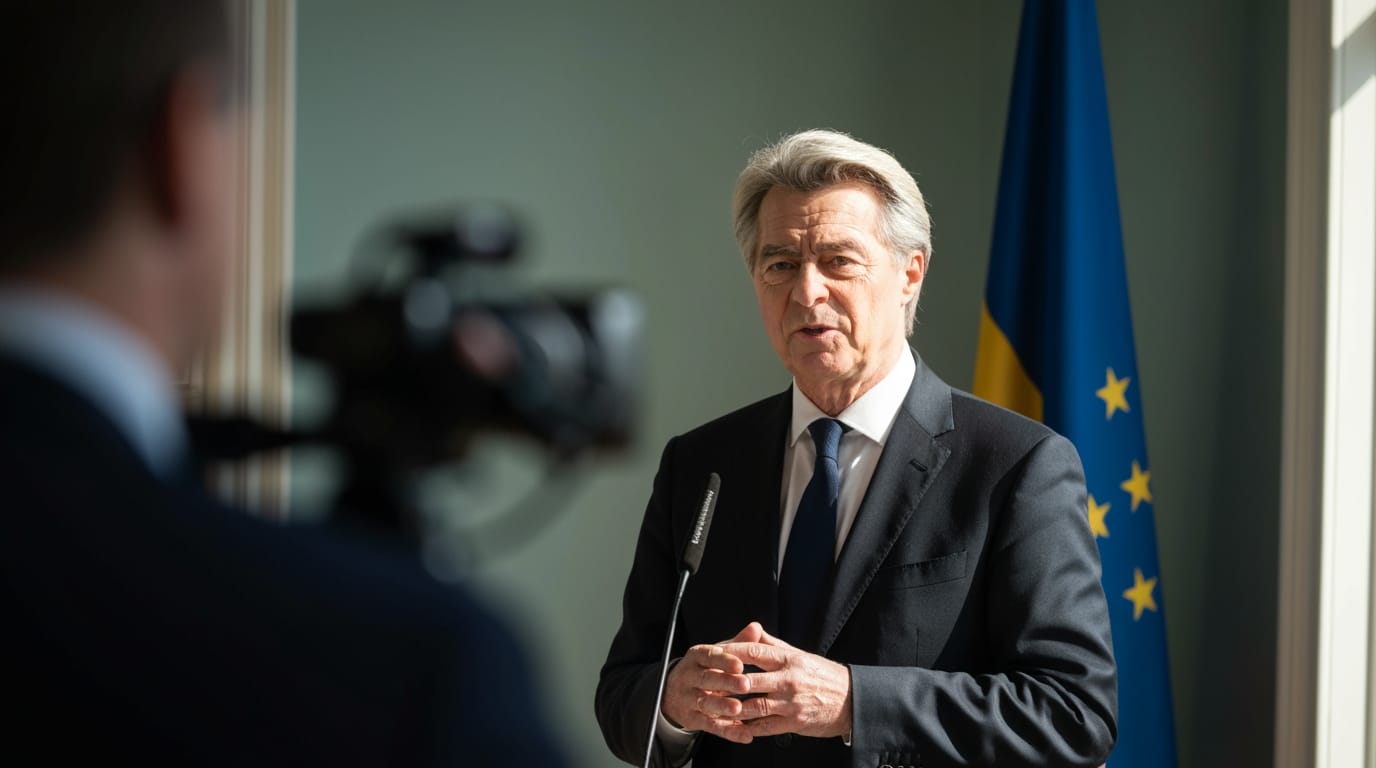
Germany stands at the precipice of a pivotal political year, with Chancellor Friedrich Merz and his Christian Democratic Union (CDU) facing a critical test of leadership in a series of state and local elections throughout 2026. Dubbed a "super election year," these contests, beginning with key votes in March, are poised to serve as a significant barometer for the federal government's standing and could reshape the national political landscape, particularly amidst rising support for the far-right Alternative for Germany (AfD). The outcomes will not only determine regional governance but also exert considerable influence on the stability and policy direction of Merz’s administration, which includes the CDU, its Bavarian sister party Christian Social Union (CSU), and the Social Democratic Party (SPD).
A Critical Electoral Gauntlet
The year 2026 marks an intense period for German democracy, with nearly one in three eligible voters nationwide heading to the polls. Five state government elections are scheduled, including crucial early contests in Baden-Württemberg and Rhineland-Palatinate in March, followed by Saxony-Anhalt, Berlin, and Mecklenburg-Western Pomerania in September. Complementing these state-level battles are important local elections in Bavaria, Hesse, and Lower Saxony. This extensive electoral calendar transcends mere regional politics, transforming into a comprehensive stress test for the political center and a direct assessment of public sentiment towards the federal government. Each vote will be meticulously scrutinized, offering insights into the evolving political currents and the resilience of Germany's established parties against a backdrop of increasing fragmentation and populist gains.
Merz's Mandate and Mounting Challenges
Chancellor Friedrich Merz recently secured a strong mandate within his own party, achieving a 91.17% re-election as CDU leader at the party conference in Stuttgart. This decisive internal backing underscores party unity as the CDU navigates a challenging political environment. However, his tenure as Chancellor, which began in May 2025, has presented a mixed record. While Merz has garnered respect for his approach to foreign and security policy, enhancing Germany's international standing, his government has faced significant domestic hurdles. The federal coalition has grappled with internal divisions over social welfare reform and has yet to articulate a convincing strategy for restoring economic growth amidst a sluggish economy. Public approval for the Merz government remains low, making these state elections a critical juncture to demonstrate federal relevance and regain voter confidence. Merz himself has alluded to some dissatisfaction with the government's progress, emphasizing the need for Germany to unleash its full potential economically.
Battlegrounds and the Shadow of the AfD
The initial state elections in March are particularly significant for setting the tone for the entire year. In Baden-Württemberg, a historically conservative state currently led by the Greens, the CDU aims for a symbolic and substantial victory. Manuel Hagel, the CDU's candidate, is considered a frontrunner, and a win here would be a significant morale boost for the party and Merz. The campaign in Baden-Württemberg is dominated by economic concerns, particularly the future of its renowned car industry and the transition to electric vehicles. Simultaneously, Rhineland-Palatinate also goes to the polls, another state where the CDU sees an opportunity to improve its position and potentially secure a Minister-Presidency.
However, the political landscape is profoundly complicated by the continued rise of the far-right AfD. The party is projected to make substantial gains across Germany, leading polls in eastern states like Saxony-Anhalt and Mecklenburg-Western Pomerania. The prospect of the AfD potentially securing a Minister-Presidency for the first time in a German state casts a long shadow over the elections, posing a severe challenge to the established democratic parties. Merz and the CDU have unequivocally ruled out any cooperation with the AfD, creating complex coalition-forming dilemmas, especially in eastern states where centrist parties often struggle to form majorities without either the AfD or the Left Party. This firm stance underscores a commitment to maintaining a "firewall" against the far-right, but it also highlights the increasing fragmentation of the political spectrum.
Beyond State Borders: Bundesrat and National Implications
The outcomes of these state elections extend far beyond regional governance, directly impacting the balance of power within the Bundesrat, Germany's upper chamber of parliament. State governments appoint members to the Bundesrat, and this body plays a crucial role in federal legislation. A series of CDU gains in the states would not only strengthen Merz's position within the Bundesrat but also send a powerful political signal that his government's reform agenda enjoys broader popular support beyond the federal capital. Conversely, if left-leaning coalitions consolidate or expand their presence in the states, they could create significant opposition in the Bundesrat, potentially slowing down or even blocking key federal initiatives. This dynamic makes the state elections a critical test for Merz's ability to govern effectively and implement his vision for Germany. Furthermore, Merz has actively campaigned in local elections, such as in Hesse, emphasizing the foundational role of municipal politics as the "birthplace of democracy" and essential for connecting federal policies with citizens' everyday lives.
High Stakes for Germany's Political Future
The 2026 "super election year" presents an intricate and high-stakes scenario for Friedrich Merz, the CDU, and the entire German political establishment. The elections serve as an early and comprehensive verdict on Merz’s leadership and the performance of his federal coalition, particularly on domestic issues and economic management. The CDU's performance in these regional contests will determine whether Merz can solidify his national authority and effectively pursue his policy agenda or if his government will face increased pressure and instability. Simultaneously, the persistent rise of the AfD will challenge the traditional political order, forcing centrist parties to adapt to a more fragmented and polarized electorate. The ability of Germany's democratic center to respond effectively to these populist pressures, secure stable regional governments, and address voter concerns will ultimately shape the trajectory of German politics for years to come.


