Germany's Rail Revival: Deutsche Bahn Embarks on Decades-Long Overhaul to Mend a 'Crumbling' Network
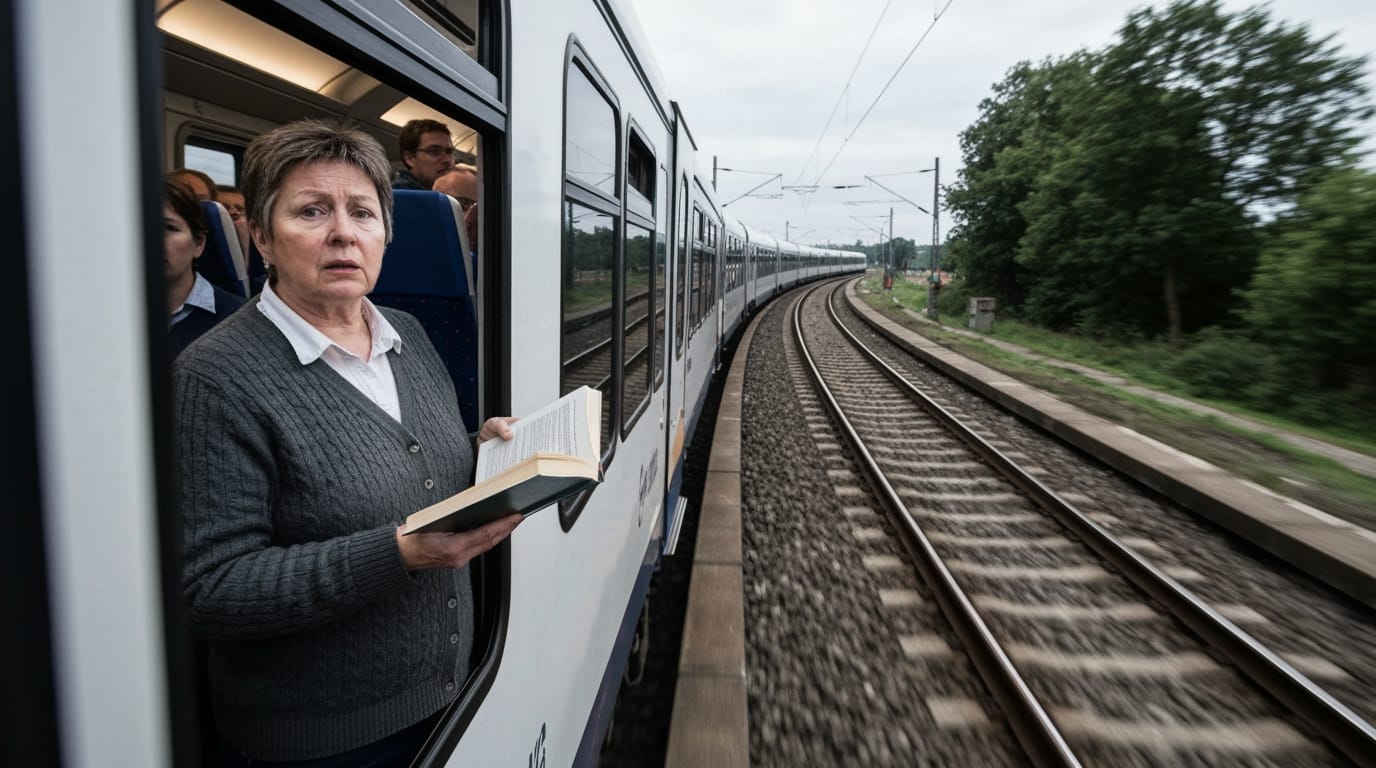
BERLIN – After years of mounting frustration, chronic delays, and a tarnished reputation for punctuality, Deutsche Bahn (DB) has commenced an ambitious, decades-long overhaul of its severely neglected rail network. This monumental undertaking aims to restore reliability to Germany's trains and mend an infrastructure described by officials as being in a "dire" state, acknowledging the widespread public perception that the railway's failures reflect poorly on the nation itself. The extensive modernization program is critical not only for daily commuters and the German economy but also for the country's broader climate goals, which rely heavily on an efficient and attractive rail system.
The Erosion of a Legacy: Decades of Neglect Catch Up
Germany, once synonymous with precision and efficiency, has seen its celebrated rail system steadily erode over the past decades. Years of chronic underinvestment, aging infrastructure, and a complex operational structure that often pitted profitability against public service have converged to create a national crisis. Tracks, signals, and stations, many built generations ago, are ill-equipped to handle the demands of modern traffic, leading to an increasing number of disruptions.
Punctuality statistics paint a stark picture of the decline. In 2024, only about 62.5% of long-distance ICE and IC trains arrived within six minutes of their scheduled time, a figure that scarcely improved despite pledges for reform. The situation hit a low in November 2023, when the punctuality rate for long-distance trains plummeted to 52%. This unreliability culminated in significant financial outlays, with Deutsche Bahn paying out €196.8 million in compensation for cancellations and delays in 2024 alone. The problems became particularly acute during high-profile events like Euro 2024, exposing the network's vulnerabilities to international scrutiny and intensifying public frustration. Experts point to a confluence of factors, including poor asset condition, a high density of traffic, persistent construction sites, and even personnel shortages, as primary drivers of the operational instability.
A €150 Billion Bet: The Grand Renovation Strategy
In response to this deepening crisis, Deutsche Bahn and the German government have launched a sweeping "general renovation strategy." At its core, the plan involves a massive investment of approximately €150 billion over the next ten years, or by 2034, dedicated to upgrading and expanding the rail network. The ambitious program prioritizes the complete modernization of around 40 to 41 high-priority rail corridors across the country.
The renovation approach is radical: instead of piecemeal repairs, entire routes will undergo complete closure for several months. During these intensive periods, tracks, switches, control systems, and station facilities will be comprehensively updated and replaced. Significant digital enhancements are also planned to bring the network up to modern standards. The first phase of this intensive reconstruction began in 2023 on the Frankfurt-Mannheim line, serving as a pilot project. Following its completion, major works are set to commence on the vital Hamburg-Berlin corridor in 2024, with completion anticipated by April 2026. To better manage these vast infrastructure projects, Deutsche Bahn has established DB InfraGo, a new entity focused specifically on the public good aspects of rail infrastructure. The government has set ambitious punctuality targets for long-distance services: 70% by 2029, 80% in the medium term, and eventually 90% in the long term.
Navigating the Hurdles: Challenges and Shifting Timelines
Despite the scale of investment and the clarity of the plan, the overhaul faces considerable challenges. The sheer magnitude of the project, coupled with inherent technical and logistical complexities, has already led to adjustments in the timeline. The initial goal of modernizing 40 core corridors by 2031 has been extended to 2035.
Concerns have also been raised regarding the depth and scope of the renovations. Union officials have voiced skepticism, suggesting that the planned general renovations might amount to "superficial fixes" rather than addressing fundamental structural issues, such as crucial bridges that require extensive planning and approval processes. Furthermore, internal planning documents have reportedly revealed the potential for new closures on freshly renovated tracks, undermining the initial promise of "construction-free" periods following major overhauls.
The leadership of Deutsche Bahn has also seen upheaval. In August 2025, CEO Richard Lutz was dismissed by Transport Minister Patrick Schnieder after eight years at the helm, a decision attributed to missed targets and a growing public outcry over the railway's performance. Schnieder candidly admitted that even the 70% punctuality target for the upcoming year was "unrealistic" given the immense scale of ongoing track renovations, underscoring the deep-seated nature of the problems. The constant cycle of construction, while necessary, is inevitably frustrating for both passengers and the vital rail freight industry. Potential pitfalls like labor strikes and cost overruns further complicate the path to success.
A Long Road Ahead: The Future of German Rail
The future of Deutsche Bahn hinges on the successful execution of this colossal transformation. The "general renovation strategy" is presented as the only viable path to restoring an aging and unreliable network, essential for handling increasing passenger and freight demand. While the journey will be long and undoubtedly fraught with further disruptions, the commitment to a modernized, reliable rail system reflects a national imperative.
The current overhaul represents a pivotal moment for Germany, aiming to reclaim its reputation for engineering prowess and dependable public services. The success of Deutsche Bahn's ambitious plan will not only redefine the travel experience for millions but also serve as a crucial pillar in the nation's efforts to achieve its environmental objectives and bolster its economic resilience. The next decade will determine whether this massive investment can truly put German rail back on track.