Germany's Shifting Stance: Syrian Refugees Face Growing Pressure to Return Home
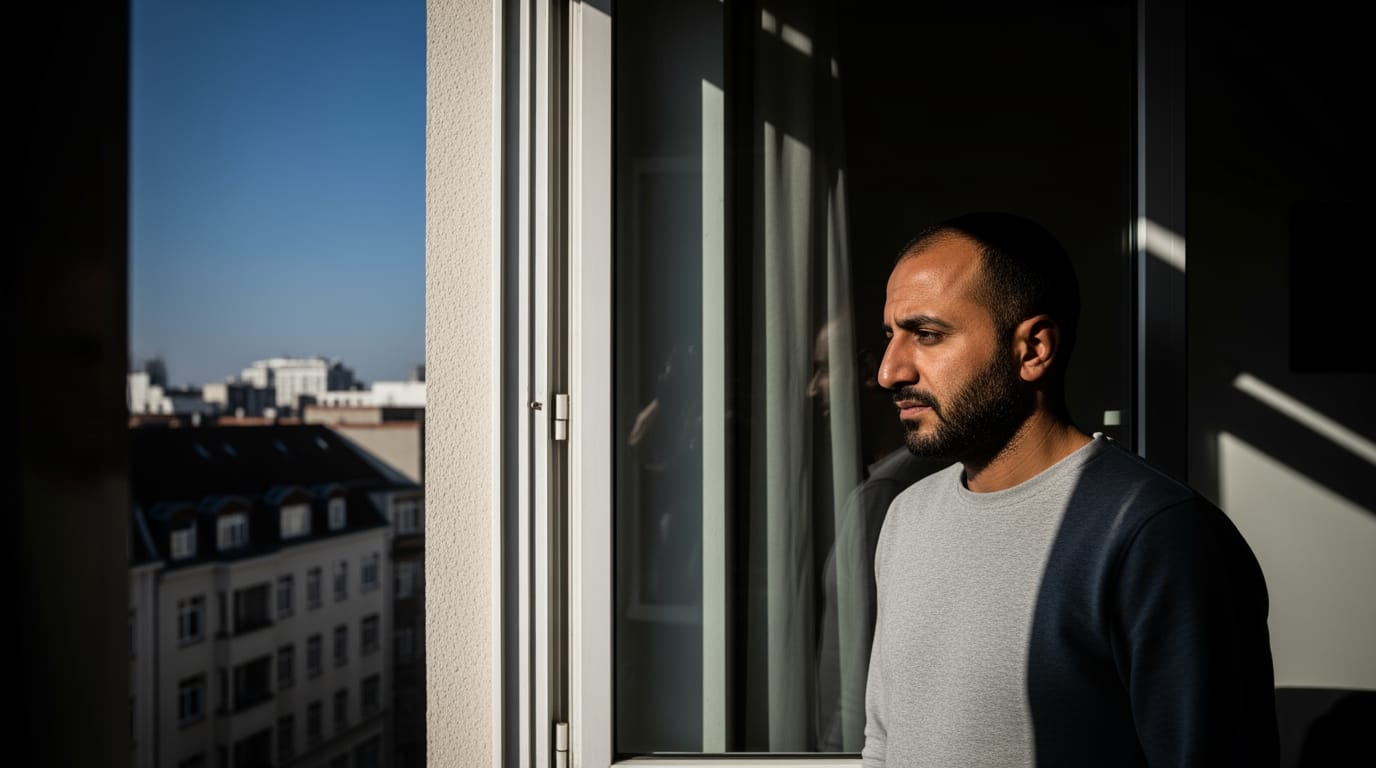
Berlin, Germany – A profound shift in German policy is compelling hundreds of thousands of Syrian refugees to confront an uncertain future, as authorities increasingly advocate for their return to a homeland still grappling with the scars of war. What began a decade ago as an unprecedented act of humanitarian solidarity by Germany has evolved into a complex narrative of integration challenges, legal tightening, and political pressure, particularly following the fall of the Assad regime in December 2024. With nearly a million Syrians residing in Germany, many on temporary permits, the debate over their long-term residency has intensified, creating a climate of anxiety and precariousness for those who sought refuge from conflict.
The Shifting Sands of Policy
In 2015, Germany garnered international acclaim for its open-door policy, welcoming over a million refugees, a significant portion of whom were Syrians fleeing the devastating civil war. This "welcome culture" underscored a commitment to humanitarian principles. However, the political and social landscape has undergone a dramatic transformation since then. Recent statements from top German officials signal a decisive pivot towards encouraging, and in some cases enforcing, returns. Foreign Minister Johann Wadephul stated in November 2025 that Germany aims to facilitate "voluntary return" to Syria, enabling refugees to "rebuild their country." Chancellor Friedrich Merz echoed this sentiment, asserting that "the civil war in Syria is over. There are no longer any grounds for asylum in Germany, and therefore we can begin repatriations."
This more assertive stance is underpinned by the German government's perception of improved stability in parts of Syria, especially since the collapse of the Assad regime. Critics argue that this perspective overlooks the severe on-the-ground realities. Domestic political currents, including the rise of populist parties, have also played a significant role, intensifying pressure on the ruling coalition to adopt stricter migration policies. The narrative has shifted from one of welcome to one emphasizing the legitimate interest of German taxpayers in seeing refugees return once conditions allow, particularly if they are not employed or housed.
Legal Tightening and Voluntary Incentives
The policy shift is manifesting through legal and administrative changes impacting the status of Syrian refugees. Historically, Syrians often received automatic protection status due to the widespread conflict. However, this is no longer the case. A September 2025 ruling by the Cologne Administrative Court confirmed that Syrians no longer hold a fundamental right to protection in Germany; asylum and other protection statuses are now determined on an individual basis, considering specific circumstances and regions of origin. This individual assessment can lead to longer review procedures and uncertain prospects, with potential deportation in cases of rejection.
Many of the approximately 975,000 Syrians in Germany hold temporary residence permits, such as subsidiary protection, which are granted not for individual persecution but due to the civil war in their home country. Interior Minister Nancy Faeser announced in January 2025 that these protection statuses would be "reviewed and revoked" if individuals no longer require protection due to stabilization in Syria. Those deemed well-integrated with employment, German language skills, and stable housing are more likely to retain their residency.
To encourage departures, Germany has launched voluntary return programs, offering financial incentives. These typically include a one-off payment of €1,000 per adult and €500 per child, with a maximum of €4,000 per family, alongside covering travel costs and providing medical support for up to three months after arrival in Syria. Chartered flights to Syria have also been proposed. Despite these offers, uptake remains limited, with only a few thousand Syrians having utilized these programs. Meanwhile, Interior Minister Alexander Dobrindt confirmed plans to resume deportations of rejected asylum seekers, starting with those convicted of crimes and individuals without legal residency, signaling Germany's intent to negotiate agreements with Syrian authorities to facilitate these returns.
A Precarious Future: Refugee Realities and Integration Dilemmas
For Syrian refugees in Germany, the evolving policy creates immense uncertainty and psychological strain. Many arrived with hopes of building new lives, only to find their legal status increasingly precarious. The shift from a guaranteed right to protection to individual case-by-case assessment leaves many in limbo, particularly those who have been granted subsidiary protection. Reports indicate that children of Syrian refugees are experiencing pressure, with some being told to "go home" in schools and kindergartens, reflecting rising tensions over migration within German society.
Challenges with integration have compounded the difficulties. While many Syrians have shown a strong interest in learning German and entering the labor market, barriers such as language difficulties, unrecognized qualifications, and bureaucratic hurdles have hindered progress. Social isolation and discrimination remain significant concerns, contributing to mental health issues for a population already traumatized by war. The struggle to secure stable employment and housing while facing the constant threat of potential return adds another layer of complexity to their lives. Furthermore, strict family reunification policies have caused distress, with temporary residents often unable to bring family members to Germany, leading some to consider risky returns to reunite with loved ones.
The Humanitarian Crossroads: Safety Versus Sovereignty
The German government's assertion that "the civil war in Syria is over" and that conditions allow for returns is sharply contrasted by warnings from humanitarian organizations. Rights groups and refugee advocates emphasize that forced returns to Syria could expose individuals to grave risks, citing ongoing insecurity, widespread human rights abuses, and a severely shattered infrastructure. The international principle of non-refoulement prohibits states from returning refugees to unsafe environments where they would face persecution.
Despite the UN reporting that one million Syrian refugees have returned to their homeland globally since December 2024, it also highlights that Syria's infrastructure remains shattered, its economy fragile, and security conditions volatile, impeding sustainable reintegration. Concerns persist regarding the Syrian government's treatment of returnees, with fears of arbitrary detention and persecution for those perceived as having opposed the regime. This creates a significant ethical dilemma, balancing a sovereign nation's right to manage its borders and immigration policies against its international human rights obligations.
The dilemma extends to those who wish to visit Syria without losing their protected status in Germany. With the fall of the Assad regime, some Syrians in Germany have expressed a desire to "go and have a look" at their homes and assess the situation but fear that such a visit would automatically revoke their asylum rights. While Germany's Interior Minister Nancy Faeser has suggested openness to allowing such visits without penalty, the legal and practical framework for this remains unclear.
The discourse surrounding Syrian refugees in Germany has evolved into a multifaceted challenge involving legal precedents, political expediency, economic considerations, and fundamental human rights. The shift from a policy of extensive welcome to one of increasingly urgent calls for return underscores a broader European debate on migration. For the nearly one million Syrians who built new lives in Germany, the future remains fraught with uncertainty, caught between the desire for safety and stability, and the intensifying pressure to reconsider their place in a country that once offered them sanctuary. The coming months will likely see further legal battles, political maneuvering, and deeply personal struggles as this complex chapter in Germany's migration history continues to unfold.


