A Silent Catastrophe: Chronically Ill Fight for Survival Amidst War in Iran
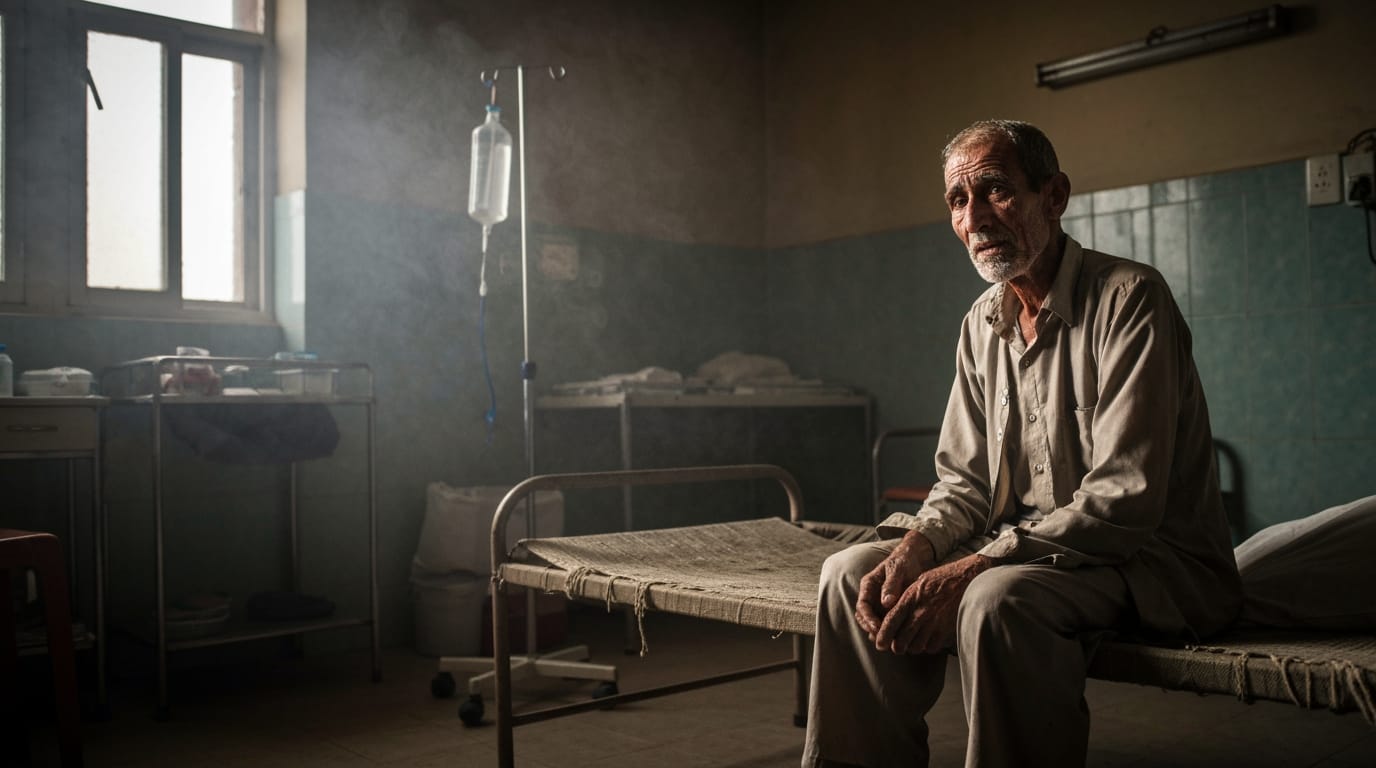
The sound of conflict reverberates across Iran, but for hundreds of thousands living with chronic illnesses, the war that began on February 28, 2026, has ignited a silent, life-threatening crisis. As missile strikes and widespread devastation reshape the landscape, the already vulnerable population dependent on continuous medical care faces a grim struggle for survival, with healthcare infrastructure crumbling and vital supply chains severed. The World Health Organization (WHO) has warned that the war is exacerbating public health conditions across the Middle East, with profound humanitarian consequences extending far beyond immediate casualties.
Healthcare Infrastructure Under Siege
The onset of hostilities on February 28, 2026, marked a catastrophic blow to Iran's healthcare system. Within days, reports emerged of widespread damage to medical facilities, with 25 hospitals damaged and nine rendered inoperable by March 9. Eighteen pre-hospital emergency bases and 14 ambulances have been destroyed, further crippling emergency response capabilities. Attacks on healthcare sites, including the reported 18 incidents in Iran by March 11, constitute a blatant violation of international humanitarian law, according to the WHO. Patients in some regions have been forced into underground shelters in anticipation of missile strikes, highlighting the perilous conditions. The strain on the healthcare system is evident, with critically injured patients overwhelming damaged hospitals, and the exodus of health workers due to security concerns exacerbates staffing shortages. The destruction extends to pharmaceutical and medical centers, with 32 such facilities and 13 Red Crescent facilities suffering damage. This systematic assault on medical infrastructure has left millions without access to essential services, disproportionately affecting those who rely on continuous care.
The Crippling Scarcity of Lifelines
A major consequence of the escalating conflict is the severe disruption to humanitarian and pharmaceutical supply chains, which threatens to be a death knell for many chronically ill individuals. Operations at the World Health Organization's global logistics hub in Dubai are currently on hold due to regional insecurity, creating significant backlogs for emergency medical supply requests. Essential medicines destined for various countries, including Iran, are among more than 50 emergency supply requests from 25 nations now indefinitely delayed. Access to vital shipping routes, particularly the Strait of Hormuz, has been jeopardized, further impeding the flow of life-saving drugs and equipment.
Patients with chronic conditions such as hemophilia, cancer, multiple sclerosis, and diabetes are finding it increasingly difficult to obtain vital drugs. Insulin for diabetics, specialized equipment for dialysis patients, and chemotherapy treatments for cancer sufferers are becoming scarce. Even before the current conflict, international sanctions had weakened Iran's pharmaceutical supply chain, making the present crisis even more acute. The lack of access to medications and essential equipment means that conditions that are manageable in peacetime quickly become fatal in a war zone. Instances of operating theaters running out of anesthetics have also been reported, illustrating the dire shortages impacting even basic medical procedures. This scarcity forces agonizing choices and leaves countless individuals without the continuous care their conditions demand.
A Silent Epidemic of Suffering
Beyond the physical wounds of war, the conflict inflicts a profound and often unseen toll on the mental and physical health of chronically ill populations. For individuals managing conditions like diabetes, hypertension, cardiovascular diseases, and chronic respiratory illnesses, the chaos of war severely disrupts routines essential for their well-being. Wartime displacement, with hundreds of thousands moving into collective shelters, leads to deteriorated self-care practices and exacerbates symptoms. The psychological burden is immense, characterized by heightened stress, anxiety, sleep disturbances, and fear. This emotional distress can directly worsen physiological conditions, as anxiety significantly impacts blood sugar levels for diabetics, for example, leading to severe spikes and complications.
Displaced individuals often lose continuity of care, cut off from their regular healthcare providers and support networks. Food insecurity further complicates the management of dietary-dependent conditions like diabetes. The neglect of disease management, due to the prioritization of immediate threats over long-term health needs, becomes a tragic but common reality. For conditions requiring regular follow-ups, like HIV or kidney failure, the lack of accessible healthcare services can lead to severe long-term complications or premature death. The mental health struggles are not isolated; a cross-sectional study among chronic disease patients in conflict settings, though in Sudan, revealed high levels of depression and anxiety, underscoring the urgent need for integrated care approaches that combine medical treatment with psychological and social support.
Environmental Hazards and the Broader Public Health Crisis
The war has also unleashed a wave of environmental hazards that further endanger public health, particularly for those with pre-existing conditions. Petroleum fires and smoke from damaged infrastructure expose nearby communities to toxic pollutants. These pollutants can cause severe breathing problems, eye and skin irritation, and contaminate water and food sources, posing a grave risk, especially to individuals with respiratory conditions. Strikes on desalination plants and oil refineries threaten access to potable water, increasing the risk of waterborne diseases.
Beyond environmental factors, the breakdown of basic sanitation and hygiene services amplifies the risk of disease outbreaks, placing additional pressure on the already strained health infrastructure. Mass displacement into crowded shelters creates fertile ground for the rapid spread of infectious diseases such as respiratory infections and diarrheal illnesses. These factors, combined with a shattered healthcare system, mean that even common communicable diseases become harder to control, while the treatment for chronic diseases becomes virtually impossible. The overall public health breakdown risks creating shared regional crises, as disease outbreaks and medicine shortages do not respect borders.
An Overlooked Humanitarian Imperative
The war in Iran has thrust the nation's chronically ill population into an existential fight, a humanitarian crisis often overshadowed by the immediate violence. Their struggle underscores the critical need for adherence to international humanitarian law, which protects healthcare facilities and personnel, and ensures unimpeded access for humanitarian aid. The profound impact of conflict on those with chronic diseases—from disrupted supply chains and destroyed infrastructure to psychological trauma and environmental hazards—demands urgent international attention. As the region grapples with the devastating consequences of war, ensuring the survival and well-being of the chronically ill must be an immediate and paramount humanitarian imperative. Cooperation on health and humanitarian issues, even between adversaries, offers a proven model for de-escalation and for addressing the immediate, life-saving needs of these most vulnerable populations.


