Escalating Crises Converge: The Volatile Nexus of Iran, Afghanistan, and Pakistan
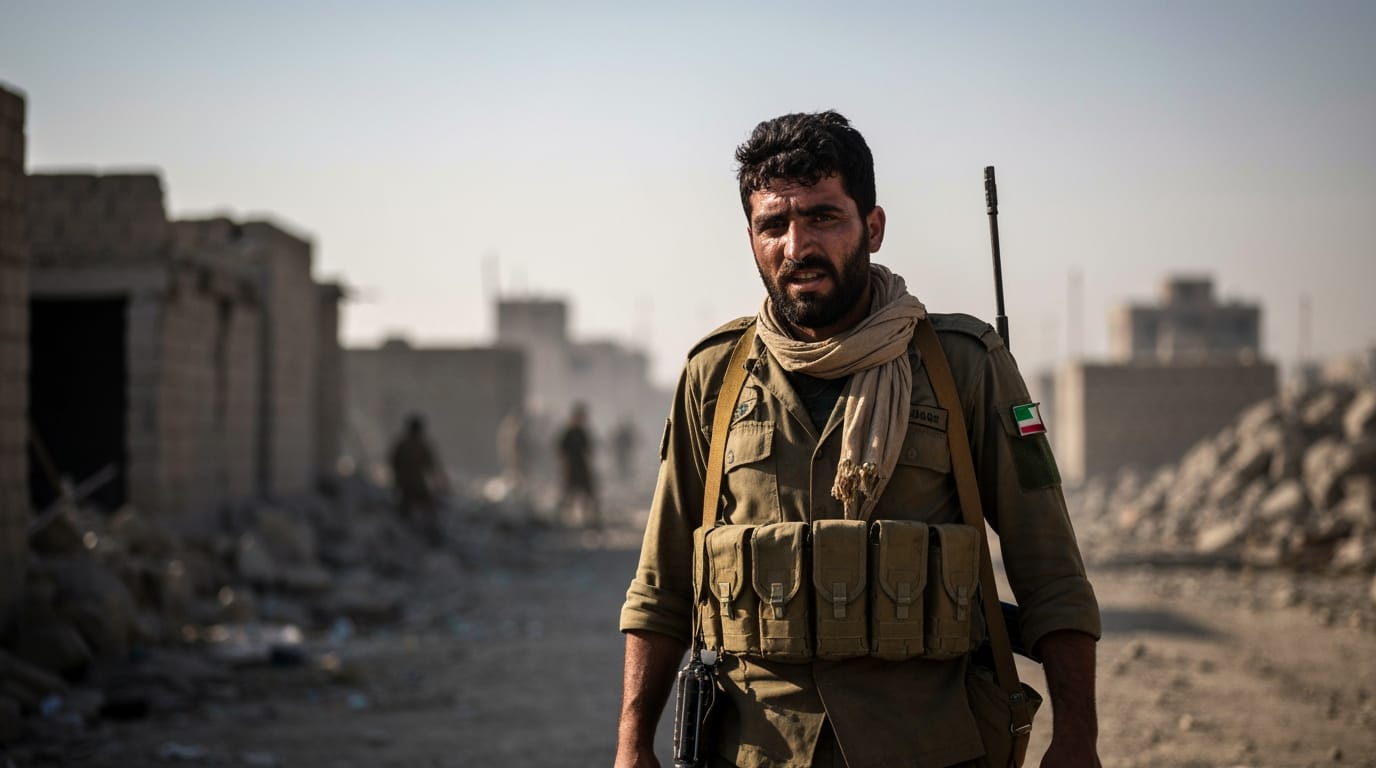
A dangerous confluence of long-simmering conflicts and recent escalations is reshaping the geopolitical landscape at the crossroads of Iran, Afghanistan, and Pakistan. The region, already grappling with profound internal instabilities, is witnessing a worrying convergence of threats that extend beyond national borders, fueled by cross-border militancy, refugee crises, illicit trade, and deep-seated historical grievances. This intricate web of overlapping conflicts presents an acute challenge to regional stability, with far-reaching implications for millions of people and international security.
A Volatile Nexus: Historical Roots and Geographic Realities
The shared borders of Iran, Afghanistan, and Pakistan form a notoriously porous and historically contested region, acting as conduits for both cultural exchange and prolonged instability. This "Golden Crescent" region has long been central to global drug trafficking, with Afghanistan being the world's largest illicit opium producer. The geographical proximity and ethnic ties, particularly among the Baloch population straddling the Iran-Pakistan border and the various groups within Afghanistan, mean that internal conflicts rarely remain contained within a single nation's boundaries. Pakistan shares a 900-kilometer border with Iran, much of it running through the volatile province of Balochistan, a region marked by insurgency, weak state control, and cross-border militancy. Similarly, Pakistan's extensive border with Afghanistan has been a source of enduring tension, exacerbated by disputes over the Durand Line and persistent cross-border militant activity. Iran, likewise, shares a 936-kilometer border with Afghanistan, traversing deserts and marshlands, which facilitates both legitimate trade and illicit activities. The historical interplay of these nations, often characterized by periods of cooperation and friction, has become increasingly fraught with the resurgence of the Taliban in Afghanistan and escalating regional tensions.
The Afghanistan-Pakistan Powder Keg
Recent weeks have seen a dramatic intensification of military tensions between Afghanistan and Pakistan, described by Pakistan as an "open war". This escalation follows a series of cross-border incidents, with Pakistan launching airstrikes into Afghanistan targeting alleged militant hideouts of the Tehrik-i-Taliban Pakistan (TTP) in late February and early March 2026. Pakistan asserts these strikes were in response to increasing terrorist attacks within its borders, carried out by the TTP, which Islamabad claims finds refuge and operational space in Afghanistan. Afghan authorities, however, contend that the Pakistani airstrikes hit civilian targets and have retaliated with their own military operations against Pakistani positions along the border, including claims of striking a Pakistani military base. These clashes have resulted in significant civilian casualties, displacing an estimated 115,000 people in eastern Afghanistan since late February and causing further humanitarian distress. Homes have been damaged or destroyed, and aid agencies report 56 civilian deaths and 129 injuries in the first eight days of the conflict. This renewed conflict between Afghanistan and Pakistan has complicated regional security dynamics, especially given the historical, ideological, and familial ties between the Afghan Taliban and the TTP. Despite the Taliban's denials of harboring the TTP, skepticism persists in Islamabad, and the Taliban's commitment to internal cohesion often overrides other interests.
Iran's Eastern Front: Navigating Complexities
Iran's relationship with its eastern neighbors is equally complex, marked by a blend of apprehension and pragmatic engagement, particularly concerning Afghanistan. While Tehran initially welcomed the fall of the Taliban in 2001 and contributed to reconstruction efforts, it has maintained an "ambiguous role," reportedly providing aid to the Afghan government while also offering support to elements within the Afghan Taliban. Iran's concerns in Afghanistan are multifaceted, encompassing the growing threat from ISIS-Khorasan (ISIS-K), refugee flows, the pervasive drug trade, and water rights disputes over the Helmand River. The return of the Taliban in 2021 prompted a cautious engagement from Iran, driven by the need to counter ISIS-K and stabilize its borders, despite ideological differences with the predominantly Sunni Pashtun Taliban.
Adding another layer of complexity are the tensions between Iran and Pakistan. In January 2024, unprecedented cross-border missile strikes occurred between the two nations, focusing on the volatile Balochistan region. Iran claimed to have targeted militants of the Baloch separatist group Jaish ul-Adl in Pakistan, while Pakistan retaliated by striking alleged hideouts of the Balochistan Liberation Army and Baloch Liberation Front within Iran. This tit-for-tat exchange, unprecedented since the Iran-Iraq War, highlighted the severe security challenges emanating from the highly porous Iran-Pakistan border, which has long been susceptible to smuggling and terrorist activities by various Baloch insurgent groups. Both countries have historically accused each other of harboring militants, despite signing a pact in 2014 to combat cross-border groups. The escalating "Iran war" (likely referring to the broader regional conflict involving the U.S. and Israel) has further intensified concerns for Pakistan, threatening to spill instability across its western frontier and disrupt its fragile economic and security balance.
Shared Crises and Regional Repercussions
Beyond direct military confrontations, the intertwined conflicts in Iran, Afghanistan, and Pakistan manifest in a series of shared crises that amplify regional instability. Drug trafficking remains a significant challenge, with the porous borders acting as a major transit route for illicit drugs originating from Afghanistan. Iran accounts for a substantial portion of global opium and heroin seizures, spending millions annually on border control. This illicit trade fuels criminal networks and contributes to internal security issues across all three nations.
The humanitarian impact, particularly the refugee crisis, is another critical shared concern. Millions of Afghans have sought refuge in Iran and Pakistan over decades, with large-scale returns and deportations continuing. The escalating conflicts threaten to exacerbate these movements, pushing more people into already strained communities. In 2025 alone, nearly three million Afghans returned from Iran and Pakistan, with a significant proportion being families with children. The potential for a new wave of Iranian refugees due to internal instability further heightens regional concerns, with neighboring states quietly preparing for such an exodus.
The geopolitical implications extend to broader regional dynamics, affecting vital trade routes and international partnerships. Central Asian states, which rely on trans-Afghan and trans-Iranian corridors for access to the Indian Ocean, face increased uncertainty due to the escalating tensions. The instability complicates efforts to establish new trade networks and hinders economic integration, impacting projects like the Uzbekistan-Afghanistan-Pakistan railway. Pakistan's delicate balancing act between its relations with Iran, Gulf Arab partners, and the United States is continuously challenged by these overlapping conflicts.
Conclusion
The interconnected conflicts involving Iran, Afghanistan, and Pakistan are creating a vortex of instability that transcends individual national challenges. From escalating border skirmishes and cross-border militancy to the enduring crises of drug trafficking and massive refugee flows, the fates of these nations are inextricably linked. The convergence of these pressures threatens to unravel fragile security arrangements, deepen humanitarian crises, and disrupt vital economic arteries across Central and South Asia. Without comprehensive, coordinated regional and international efforts to address the root causes of instability, manage border security, and alleviate humanitarian suffering, the volatile nexus of Iran, Afghanistan, and Pakistan will continue to be a focal point of profound regional and global concern.


