Germany's Skies Roiled: Lufthansa Strikes Ground Hundreds of Flights, Tens of Thousands Stranded
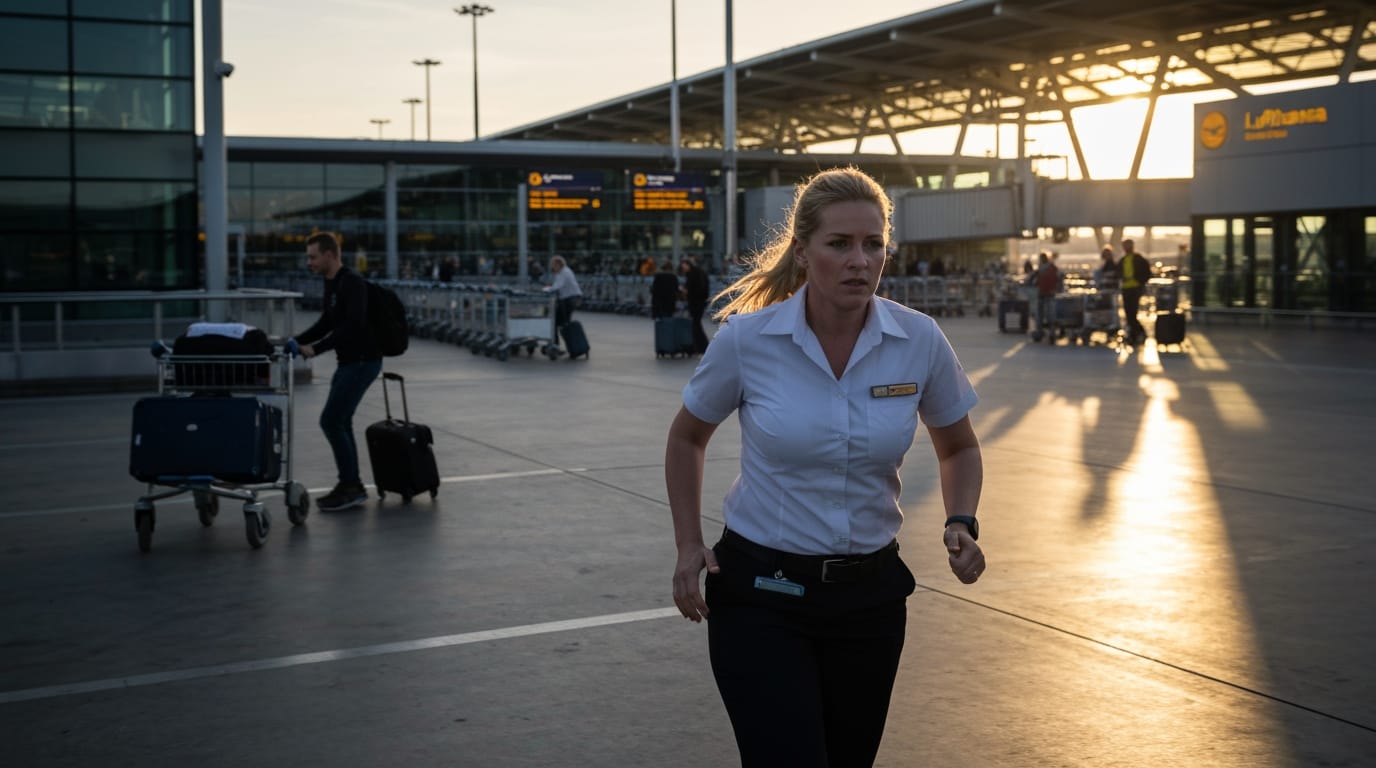
FRANKFURT – A coordinated one-day strike by Lufthansa pilots and cabin crew today, February 12, 2026, has brought air travel across Germany to a near standstill, grounding hundreds of flights and leaving tens of thousands of passengers stranded. The widespread industrial action, impacting major hubs like Frankfurt and Munich, stems from deep-seated, unresolved disputes over pilot pension schemes and the job security and working conditions of cabin crew. The walkout underscores escalating labor tensions within Germany's largest airline group, creating significant disruption for travelers and posing substantial economic challenges for Lufthansa.
Widespread Disruption Takes Hold Across German Airports
The 24-hour strike, which commenced at 12:01 a.m. local time and is scheduled to conclude at 11:59 p.m., has led to an estimated 1,800 flight cancellations and severe delays across Lufthansa's network, affecting both passenger and cargo operations. Frankfurt Airport (FRA) and Munich Airport (MUC), the airline's primary gateways, are experiencing the most significant impact, with most Lufthansa departures from these locations suspended. Beyond these major hubs, Lufthansa CityLine departures from regional airports including Hamburg, Bremen, and Stuttgart are also impacted. Lufthansa had initiated flight cancellations on February 11 in anticipation of the strike, aiming to mitigate last-minute chaos at check-in and boarding gates. While the airline anticipates a return to regular operations by February 13, residual delays and aircraft rotation issues are expected to extend the disruption into the following day. The strike's ripple effects are not confined to Germany, as missed connections and scheduling complexities are projected to cause disruptions across Europe.
Pilots Demand Pension Scheme Reform
At the core of the pilots' dispute is a long-running disagreement over their pension arrangements, with negotiations between the Vereinigung Cockpit (VC) union and Lufthansa failing to reach a resolution after seven rounds of talks. The union is seeking improvements to the company pension scheme, specifically demanding higher employer contributions. Pilots express dissatisfaction with the 2017 shift from a traditional defined benefit pension model, which provided guaranteed payouts, to a capital market-based scheme where retirement income is subject to financial market performance. VC has proposed an increase of €2,400 per month per pilot in employer contributions, a measure they contend would elevate annual pension costs for Lufthansa to €228 million. The union argues that the current structure exposes their retirement income to greater financial risk, eroding the security pilots were promised upon joining the airline.
Cabin Crew Fight for Job Security and Working Conditions
Simultaneously, the Independent Flight Attendants' Organization (UFO) has called for its cabin crew members to strike over concerns related to wages, working conditions, and the perceived weakening of collective bargaining protections. A significant point of contention is Lufthansa's plan to close its regional subsidiary, Lufthansa CityLine, a move that threatens approximately 800 jobs. The UFO union accuses Lufthansa of refusing to negotiate a comprehensive social protection plan for affected CityLine employees. Furthermore, cabin crew fear that more routes are being transferred to newly established subsidiaries, such as City Airlines, which operate with what unions describe as inferior wage agreements and non-unionized conditions. This restructuring strategy, aimed at cost reduction, is viewed by the union as a direct threat to established labor standards and job security across the airline.
Lufthansa's Stance and Passenger Entitlements
Lufthansa has publicly criticized the coordinated strike action, labeling it an "unnecessary escalation" and "disproportionate" given ongoing discussions. The airline maintains that its core operations lack the financial flexibility to meet the unions' demands, particularly regarding the substantial pension contribution increase sought by pilots. A spokesperson for Lufthansa urged both unions to return to the negotiating table, stating that "sustainable solutions can only be found through dialogue." Meanwhile, passengers affected by the cancellations possess significant rights under European law. As internal staff strikes are not categorized as "extraordinary circumstances," travelers whose flights are canceled or significantly delayed are entitled to compensation of up to €600 per person under EU Regulation 261/2004. Additionally, affected passengers are due meals, refreshments, hotel accommodation if necessary, and either re-routing or a full refund. Travelers are strongly advised to monitor their flight status via Lufthansa's official app or website before heading to the airport.
A History of Tensions and an Uncertain Outlook
Today's industrial action is not an isolated event but rather the latest chapter in a series of labor disputes that have periodically plagued Lufthansa. Past pilot strikes in 2014 and 2016 reportedly cost the airline hundreds of millions of euros, with a similar strike in September 2024 leading to over 800 flight cancellations and stranding around 130,000 passengers. The airline's CEO, Carsten Spohr, has pursued a strategy to enhance profitability by consolidating hub airlines and implementing administrative job cuts, a move that has often met with union resistance. This latest walkout is characterized as a "warning strike," signaling the unions' intent to escalate industrial action if a satisfactory resolution is not achieved. The ongoing deadlock in negotiations poses a persistent challenge for Lufthansa as it navigates complex labor relations while striving for operational efficiency and profitability in a competitive global aviation market.
The coordinated strike has underscored the critical leverage held by airline employees and the profound impact their collective action can have on global travel and commerce. As tens of thousands of travelers navigate disrupted plans and Lufthansa faces mounting financial pressure, the immediate future of negotiations remains uncertain. The outcome will not only determine the resolution of the current disputes but also shape the long-term labor landscape within one of Europe's leading airlines, with significant implications for its workforce and its passenger base.


