Ghana Spearheads Global Call for Transatlantic Slave Trade Recognition as 'Gravest Crime'
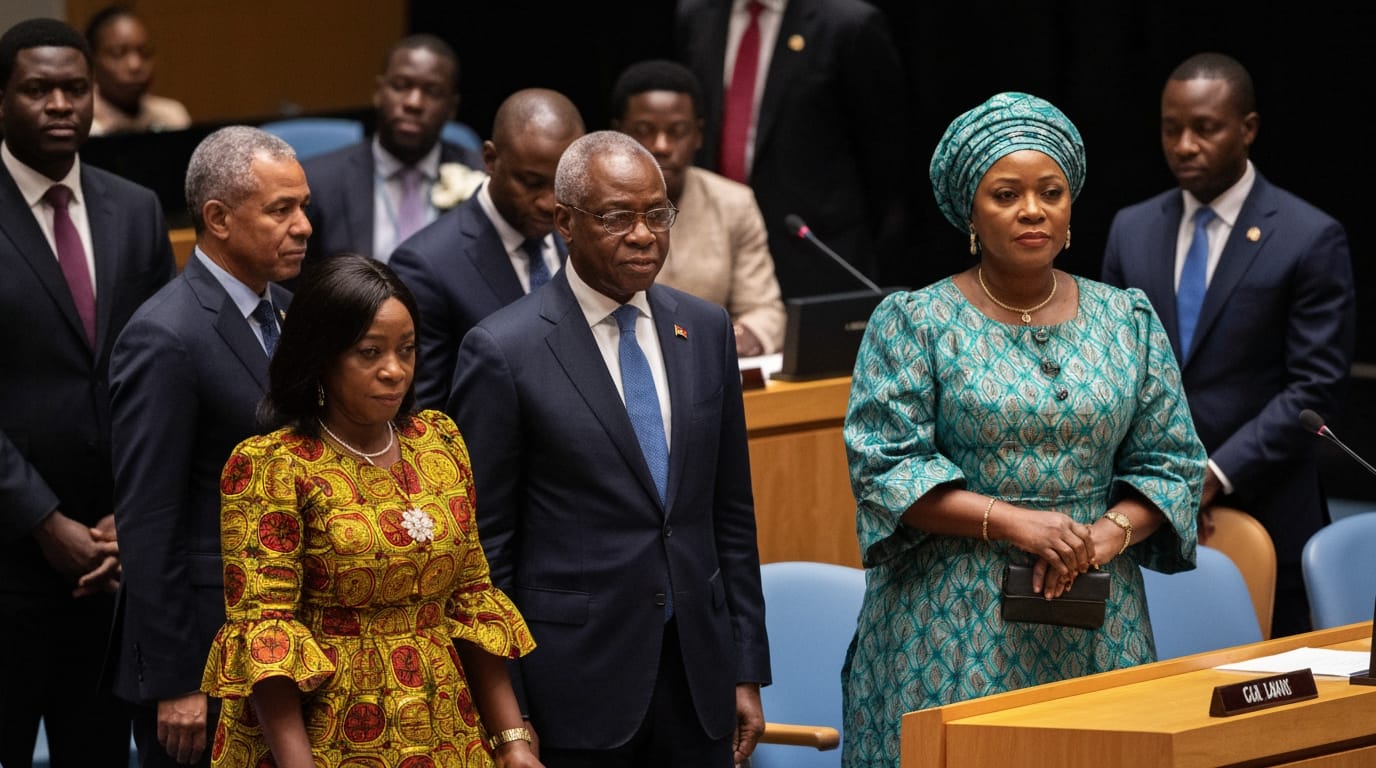
Ghana is poised to present a landmark resolution to the United Nations General Assembly in March 2026, seeking formal global recognition of the transatlantic slave trade as "the gravest crime against humanity" and a foundational act that shaped the modern world. This significant diplomatic offensive, spearheaded by Ghanaian President John Dramani Mahama and unanimously endorsed by the African Union, represents a concerted effort to address historical injustices and their enduring legacies, emphasizing truth, recognition, and reconciliation over targeting specific states.
A Defining Moment for Historical Justice
President Mahama announced Ghana's intent during the 39th Assembly of Heads of State and Government in Addis Ababa, Ethiopia, in his capacity as the African Union Champion for Advancing the Cause of Justice and the Payment of Reparations. The resolution, slated for submission to the UN General Assembly on March 25, 2026, aims to declare the trafficking and racialized enslavement of Africans as the most serious crime against humanity. This initiative is built upon a foundation of historical accuracy, robust legal principles, and a unified continental and diaspora alignment. President Mahama has stressed that the endeavor is focused on establishing truth and facilitating reconciliation, rather than singling out individual nations for blame.
Unpacking a Foundational Crime and Its Enduring Scars
The transatlantic slave trade, a brutal system spanning from the 16th to the 19th centuries, forcibly transported an estimated 12.5 million African men, women, and children across the Atlantic for enslaved labor in the Americas. This abhorrent practice generated immense wealth for colonial powers while inflicting immeasurable suffering, cultural disruption, and demographic devastation on the African continent. The proponents of the UN resolution contend that the consequences of this historical injustice continue to manifest today in structural inequalities, racial discrimination, and economic disparities globally. Acknowledging these injustices is seen as a moral imperative, providing an opportunity to affirm the truth of history and lay the groundwork for genuine reconciliation and equality. This move is not intended to erase history but to formally acknowledge its profound impact, a crucial first step toward justice.
The African Union's United Front for Reparatory Justice
The resolution from Ghana is a direct culmination of years of sustained continental efforts to elevate Africa's reparatory justice agenda on the global stage. The African Union has designated 2025 as the "Year of Justice for Africans through Reparations," marking a strategic and international commitment rather than a mere symbolic gesture. To advance this critical cause, the AU has established several key mechanisms, including the AU Coordination Team on Reparations, the AU Committee of Experts on Reparations, and a Reference Group of Legal Experts. These bodies are tasked with providing legal and technical guidance, as well as developing a coherent continental approach to pursuing redress for the legacies of transatlantic enslavement, colonialism, and apartheid. President Mahama has urged AU member states to establish national reparations commissions and to engage formally with historical perpetrator states to secure apologies, restitution, and binding agreements. The call for a "Decade of Reparations" aims to ensure sustained commitment beyond the commemorative year.
Forging Global Consensus for Recognition
Ghana's diplomatic outreach extends beyond the African continent. Plans are underway for extensive consultations in New York with influential blocs such as the Group of 77 and the Non-Aligned Movement to garner broad international support for the resolution. This strategic engagement seeks to build a formidable coalition of nations willing to recognize the transatlantic slave trade for what it was: a crime of unparalleled magnitude against humanity. Ghanaian leadership views the forthcoming UN General Assembly presentation as a pivotal moment in the broader campaign for global acknowledgment and redress of historical injustices faced by African peoples. The push for formal recognition is framed as an assertion of justice and dignity, emphasizing that reparatory justice, much like political independence, must be actively pursued and secured through unity and determination.
The upcoming presentation of Ghana's resolution to the United Nations General Assembly in March 2026 marks a watershed moment in the global discourse on historical justice. By seeking formal recognition of the transatlantic slave trade as the gravest crime against humanity, Ghana, with the full backing of the African Union, is not merely revisiting history but confronting its ongoing repercussions. This initiative aims to foster a future grounded in truth, recognition, and reconciliation, paving the way for sustained efforts towards justice, dignity, and ultimately, restitution for the enduring wounds of the past.


