Global Airlift Underway as Middle East Plunges into Conflict
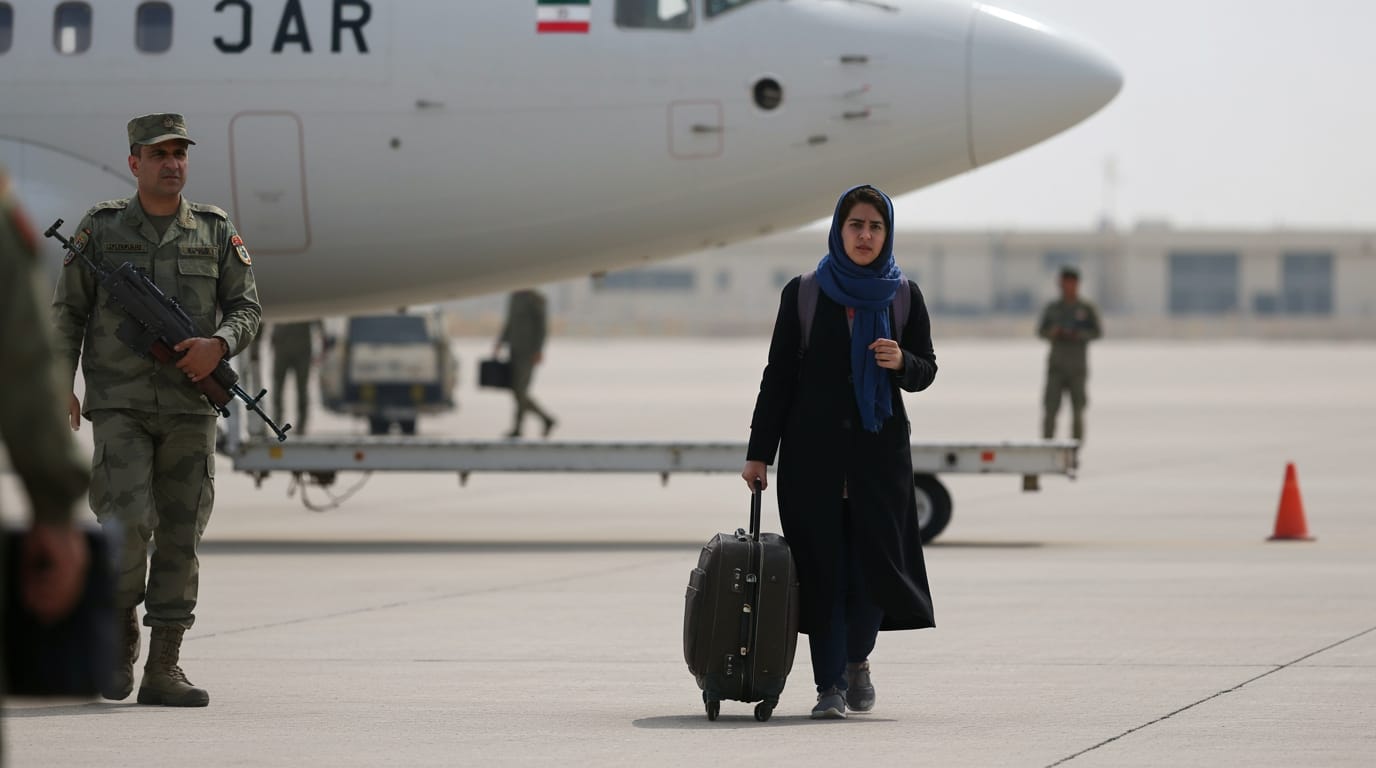
The Middle East is gripped by an escalating military conflict, triggering an urgent and complex international effort to evacuate hundreds of thousands of foreign nationals from a region now marked by closed airspaces, intensifying airstrikes, and profound uncertainty. What began on February 28, 2026, as targeted strikes by Israel and the United States against Iran has rapidly spiraled into a broader confrontation, compelling nations worldwide to initiate unprecedented repatriation flights to bring their stranded citizens home. As explosions light up the skies and travel routes become increasingly perilous, the race against time to safely extract civilians underscores the volatile nature of the unfolding crisis.
Conflict Erupts: A Region in Turmoil
The current conflagration ignited on February 28, 2026, when Israel and the United States launched coordinated military strikes against Iran. Codenamed "Operation Roaring Lion" by Israel and "Operation Epic Fury" by the United States, these initial assaults targeted key Iranian officials, military commanders, nuclear facilities, and missile sites, with the stated aim of inducing regime change and addressing concerns over Iran's nuclear program. The strikes followed a period of heightened tensions surrounding Iran's nuclear ambitions and significant internal unrest within Iran, including widespread anti-government protests that surged after the reported death of Supreme Leader Ayatollah Ali Khamenei on the same day.
Iran swiftly retaliated, launching counter-strikes against Israel, U.S. military bases across the region, and several Gulf states that host American forces. This rapid escalation has pulled in numerous regional actors, transforming the situation into a full-scale "Iran war" with far-reaching implications. The U.S. military assets in the region, including bases and naval units, have come under direct attack, further complicating the already challenging operational landscape for American forces and diplomatic missions. Reports indicate missile and drone strikes have targeted these assets, forcing the Pentagon to balance ongoing defensive operations with critical civilian evacuation efforts.
An Unprecedented Global Airlift
With the conflict rapidly expanding and airspaces across much of the Middle East either closed or deemed unsafe, international governments have initiated massive repatriation efforts. Hundreds of thousands of travelers found themselves abruptly stranded as the region's air travel infrastructure buckled under the crisis. Aviation analytics firm Cirium reported that over 23,000 of the approximately 44,000 flights scheduled to operate to or from the Middle East since the war's onset have been canceled, causing widespread disruption globally.
Nations from North America, Europe, Africa, and Southeast Asia are scrambling to charter jets or deploy military aircraft to facilitate the urgent departure of their citizens. Oman, Egypt, Saudi Arabia, and Jordan have emerged as critical transit points, serving as relatively safer hubs where aircraft can still land and take off. France, for instance, has already begun operating repatriation flights, with one carrying French citizens from Oman and Egypt landing in Paris early Wednesday. Similarly, Italy successfully evacuated a group of its students from Dubai. Beyond air travel, some 200 individuals from 16 countries managed to depart Iran by land, crossing into neighboring Turkmenistan despite its typically stringent visa policies. The United Kingdom estimates that over 130,000 British nationals have registered their presence in the affected Middle Eastern areas since the conflict began, prompting organized charter flights for their return.
Stranded Lives and Logistical Labyrinths
Amidst the geopolitical storm, individual human stories highlight the chaos and anxiety gripping those caught in the conflict zone. Cory McKane, whose short visit to Dubai turned into a desperate search for an exit, described being awakened by explosions on Saturday. Faced with severely limited commercial flight options, McKane and friends undertook a harrowing 10-hour drive in a rental car to the Oman border, ultimately securing a last-minute flight to India. His journey underscores the desperate measures many are taking to escape.
The U.S. State Department issued an urgent directive on Monday, advising American citizens to "depart now" from no less than 14 Middle Eastern countries, including Israel, Bahrain, Egypt, Iraq, Jordan, Kuwait, Lebanon, Oman, Qatar, Saudi Arabia, Syria, the UAE, Yemen, and the Palestinian territories. Assistant Secretary of State for Consular Affairs, Mora Namdar, stressed the gravity of the security situation. However, the implementation of this guidance has been fraught with challenges. While the Trump administration stated it is chartering flights from the UAE, Saudi Arabia, and Jordan for American citizens, many stranded individuals report significant difficulties and confusion. Commercial flights remain largely disrupted, and in some areas, key airports are closed, with Israel's Ben Gurion Airport not expected to reopen until next week. Reports from Dubai indicate U.S. citizens feeling "spun their wheels and getting nowhere" with official assistance, highlighting a disconnect between advisories and on-the-ground support. For the extremely wealthy, alternatives exist, with some reportedly paying upwards of 200,000 euros for luxury charter flights from less affected airports.
Regional Tremors and Global Concerns
The escalating "Iran war" has immediate and severe regional and global implications. The closure of the Strait of Hormuz, a critical chokepoint for global oil and gas shipments, has been threatened by Iran, sparking fears of a dramatic surge in energy prices worldwide. The broader economic fallout from prolonged instability in the Middle East could be substantial, affecting international trade, supply chains, and investor confidence.
Militarily, the ongoing attacks on U.S. assets signal a dangerous broadening of the conflict beyond direct strikes on Iran. Pentagon officials acknowledge the difficulty in simultaneously conducting defensive operations and facilitating civilian evacuations. The situation has also revealed divisions among international allies, with some European nations, despite condemning the initial strikes, finding themselves drawn into the deepening crisis. The rapid deterioration of security across a vast swathe of the Middle East has profoundly altered the regional geopolitical landscape, the trajectory of which remains highly uncertain.
As the conflict shows no signs of abating, the massive international effort to evacuate citizens continues, a testament to the immediate human cost of geopolitical strife. While governments work to untangle the logistical knots and secure safe passages, hundreds of thousands remain in a precarious limbo, hoping to escape a region consumed by conflict. The outcome of the military engagements and their long-term impact on global stability are yet to be determined, but for those caught in the crossfire, the immediate priority remains a safe return home.


