Global Alert: Historic El Niño Looms, Threatening Unprecedented Impacts
The world stands on the precipice of a potentially historic El Niño event, with scientific forecasts indicating a high probability of a "super El Niño" developing by late 2026 and extending into early 2027. This impending climate phenomenon, characterized by significant warming of Pacific Ocean waters, could rival some of the most powerful El Niños seen in over a century, unleashing a cascade of extreme weather, widespread ecological disruption, and substantial economic fallout across the globe. Governments, international organizations, and communities are urged to brace for far-reaching consequences, from exacerbated heatwaves and droughts to torrential flooding and threats to food security, against a backdrop of already heightened global temperatures.
The Gathering Storm in the Pacific
El Niño, Spanish for "the Christ Child," describes a natural climate pattern involving the warming of sea surface temperatures in the central and eastern tropical Pacific Ocean. This warming weakens the easterly trade winds that typically blow from the Americas towards Asia, allowing vast masses of warm water to shift eastward and fundamentally altering atmospheric circulation patterns worldwide. A "super El Niño" is an informal yet widely used term for events where average sea surface temperatures in key parts of the Pacific rise 2 degrees Celsius or more above normal.
Current projections from the World Meteorological Organization (WMO) and the U.S. National Oceanic and Atmospheric Administration (NOAA) suggest an 80% to 82% likelihood of an El Niño event forming between June and August 2026, with a 96% chance it will persist through the Northern Hemisphere winter of 2026-27. More critically, there is a 65% chance that this upcoming El Niño will be classified as strong or very strong starting in October 2026, with some models even indicating it could be the most powerful since 1877, potentially seeing sea surface temperatures in the Niño 3.4 region reach 3 degrees Celsius above average. The UN has emphasized that while uncertainty remains over its peak strength, the direction of risk is undeniable, and its consequences will be far-reaching.
Echoes of Past Giants: A Century of Impact
The history of powerful El Niño events serves as a stark warning of what may lie ahead. The 1877-78 El Niño, considered one of the strongest on record, triggered simultaneous droughts across Asia, Africa, and Latin America, contributing to a global famine that claimed an estimated 50 million lives. More recently, the 1982-83 and 1997-98 events demonstrated the immense destructive potential. The 1997-98 El Niño is regarded as one of the most powerful in recorded history, resulting in widespread droughts, flooding, and natural disasters globally. This event alone caused an estimated $5.7 trillion in global economic losses over five years, devastated 16% of the world's coral reefs, and temporarily raised global air temperatures. The 2015-16 El Niño also stood as one of the three strongest events in the last 66 years, bringing with it droughts in the Caribbean and Ethiopia, and contributing to record hurricane activity in the central North Pacific. Each of these events underscored El Niño's capacity to disrupt weather patterns, ecosystems, and human societies on a global scale.
Global Cascades: Far-Reaching Environmental and Human Costs
The environmental and humanitarian impacts of a strong El Niño are diverse and profound. One of the most consistent outcomes is a significant warming effect on the global climate. El Niño releases vast amounts of heat from the Pacific Ocean into the atmosphere, often leading to record-breaking global temperatures. With 2024 already marking the hottest year on record due in part to the 2023-24 El Niño, forecasts suggest a 73% chance that 2027 could surpass this, becoming the warmest year ever recorded. This amplified warmth, combined with existing human-induced climate change, intensifies extreme weather phenomena.
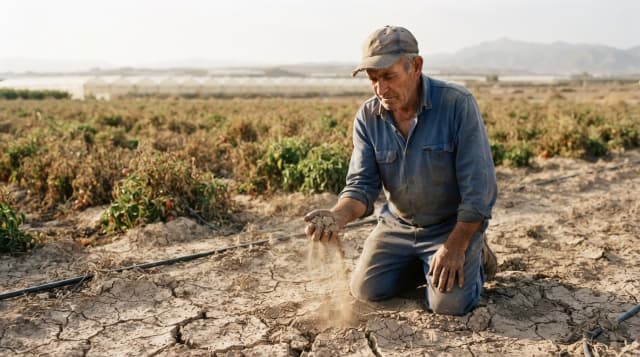
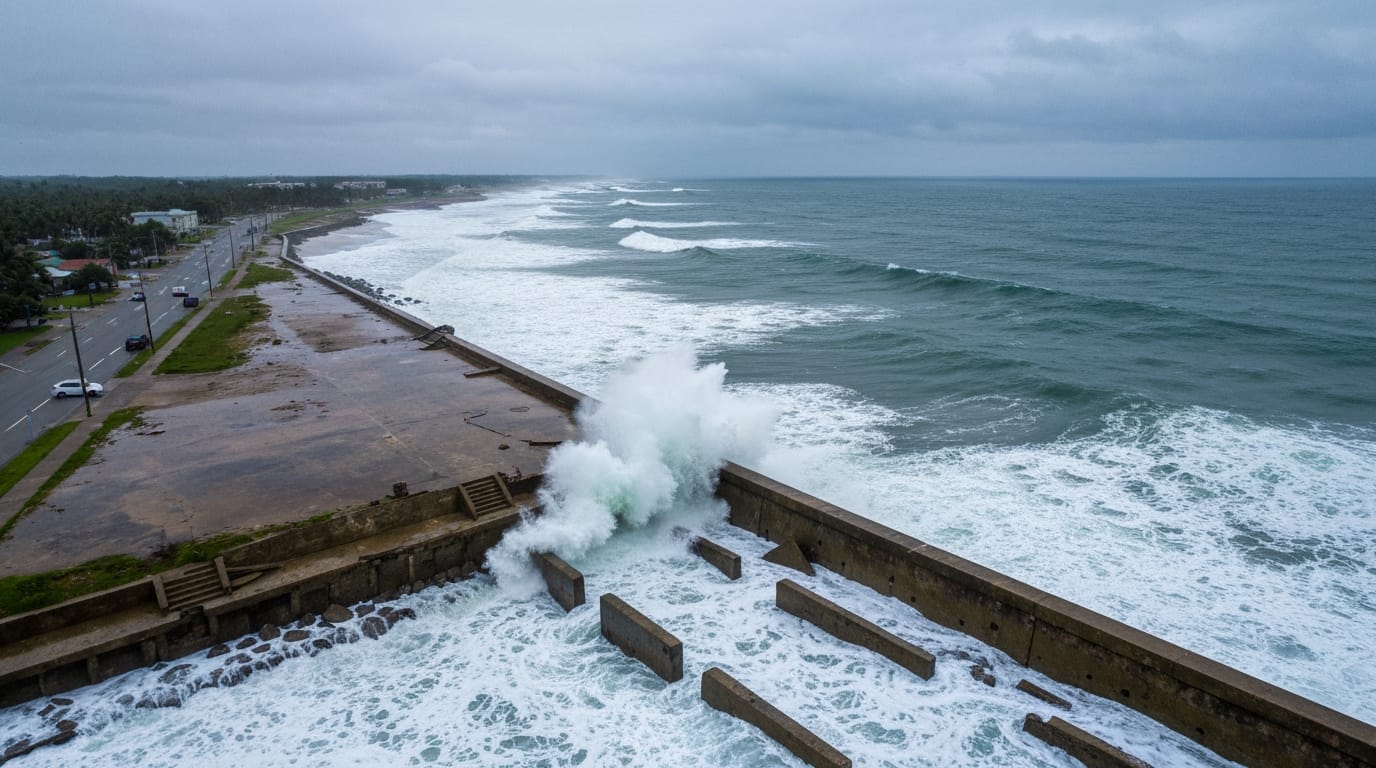
Regions typically experience distinct impacts. Increased rainfall and severe flooding are often observed in parts of South America, the southern United States, East Africa, and southern Europe. Conversely, vast areas are prone to severe drought, including eastern and northern Australia, Indonesia, southern Africa, Central America, northern South America, the Caribbean, India, and the Sahel region. These shifts in precipitation profoundly affect agriculture and food security, leading to widespread crop failures and food shortages. Commodities like cocoa and sugar are particularly vulnerable, with projected declines in production exacerbating price volatility. Marine ecosystems also suffer as warmer waters reduce the upwelling of nutrient-rich cold water, impacting fisheries and the entire marine food chain. Beyond these direct environmental consequences, strong El Niños increase the risk of devastating wildfires, particularly in areas experiencing drought, and can influence tropical cyclone activity, often enhancing it in the Pacific while suppressing it in the Atlantic. The cumulative effects of these changes threaten human health, livelihoods, and can lead to displacement.
The Economic Reckoning
The economic implications of a powerful El Niño are staggering. Past strong events have resulted in multi-trillion dollar losses globally, with impacts persisting for several years after the event itself. Dartmouth University researchers found that the global economy bled $4.1 trillion and $5.7 trillion respectively in the half-decade following the 1982-83 and 1997-98 El Niños. These losses are far greater than previous estimates that focused solely on tangible damages, as they account for broader macroeconomic impacts. Projections suggest that the global economic losses for the 21st century could amount to an astounding $84 trillion if climate change amplifies the frequency and strength of El Niño events.
The burden of these economic shocks falls disproportionately on the world's poorest nations, especially those in the tropics, where economies are often heavily reliant on climate-sensitive sectors like agriculture and fisheries. Such events can trigger economic downturns that last for years, hindering growth and exacerbating poverty. The combination of El Niño-induced supply chain disruptions, commodity price hikes, and reduced economic activity creates a complex challenge for global financial stability. The World Economic Forum warns that the forecasted El Niño could represent a "major systemic shock" to a planet already grappling with brittle food systems, fragile public finances, and stressed energy markets.
Building Resilience: A Call to Action
Recognizing the gravity of the impending El Niño, the United Nations and other international bodies have issued urgent calls for proactive preparedness. UN Secretary-General António Guterres has stressed that the world "must treat it as the urgent climate warning it is," emphasizing that early action can mitigate the severe fallout.
Strategic interventions are being implemented and advocated across various levels. At the national level, countries like the Philippines have updated comprehensive El Niño action plans covering agriculture, energy, education, health, and security. A key strategy gaining traction is "Forecast-based Financing" (FbF), which uses advanced meteorological modeling to release funds automatically and implement preventative measures before a disaster strikes, rather than waiting for post-event relief. Examples include clearing dry riverbeds and urban drainage canals in anticipation of heavy rains, providing cash transfers to vulnerable communities, distributing drought-tolerant seeds, and dispatching veterinary brigades to protect livestock.
International collaboration is vital, focusing on early warning systems that translate forecasts into actionable measures. Organizations like the Food and Agriculture Organization (FAO) are scaling up anticipatory actions, such as emergency agricultural aid, to boost local food production and build climate resilience. Cities are also investing in adaptation strategies, like heat-mapping, urban greening, and nature-based infrastructure, to manage extreme temperatures. These efforts aim to strengthen food reserves, improve water management, and stress-test critical infrastructure against climate shocks.
A Critical Juncture for Global Climate Resilience
As the scientific community closely monitors the evolving conditions in the Pacific, the high probability of a powerful El Niño presents a critical challenge for global climate resilience. While El Niño is a natural phenomenon, its impacts are increasingly amplified by human-driven climate change, leading to more intense and far-reaching consequences. The confluence of a potentially record-breaking El Niño with an already warming world underscores the urgent need for comprehensive adaptation strategies, robust early warning systems, and coordinated international action. The coming months will test the world's capacity to prepare for, respond to, and mitigate the profound impacts of a climate event that could redefine the boundaries of meteorological extremes for a generation.