Global Climate Action Faces Uphill Battle as COP30 Concludes with Divisive Outcomes
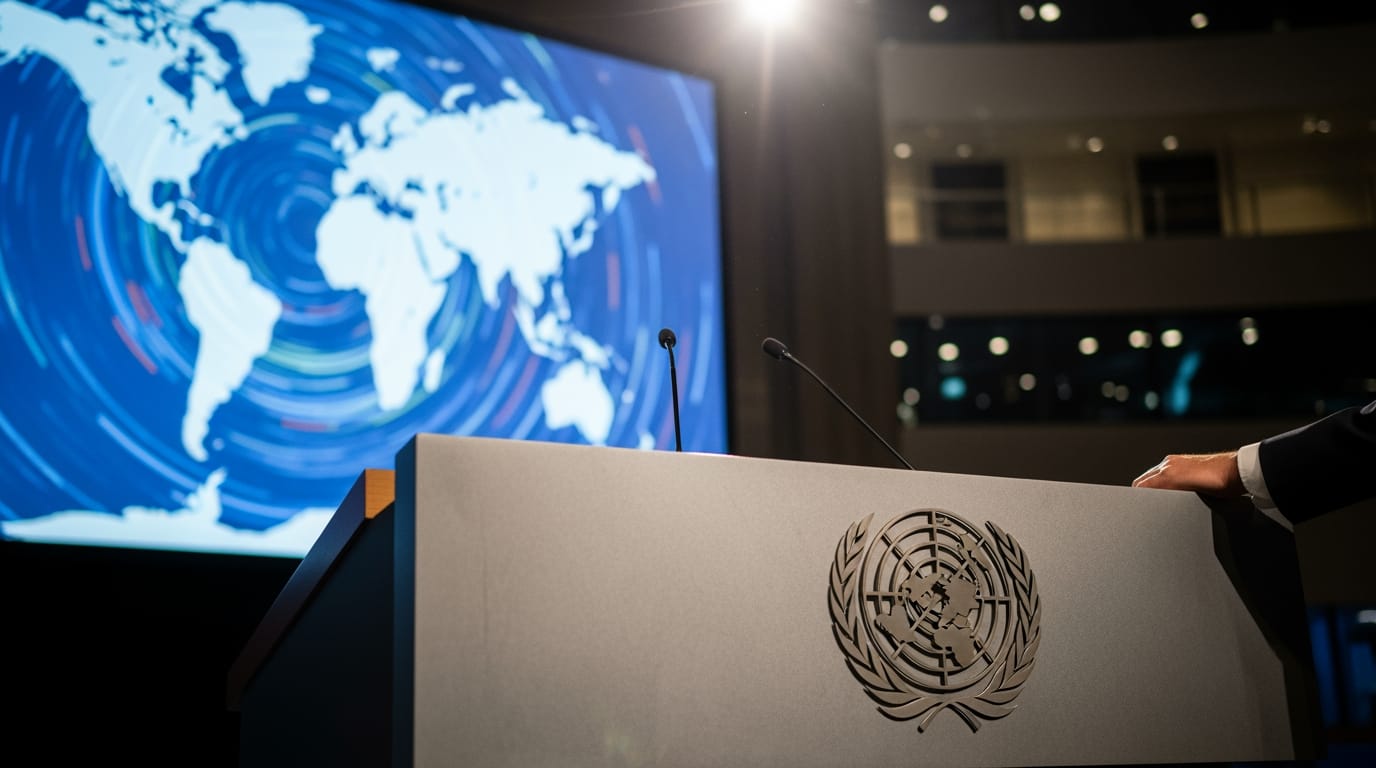
The 30th United Nations Climate Change Conference (COP30) in Belém, Brazil, concluded earlier this month, marking another pivotal moment in the global effort to combat climate change, yet leaving a landscape of both modest progress and persistent, deep-seated divisions. While negotiators reached agreements on crucial climate finance targets and adaptation strategies, the summit largely sidestepped a clear commitment to phasing out fossil fuels, highlighting the ongoing chasm between nations on critical climate action pathways. The outcomes reflect a complex interplay of national interests, scientific urgency, and the harsh realities faced by vulnerable communities worldwide.
The Belém Summit: A Compromised Consensus
After two weeks of intense negotiations, COP30 brought together nearly 200 countries to chart the next steps in fulfilling the Paris Agreement's goals. The conference, framed by its presidency as an "implementation COP," aimed to solidify the mechanisms for turning climate aspirations into tangible actions. Despite this focus, the final agreement revealed a compromise born from arduous debate, with key decisions often falling short of the ambitious calls made by many nations and environmental advocates. A significant point of contention remained the integration of a roadmap for transitioning away from fossil fuels, a measure that ultimately did not find explicit reference in the final text. This outcome left many disappointed, particularly a coalition of over 80 nations, including European Union member states, who had vigorously pushed for a stronger stance.
The Enduring Battle Over Climate Finance
At the heart of the COP30 negotiations, and indeed a recurring theme in global climate talks, was the contentious issue of climate finance. Building on commitments from COP29 in Baku, Azerbaijan, which concluded in November 2024, a new global target for climate finance was established. Developed countries pledged to channel at least $300 billion annually to developing nations by 2035 to support their efforts in mitigating and adapting to climate change. This "new collective quantified goal on climate finance" (NCQG) triples the previous annual target of $100 billion.
However, this pledge was met with considerable disappointment by developing countries, which had advocated for a much higher figure, with some groups, such as the Africa group of countries, pushing for closer to $500 billion annually and overall estimates suggesting needs of $1.3 trillion per year from various sources. Representatives from these nations argued that the $300 billion commitment, while an increase, remained insufficient to address the scale of the climate crisis they face, particularly in light of the escalating costs of climate-induced disasters and the transition to renewable energy. A further point of contention revolved around the nature of this financial assistance, with developing nations advocating for grants rather than loans, which can exacerbate debt burdens. The agreement also loosely called for raising $1.3 trillion each year from a wide range of sources, including private investment, by 2035, underscoring the vast financial scale required. The UNFCCC Executive Secretary Simon Stiell emphasized the new finance goal as an "insurance policy for humanity," highlighting its critical role in protecting people and economies.
The Unresolved Fossil Fuel Conundrum
Perhaps the most significant and disappointing aspect of COP30 for many was the failure to include a clear roadmap for curtailing the use of fossil fuels. Despite widespread scientific consensus on the necessity of transitioning away from coal, oil, and natural gas to limit global warming to 1.5 degrees Celsius, the final agreement contained no explicit reference to a full phase-out. This impasse mirrored the outcome of COP29, where no consensus on a phase-out was reached.
A coalition of more than 80 countries, including numerous EU member states and Colombia, pushed vigorously for a clear commitment to phasing out fossil fuels. However, their efforts were met with strong opposition from other nations, particularly oil-producing countries led by Saudi Arabia, which effectively blocked the inclusion of such language. Draft texts during the negotiations that explicitly mentioned the need to transition away from fossil fuels were ultimately watered down in the final version, merely acknowledging "the global transition towards low greenhouse gas emissions and climate-resilient development is irreversible and the trend of the future." This outcome was viewed by some as a significant victory for the fossil fuel industry and a stark reminder of the geopolitical complexities that impede decisive climate action.
Adaptation, Implementation, and the Path Forward
Beyond the major finance and fossil fuel debates, COP30 made some strides in other crucial areas. The conference participants agreed to open discussions on trade issues related to climate over the next three years, acknowledging the increasing interconnectedness of global commerce and environmental policy. Efforts to at least triple funding by 2035 to help vulnerable countries adapt to the effects of a changing climate were also agreed upon within the NCQG. This includes working on adaptation indicators to better measure progress and ensure that efforts effectively make communities safer.
Additionally, the summit saw the establishment of a Just Transition Mechanism, intended to support workers and communities in their shift to clean energy and a climate-resilient future, a commitment hailed as a significant win by some climate action groups. The conference also saw an increase in countries submitting new or updated Nationally Determined Contributions (NDCs), with over 122 parties submitting NDCs by the end of the conference, covering nearly 80% of global emissions. This suggests that the Paris Agreement continues to influence national climate planning, bending the global emissions curve, even if not yet enough to meet the 1.5°C target.
Conclusion: A Continuous, Challenging Journey
The conclusion of COP30 in Belém underscores the multifaceted and often fractious nature of global climate governance. While the agreement on a new, substantially larger climate finance goal provides a critical foundation for developing nations, the persistent inability to forge a clear path away from fossil fuels signals an enduring battleground in the climate struggle. The conference highlighted the growing divergence in interests and capabilities between nations, with the urgency of scientific warnings often colliding with economic and political realities. As the world looks toward COP31 in Turkey and beyond, the challenge remains for nations to transcend these divides and translate ambitious targets into equitable, decisive action that can truly safeguard the planet's future. The journey toward a sustainable world is evidently a continuous and challenging one, requiring renewed commitment and cooperation at every turn.