Global Climate Talks Conclude with Divided Stance on Fossil Fuel Future, Signaling New Diplomatic Landscape
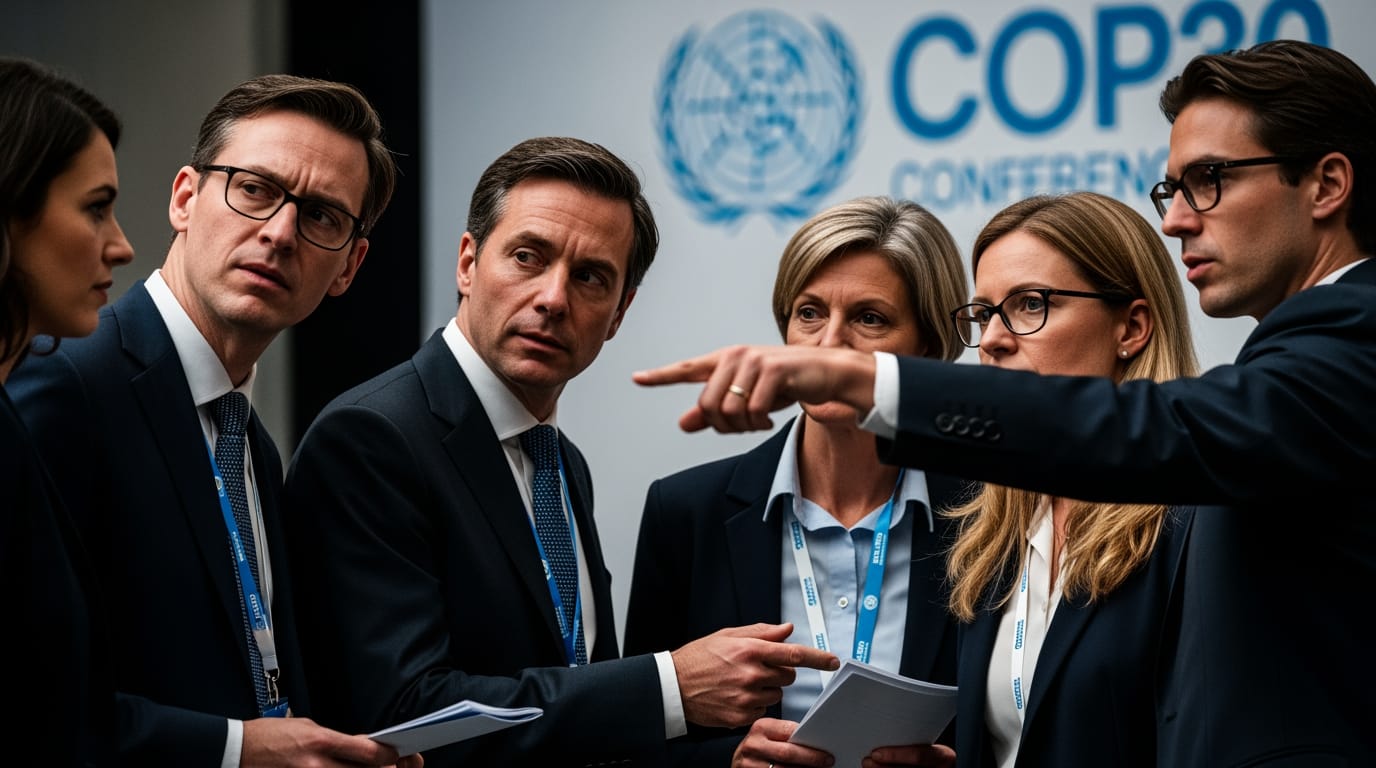
Belém, Brazil – The 30th United Nations Climate Change Conference (COP30), held in the heart of the Amazon from November 10 to 21, 2025, concluded with a complex outcome, highlighting both persistent divisions and nascent pathways on the future of fossil fuels. Despite an unprecedented push from a broad, often unexpected, coalition of over 80 nations for a concrete roadmap to phase out coal, oil, and gas, the official negotiating text stopped short of including such binding commitments, instead leading to voluntary initiatives outside the formal UN process. This development underscores a shifting climate diplomacy where, even as global consensus proves elusive, a significant bloc of countries is charting an independent course toward decarbonization.
The Formation of an Unlikely Alliance
The call for a clear fossil fuel phase-out roadmap emerged as one of COP30's most contentious issues, championed by a diverse group spanning most European Union nations, the United Kingdom, Small Island Developing States, and countries across Africa, Asia, and Latin America, including Colombia and Kenya. This coalition found an unexpected, yet critical, ally in the host nation, Brazil. President Luiz Inácio Lula da Silva, alongside Brazil's Environment Minister Marina Silva, repeatedly emphasized the urgent need to "transition away from fossil fuel dependency" and advocated for the creation of specific roadmaps to achieve this goal.
The "unexpected" nature of this alliance lay in its breadth and the prominent role of Brazil, a nation with significant oil and gas reserves and ambitions for expansion. While traditionally climate negotiations have seen clear lines drawn between developed and developing nations, or fossil-fuel producers and vulnerable states, this grouping showcased a growing recognition among varied economies that a structured exit from fossil fuels is imperative. Their collective stance aimed to build on the COP28 agreement to "transition away from fossil fuels," seeking to transform that foundational statement into actionable, time-bound strategies.
The Battle for Explicit Language
From the outset, the push for a fossil fuel roadmap faced staunch opposition. Major oil-producing nations, including Saudi Arabia and Russia, alongside other significant economies like China and India, consistently resisted the inclusion of any explicit language mandating a phase-out in the final COP30 text. Their arguments often centered on economic development, energy security, and the need for flexible "transition away" mechanisms that could potentially include "abated" fossil fuels—those combined with carbon capture and storage technologies, a concept whose definition remains debated.
The diplomatic tightrope walked by the COP30 presidency was evident. While President Lula and his Environment Minister championed ambitious climate action, Brazil's foreign ministry, Itamaraty, reportedly held reservations, aiming to balance climate commitments with the nation's burgeoning role as an oil and gas exporter. This internal tension mirrored the broader global struggle, where consensus-based decision-making at COPs often means that a small number of dissenting nations can prevent the adoption of strong, binding language. Ultimately, despite immense pressure from over 80 supportive countries, the formal "Mutirão Decision text" concluded without any direct reference to fossil fuels or a formal roadmap for their phase-out, leading to disappointment among many climate advocates and vulnerable nations.
Beyond the Formal Text: New Pathways Emerge
While the official outcome document did not contain the desired fossil fuel roadmap, the strong advocacy by the pro-phase-out coalition spurred significant action outside the formal negotiation process. In a move reflecting diplomatic ingenuity and a determination to advance the agenda, Brazil's COP30 presidency announced its initiative to develop two voluntary roadmaps: one dedicated to the transition away from fossil fuels and another focused on forest protection. These roadmaps are intended to be developed and presented at COP31, demonstrating a commitment to progress despite the lack of formal consensus in Belém.
Further underscoring this shift towards alternative avenues, Colombia and the Netherlands declared their intention to co-host the "First International Conference on the Just Transition Away from Fossil Fuels" in April 2026. This initiative provides a dedicated platform for stakeholders to discuss viable, fair, and equitable pathways for transitioning to sustainable energy, signaling a potential new multilateral forum for accelerating action on fossil fuel phase-out.
Broader Implications and COP30's Legacy
Beyond the fossil fuel debate, COP30 yielded other key outcomes. Delegates agreed on tripling climate adaptation finance by 2035, although details on funding sources remained unspecified. A Just Transition Mechanism was launched, aimed at supporting fairness in the shift to green economies, and global indicators were adopted to track adaptation progress. The conference also saw record participation from Indigenous Peoples, with Brazil recognizing 10 new Indigenous territories, highlighting the critical link between nature, climate, and human rights. Furthermore, a new international coalition, led by Brazil and including major economies like China and the European Union, formed to strengthen carbon markets, an indication of varied approaches to climate action.
The proceedings in Belém illustrated the persistent geopolitical tensions that shape global climate policy. The absence of a formal, explicit commitment to phasing out fossil fuels in the COP30 text disappointed many who view it as essential for limiting global warming to 1.5°C. However, the emergence of a robust, cross-cutting coalition pushing for this agenda, coupled with the establishment of voluntary roadmaps and alternative international conferences, signals a dynamic shift. It suggests that while consensus at the highest level of UN climate talks remains challenging, a growing number of nations are prepared to pursue decarbonization pathways through varied and, at times, unconventional collaborations, setting the stage for continued, albeit complex, climate action in the years ahead.