Global Diplomacy Takes Unprecedented Detour as G7 Summit Rescheduled for White House Octagon Showdown
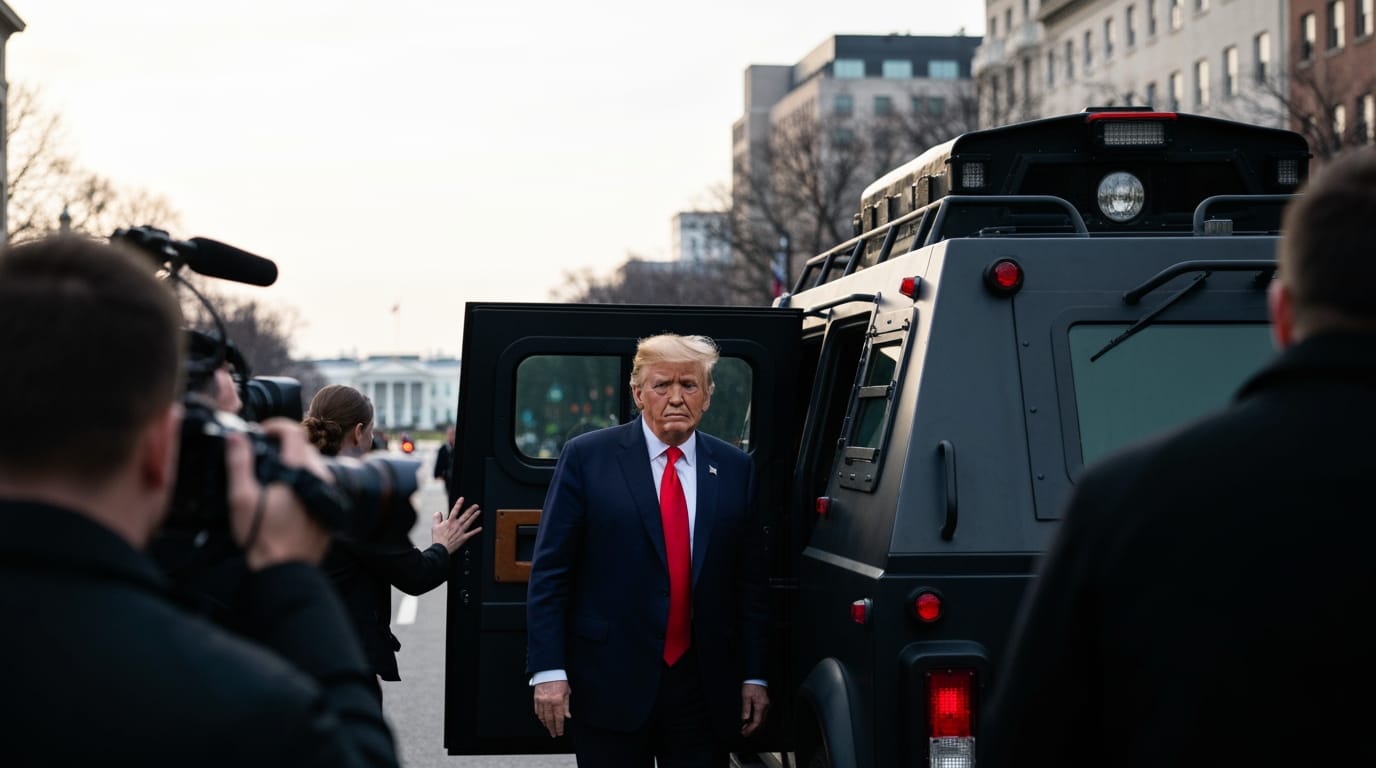
In an extraordinary turn of events highlighting the blurring lines between international statecraft and high-profile entertainment, France has reportedly rescheduled the 2026 Group of Seven (G7) summit to avoid a direct conflict with a planned Ultimate Fighting Championship (UFC) event at the White House. The unprecedented move comes as former President Donald Trump, a prominent figure in the UFC world, announced plans for a "big UFC fight" on June 14, 2026, a date coinciding with both Flag Day and his 80th birthday. Global leaders will now convene from June 15-17 in Evian-les-Bains, a day later than originally planned, as the world grapples with a diplomatic calendar reshaped by an American political spectacle.
The Unconventional Scheduling Conflict
The annual G7 summit, a critical forum for discussing pressing global economic and political issues among the leaders of Canada, France, Germany, Italy, Japan, the United Kingdom, and the United States, typically sees its dates set well in advance. Originally slated to begin on June 14, 2026, the French presidency, currently held by Emmanuel Macron, found itself navigating an unexpected diplomatic hurdle. Reports indicate that the decision to shift the summit by a day was a direct response to the White House's intention to host a large-scale mixed martial arts event on its South Lawn. While French President Emmanuel Macron's office confirmed the new schedule was "the result of our consultations with G7 partners," it notably refrained from explicitly linking the change to the UFC event. This subtle diplomatic language underscores the unusual nature of the situation, where a major international gathering is adjusted around a domestic, privately organized spectacle.
The White House Octagon: A Birthday Bash and Political Statement
The catalyst for this global scheduling adjustment is a planned Ultimate Fighting Championship event, an idea championed by former President Donald Trump. Trump publicly announced in October that a significant UFC fight would take place at the White House on June 14, 2026. UFC Chief Executive Dana White has further elaborated on the logistics, suggesting the event could draw up to 5,000 spectators to the historic South Lawn. This date holds particular significance for Trump, marking his 80th birthday and coinciding with Flag Day in the United States. The planned event is positioned not just as an entertainment spectacle but also as a celebration of America's 250th anniversary of independence, potentially featuring fireworks and weigh-ins at the Lincoln Memorial. The fusion of a high-octane sporting event with the solemn backdrop of the White House grounds represents a striking departure from traditional presidential engagements and diplomatic norms.
Implications for Diplomacy and International Relations
The rescheduling of the G7 summit to accommodate a sporting event at the White House raises significant questions about the future of international diplomacy and the perceived seriousness of multilateral forums. Critics and commentators online have widely noted the irony and perceived triviality of such a reason for altering a high-stakes diplomatic meeting, with some suggesting it reflects a "stupidest timeline" scenario. The incident highlights a growing trend where political leaders leverage popular culture and entertainment to connect with specific demographics, potentially at the expense of traditional diplomatic decorum. For the G7, a forum designed to foster unity and coordinated action among leading industrial nations, the need to adapt its schedule to a singular domestic event underscores potential challenges in maintaining focus on critical global issues.
Trump's Enduring Link to the UFC and a Precedent of Disruption
Donald Trump's association with the UFC is well-documented and spans decades, predating his presidency. He has been a regular attendee at UFC events and a long-time friend of UFC President Dana White. This relationship has often been leveraged for mutual benefit, with Trump frequently appearing at high-profile fights where he is often greeted enthusiastically by fans. The proposed White House event is not the first time Trump's actions have introduced unconventional elements into the G7 sphere. During his previous presidency, the 46th G7 summit in 2020 faced multiple postponements and eventual cancellation due to the COVID-19 pandemic, alongside controversies surrounding Trump's attempt to host it at his own resort and his suggestion to invite Russia. This pattern of intertwining personal preferences and political messaging with official state functions continues to shape the international perception of U.S. engagement on the global stage.
A New Era of Diplomatic Adaptability?
As the 2026 G7 summit prepares to convene, albeit on a revised schedule, the incident serves as a potent reminder of the evolving landscape of global affairs. The need for international bodies to adapt to the idiosyncratic demands of powerful leaders, even when those demands involve a cage match on the White House lawn, suggests a new era of diplomatic adaptability. While the formal statements from French officials maintain the rescheduling was a result of routine consultations, the underlying narrative points to a world where political events, once confined to traditional protocols, are increasingly susceptible to the influences of popular culture and personal brand. The coming years will reveal whether such accommodations become a standard feature of multilateral diplomacy or remain an isolated, albeit memorable, anomaly.