US and Ecuador Launch Joint Offensive Against Narco-Terrorism

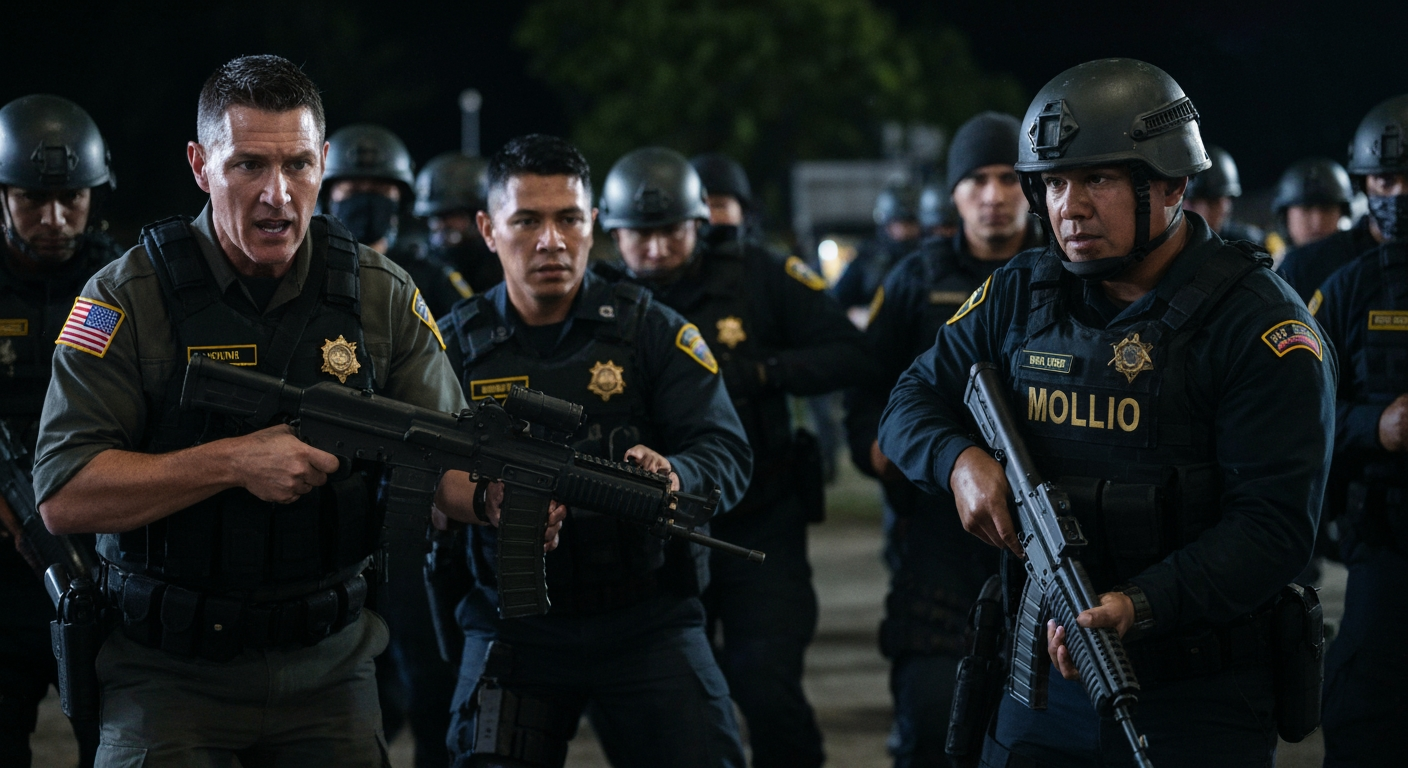
Quito, Ecuador – March 4, 2026 – In a significant escalation of regional efforts to combat illicit drug trafficking, the United States and Ecuador have commenced joint military operations targeting powerful drug cartels and designated terrorist organizations within the South American nation. The coordinated offensive, confirmed by both governments and the U.S. Southern Command (SOUTHCOM), marks a "new phase" in Ecuador's intensifying war on drugs, aiming to dismantle criminal networks that have plunged the country into unprecedented levels of violence and corruption.
The collaborative action underscores a deepening security partnership between Washington and Quito, reflecting a shared determination to confront what officials describe as "narco-terrorism" plaguing the hemisphere. With Ecuador increasingly becoming a critical transit point for cocaine originating from neighboring Colombia and Peru, the joint operations are strategically designed to disrupt supply chains, enhance intelligence sharing, and restore stability to a nation grappling with a violent internal conflict.
A United Front Against a Growing Threat
The initiation of joint operations was announced on Tuesday, March 4, 2026, by SOUTHCOM, following a declaration from Ecuadorian President Daniel Noboa that his country was entering a "new phase" in its battle against drug cartels. U.S. military command, responsible for anti-drug smuggling strikes in the Caribbean and Pacific, affirmed that the combined forces had begun operations against groups identified as terrorist organizations in Ecuador. A statement from SOUTHCOM emphasized the commitment of regional partners to combat the "scourge of narco-terrorism," asserting that "Together, we are taking decisive action to confront narco-terrorists who have long inflicted terror, violence, and corruption on citizens throughout the hemisphere."
This joint endeavor follows discussions held on Monday in Quito between President Noboa and high-ranking U.S. military officials, including US Southern Command chief Francis Donovan and Mark Schafer, head of US Special Operations in Central and South America and the Caribbean. The talks reportedly focused on plans for enhanced intelligence sharing and operational coordination specifically at airports and seaports—critical infrastructure often exploited by drug traffickers. While specific details of the ongoing operations remain confidential, the emphasis on these key transit points signals a concerted effort to choke off the flow of illicit narcotics. General Francis L. Donovan commended the Ecuadorian armed forces for their "unwavering commitment" and "courage and resolve" in confronting narco-terrorists in their country.
Ecuador's Descent into Narco-Violence
Ecuador, once considered one of Latin America's safest nations, has undergone a dramatic transformation, becoming one of its deadliest in just a few years. This rapid deterioration is largely attributable to its geographical position, sandwiched between Colombia and Peru—the world's largest and second-largest cocaine producers, respectively. An estimated 70 percent of the cocaine produced in these countries is now believed to be trafficked through Ecuador, utilizing its extensive port infrastructure to reach international markets in the U.S. and Europe.
The immense profits generated by this illicit trade have fueled a brutal turf war among rival drug cartels. These criminal organizations have unleashed widespread terror, violence, and corruption, permeating various levels of Ecuadorian society. The violence has manifested in alarming rates of homicides, extortions, and prison riots, often involving sophisticated weaponry and tactics. The economic and social fabric of the nation has been severely strained, necessitating an urgent and robust response from both national and international partners. The government's decision to designate these cartels as terrorist organizations reflects the severity of the threat they pose to national security and public order.
Strategic Cooperation and Enduring Challenges
The increased security cooperation between the United States and Ecuador has gained significant momentum since President Daniel Noboa took office in 2023. Noboa, a staunch advocate for strengthening ties with the U.S., has actively sought Washington's assistance in combating the drug menace. This partnership is seen as crucial for Ecuador, which lacks the resources and specialized capabilities to independently tackle the transnational scope and power of these criminal enterprises.
Despite previous political hurdles, such as Ecuadorian voters rejecting a proposal to reopen a U.S. military base in a November referendum, cooperation has continued to evolve. A temporary deployment of U.S. Air Force personnel to the former U.S. base in the port city of Manta in December signaled a continued U.S. presence and commitment, despite the electoral outcome. The current joint operations highlight a pragmatic approach to collaboration, focusing on actionable intelligence and coordinated military efforts rather than permanent basing. For the U.S., combating drug trafficking remains a top priority, with a long-standing policy of interdicting drug smuggling operations in the Caribbean and Pacific. This strategy is reinforced by past statements from U.S. leaders emphasizing a willingness to target drug cartels wherever they operate.
However, significant challenges persist. The deeply entrenched nature of drug trafficking networks within Ecuador, combined with the sheer volume of cocaine flowing through the country, presents a formidable obstacle. The operations will require sustained effort, adaptability, and unwavering political will from both nations. Furthermore, addressing the underlying socio-economic factors that contribute to the drug trade, such as poverty and lack of opportunities, will be essential for long-term success, complementing the immediate security objectives.
Conclusion: A Critical Juncture for Regional Security
The launch of joint anti-drug operations between the United States and Ecuador represents a critical juncture in the broader fight against narco-terrorism in Latin America. By combining resources, intelligence, and military capabilities, both nations aim to roll back the gains made by criminal organizations and reassert state control in areas destabilized by drug violence. This coordinated offensive not only seeks to stem the flow of illicit drugs but also to restore peace and security to Ecuadorian citizens who have endured years of escalating conflict.
The success of these operations will hinge on continuous cooperation, effective intelligence sharing, and a steadfast commitment to confronting a dynamic and adaptable enemy. While the immediate focus is on military interdiction and dismantling criminal structures, the long-term implications extend to bolstering regional stability and demonstrating the collective resolve of international partners against transnational organized crime. The joint effort serves as a powerful testament to the necessity of international collaboration in tackling complex security threats that transcend national borders.
Related Articles


Ratko Mladić, "Butcher of Bosnia" and Convicted War Criminal, Dies at 84
THE HAGUE, Netherlands – Ratko Mladić, the former Bosnian Serb military commander known as the "Butcher of Bosnia" and convicted of genocide, war crimes, and crimes against humanity, has died at the age of 84. Serbian...


Long-Awaited 9/11 Mastermind Trial Set for 2028, Decades After Attacks
GUANTANAMO BAY, Cuba – Nearly a quarter-century after the devastating terror attacks of September 11, 2001, a military judge has finally set a trial date for Khalid Sheikh Mohammed, the alleged mastermind behind the...