German Motorists Face Soaring Fuel Costs as Iran Conflict Ignites Global Oil Markets
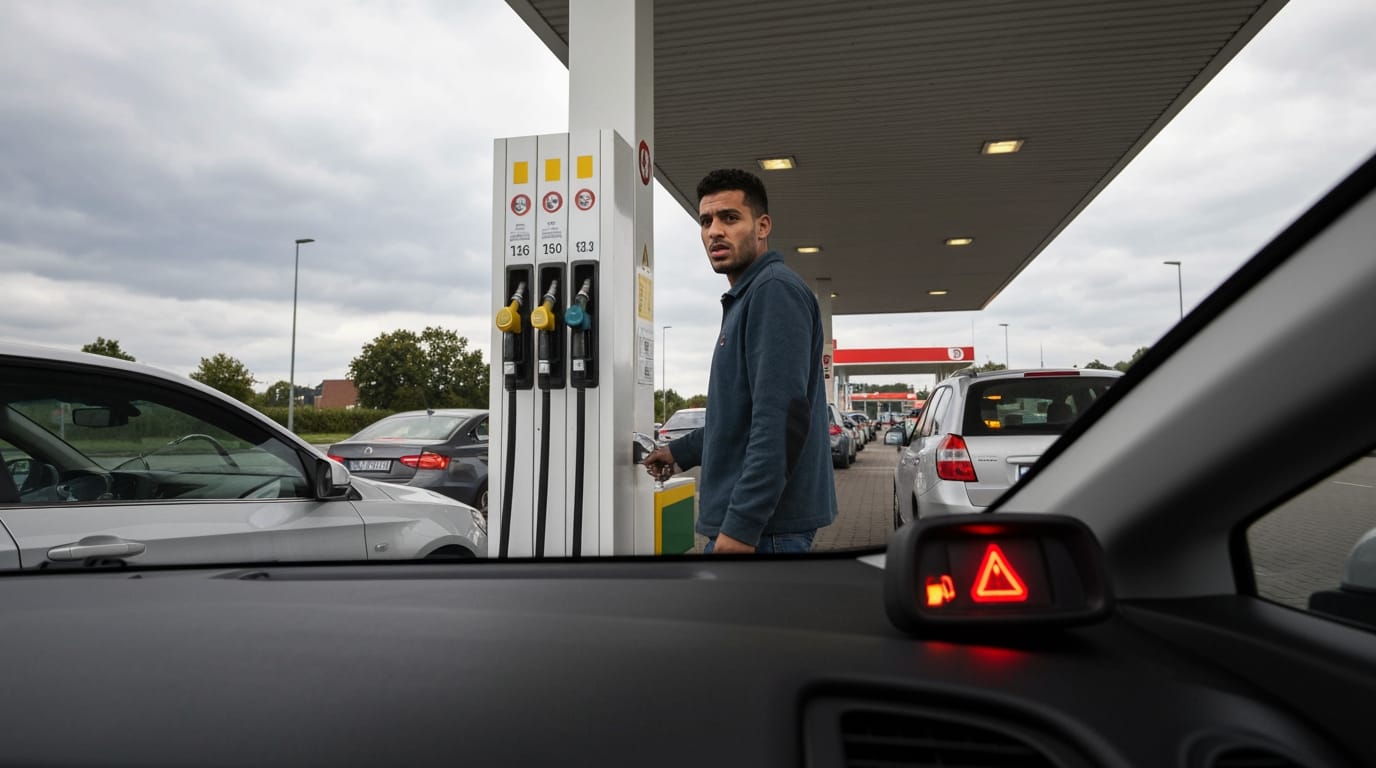
Berlin, Germany – German consumers and businesses are grappling with a sharp surge in fuel prices, as an escalating conflict involving Iran sends shockwaves through global oil markets. The latest data reveals diesel prices climbing above €2 per liter, a significant increase driven by heightened geopolitical tensions and immediate concerns over crude oil supply routes. The sudden escalation in the Middle East is not only impacting the pumps but also threatening broader economic stability in Germany, an export-driven nation heavily reliant on predictable energy costs.
The volatile situation stems from a series of US-Israeli strikes on Iran on February 28, which were swiftly followed by retaliatory missile and drone attacks from Tehran. Compounding market anxieties, Iran announced a potential blockade of the critical Strait of Hormuz, a chokepoint through which approximately one-fifth of the world's crude oil passes. This development has triggered a cascade of price adjustments, leaving German motorists and industries facing unprecedented costs.
Immediate Impact Felt at German Pumps
The repercussions of the Middle East conflict were felt almost instantly across Germany's fueling stations. As of Wednesday, March 4, the nationwide average price for diesel had surged to €2.054 per liter, translating to roughly $2.33, according to data from the German automobile club ADAC. Gasoline (E10) prices also mirrored this upward trend, reaching an average of €1.995 per liter in morning trading. The spike represents a dramatic increase from just days prior; diesel prices alone have surged by €0.31 since February 27, while gasoline has risen by €0.18 over the same period. Wholesale suppliers moved even more aggressively, lifting offers for middle distillates and gasoline by up to €16 per 100 liters on March 2 compared to February 27.
Beyond conventional fuels, the conflict has also driven up heating oil prices, with online portals reporting costs exceeding €120 per 100 liters on Monday, a significant jump from below €100 just days earlier. Furthermore, the wholesale natural gas market experienced a substantial jolt, with prices surging by 25 percent at the start of Monday's trading, marking the largest single-day increase since August 2023. This widespread price escalation underlines the interconnectedness of energy markets and Germany's vulnerability to geopolitical instability.
Geopolitical Tensions and Global Oil Dynamics
The primary driver behind these soaring prices is the escalating conflict in the Middle East and the profound uncertainty it introduces into global oil supply chains. Concerns over potential disruptions in the Strait of Hormuz are particularly acute, as any impediment to traffic through this narrow waterway could severely restrict global crude oil flows, affecting both supply and price stability. International maritime organizations have already advised vessels to avoid the Strait, a move that could further tighten European diesel supply and intensify competition for available imports.
Market observers note that the tensions have also led to partial disruptions in diesel supply channels. This physical strain on supply is amplified by speculative trading and the psychological premiums investors assign to perceived risks during such volatile periods. Prior to the most recent escalation, oil prices had already seen an increase from approximately $60 to over $70 per barrel as financial markets began to factor in the burgeoning conflict. With futures markets reacting sharply, Ice gasoil futures briefly pushed above $900 per ton on March 2, up from $752.75 per ton on February 27. Analysts suggest that further escalation could see oil prices spike to $100 per barrel, highlighting the severe market vulnerabilities.
Complicating matters for Germany, the price surges coincide with the country's refinery maintenance season. Facilities like Gunvor's 100,000 b/d Ingolstadt refinery and parts of the Bayernoil consortium's Vohburg–Neustadt complex are currently offline for scheduled works, creating additional pressure on regional supply adequacy at a time of global market volatility.
Economic Ripple Effects and the Burden on Consumers
The surge in fuel and energy prices poses a considerable burden for Germany's economy, which is characterized by its significant export sector and reliance on efficient logistics. Higher oil prices directly translate into increased transportation costs for goods, feeding into inflationary pressures across various sectors. This phenomenon, known as inflation transmission through energy costs, means that the €16 per 100 liters increase in wholesale oil products directly translates into higher operational costs for businesses and, ultimately, higher prices for consumers.
For households, the rising costs directly impact disposable income. Commuters and families face higher expenses for daily travel, potentially leading to reduced spending in other areas of the economy. Businesses, particularly those in logistics, manufacturing, and agriculture, are confronting significantly increased operational costs. Diesel trades, for instance, rose by about 10% as the agricultural sector commenced field work, indicating immediate financial strains on critical industries. The German economy's extensive network of international trade is also at risk, as any further disruption to global logistics chains—such as those seen in the Red Sea—would severely impact the German economy.
Navigating Uncertainty: Consumer Advice and Future Outlook
In the face of rapidly changing prices, organizations like ADAC are advising consumers to exercise caution and smart spending habits. The German automobile club recommends comparing fuel prices diligently, as significant variations can exist between different stations, especially during volatile periods. Additionally, an enduring piece of advice holds particularly true now: filling up in the evening often results in lower prices compared to morning hours.
While the immediate outlook remains uncertain, with market experts suggesting that price increases at the pump are typically swift, but decreases take longer to materialize, there is a glimmer of hope. OPEC+ has indicated plans to increase production volumes should the situation in the Gulf region de-escalate. However, a quick resolution or immediate price relief is not anticipated. The ongoing crisis underscores Germany's and Europe's broader energy security challenges and the continued imperative to diversify energy sources and reduce reliance on volatile fossil fuel markets.
Conclusion
The escalating conflict in the Middle East has rapidly translated into a tangible economic challenge for Germany, with fuel prices reaching multi-year highs and exerting inflationary pressure across the economy. The immediate concern revolves around the Strait of Hormuz and the specter of supply disruptions, which, coupled with domestic refinery maintenance, has created a perfect storm for price surges. While consumers are urged to adapt to the new pricing landscape through careful purchasing, the broader implications for Germany's export-driven economy and its ongoing energy transition are profound. The current crisis serves as a stark reminder of the intricate link between global geopolitics and domestic economic well-being, highlighting the enduring need for robust energy security strategies in an increasingly unpredictable world.


