US Submarine Sinks Iranian Warship in Indian Ocean, Marking First Torpedo Kill Since WWII
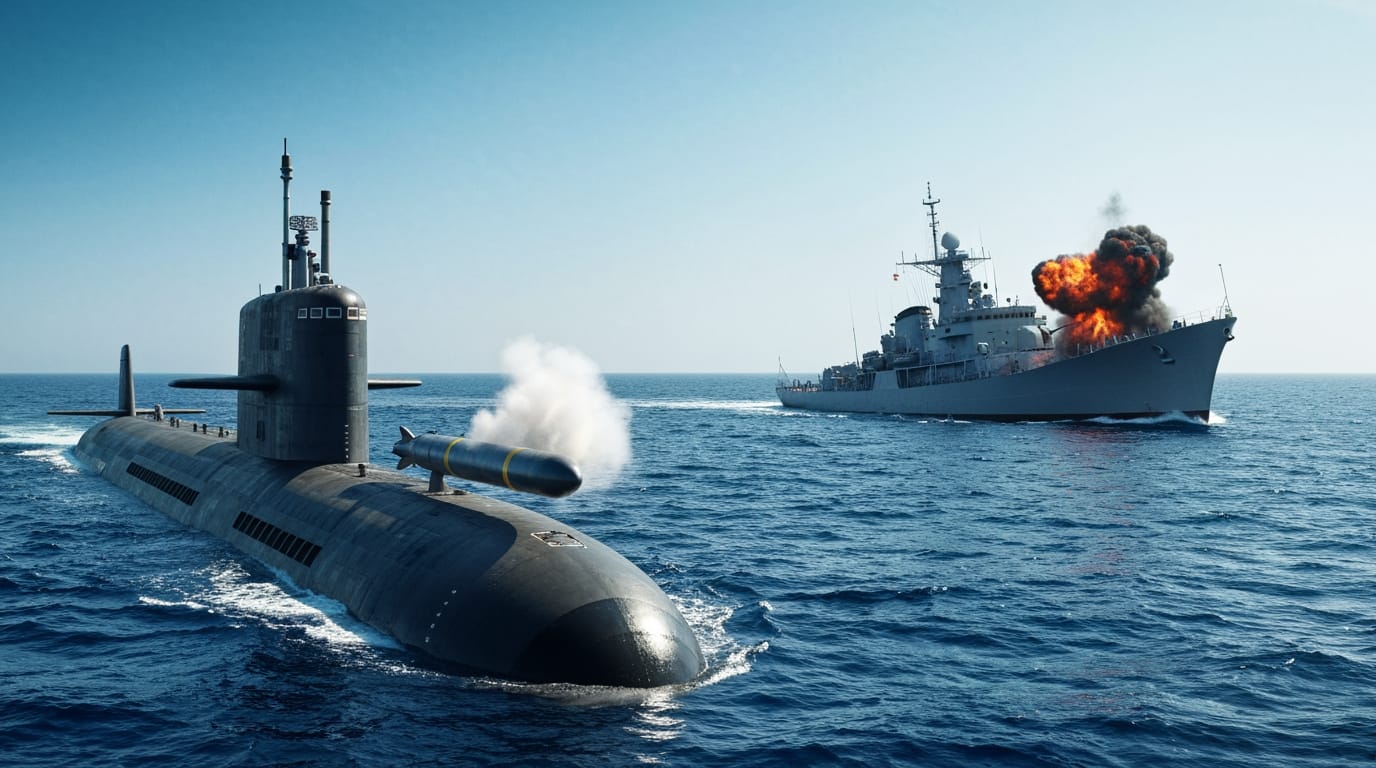
COLOMBO, Sri Lanka – A U.S. Navy submarine torpedoed and sank an Iranian warship in the Indian Ocean on Wednesday, an unprecedented act marking the first time an American submarine has destroyed an enemy vessel by torpedo since World War II. The strike, confirmed by the Pentagon, escalated tensions in an already volatile region and resulted in significant casualties among the Iranian crew.
The incident unfolded off the southern coast of Sri Lanka, approximately 40 kilometers south of the port city of Galle, plunging the international community into a state of heightened alert. Sri Lankan authorities initiated extensive rescue operations after the Iranian frigate, identified as the IRIS Dena, issued a distress call in the early hours of Wednesday morning.
The Attack and Immediate Aftermath
U.S. Secretary of Defense Pete Hegseth publicly confirmed the attack, stating, "An American submarine sunk an Iranian warship that thought it was safe in international waters." He described the strike as a "quiet death," executed by an unspecified "fast attack submarine" utilizing a single Mk 48 torpedo. This advanced heavyweight torpedo, known for its destructive power, is designed to strike below the waterline, capable of causing a ship's hull to buckle or break entirely. The Pentagon later released a video of the torpedo attack, captured through the submarine's photonics mast, showing a massive detonation at the stern of the Iranian vessel.
The IRIS Dena, a Moudge-class frigate and one of the newest additions to the Iranian naval fleet, was equipped with surface-to-air missiles, anti-ship missiles, cannons, machine guns, and torpedo launchers. It was reportedly passing by Sri Lanka, potentially returning from an international fleet review hosted by the Indian navy the previous week. The vessel’s rapid sinking left an oil slick in its wake by the time Sri Lankan rescue boats reached the site.
A Return to Submarine Warfare
This incident represents a stark historical milestone, marking the first known instance of an American submarine sinking a surface warship since World War II. Globally, it is the first such action since 1982, when the British HMS Conqueror sank the Argentine cruiser ARA General Belgrano during the Falklands War. Secretary Hegseth framed the strike as a powerful demonstration of Washington's global reach and resolve in what he termed an "expanding war against Iran," asserting, "Like in that war, we are fighting to win."
U.S. officials have indicated that the total destruction of Iran's naval capabilities is a central objective of "Operation Epic Fury," an effort that is now extending beyond the traditional confines of the Middle East. The submarine strike signals a significant escalation of hostilities, marking the first U.S. attack on Iran's military outside the Middle East since the current conflict began.
Casualties and Rescue Efforts
The human toll of the attack remains a central concern. Sri Lankan authorities reported varying figures regarding the fate of the IRIS Dena's crew. Initial reports from a Sri Lankan navy source indicated that 79 people were rescued and transported to a hospital, with 101 believed to be missing. Other reports from Sri Lankan officials stated 32 crew members were rescued, but a higher number, possibly 148, were missing, with at least 80 people feared dead. Injured sailors were receiving treatment in a hospital in the southern port city of Galle under strict security.
Sri Lanka's Foreign Minister, Vijitha Herath, confirmed that the Sri Lankan coastguard received the distress call around 5:08 AM on Wednesday. Despite declaring neutrality in the broader Middle East conflict, Sri Lanka responded under its international maritime obligations to aid those in distress at sea. Naval aircraft and patrol craft were deployed in a continuing search operation, and several bodies have since been recovered from the site.
Geopolitical Ramifications
The sinking of the IRIS Dena amplifies the already severe tensions between the United States and Iran, contributing to a volatile geopolitical landscape. The U.S. presence in the Indian Ocean, underscored by its main naval base at Diego Garcia, more than 1,000 miles from Sri Lanka, highlights the expansive reach of its military operations.
This latest incident comes amid a broader U.S.-Israeli offensive that has seen previous strikes targeting Iran's ballistic missile and air defense systems, and, according to some reports, resulted in the deaths of high-ranking Iranian officials and even the supreme leader. Iran has responded with its own missile strikes across the region, further demonstrating the dangerous tit-for-tat nature of the conflict. The destruction of one of Iran’s newest warships signals an unambiguous commitment from the U.S. to its stated objective of dismantling Iran's naval capabilities, regardless of the geographic scope.
The attack on the IRIS Dena underscores a dramatic and concerning escalation in the ongoing hostilities between the United States and Iran. With a U.S. submarine having executed a lethal torpedo strike for the first time in over 80 years, the global community watches anxiously as the ramifications of this act unfold across the Indian Ocean and beyond, raising questions about future naval engagements and the stability of international waters.


