Global Energy Crisis Deepens: Peace Deal in Iran Unlikely to Offer Immediate Relief
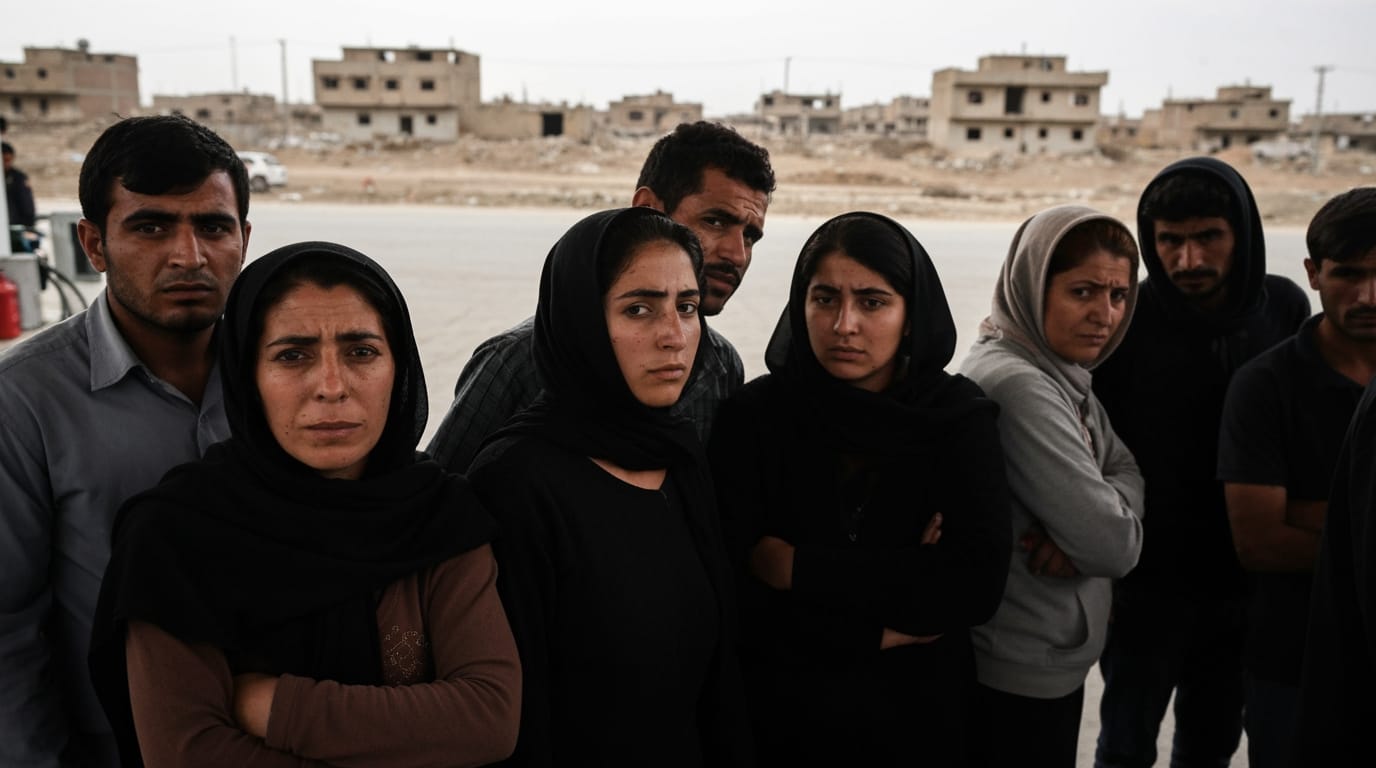
The ongoing conflict involving Iran has plunged the world into an unprecedented energy crisis, with severe disruptions to global oil and gas supplies and a sharp escalation in fuel prices. While international efforts continue to seek a diplomatic resolution, experts warn that even a swift peace deal would not be a magic bullet for the deeply wounded global energy markets, with recovery projected to take months, if not years. The International Energy Agency (IEA) has characterized the current situation as the "greatest threat to global energy security in history."
The crisis, which stems from the conflict between Iran and a U.S.-Israel coalition, has primarily manifested through the significant disruption and effective closure of the Strait of Hormuz. This critical maritime chokepoint, through which approximately 20% of the world's oil trade and 19% of global liquefied natural gas (LNG) supplies typically pass, has been a central point of contention and disruption since late February 2026. The impact has been immediate and severe, leading to soaring crude oil prices, widespread fuel shortages, and increasing risks of economic recession globally.
The Anatomy of a Deepening Crisis
Since the initial U.S.-Israel strikes on Iran in late February, and Iran's subsequent response, the global energy landscape has been dramatically reshaped. Brent crude oil prices have surged, recently climbing past $97.81 per barrel and exceeding $100 per barrel in some instances, far surpassing the inflation-adjusted average during the Iraq War. Analysts from Goldman Sachs Research estimate that traders are demanding an additional $14 per barrel to compensate for the heightened risks. The conflict has led to extensive damage to vital energy infrastructure across Iran and other Gulf Cooperation Council (GCC) countries. Notably, Iran's oil exports by sea plummeted by 93% in May, following a U.S. blockade that began in April, reducing its monthly exports from 29.7 million barrels in April to just 2.01 million barrels.
This massive disruption has taken approximately 14 million barrels per day (b/d) of oil off the market, representing about 14% of projected global supply for 2026. The cumulative loss in the global oil market has already exceeded 1 billion barrels in 2026, a volume that continues to grow daily. The shipping industry has been particularly affected, with Maersk reporting an increase of nearly $500 million per month in fuel costs due to the war. The disruption has also extended to the global distribution of petroleum products, LNG, and even urea, a crucial component for fertilizer, impacting food security worldwide.
Physical Scars and Protracted Recovery
The challenges to restoring stability in energy markets extend far beyond the immediate cessation of hostilities. Reports from the Persian Gulf detail "invisible wounds" from the conflict, including the destruction of jetty systems at Kharg Island, damage to high-tech refineries like those in Abadan, and widespread disruption of power grids. Repairing this sophisticated infrastructure is a monumental task, with recovery timelines measured in months, if not years. As one report highlighted, modern oil infrastructure is a precision-engineered ecosystem, and damaged components cannot be easily replaced.
Even if the Strait of Hormuz were to reopen tomorrow, the damage is already "baked in," and it would take years for global production to return to pre-war levels. Saudi Aramco's CEO has cautioned that if the disruption in the Strait continues beyond mid-June, the oil market may not normalize until 2027. The U.S. Energy Information Administration (EIA) also anticipates that restarting production and refining capabilities will require several months. This protracted recovery period underscores that a peace deal, while critical for humanitarian reasons, will not instantly resolve the structural deficit of nearly 9 million barrels of daily production currently missing from the global market.
Beyond Geopolitics: Deeper Market Vulnerabilities
The current crisis also exposes deeper, pre-existing vulnerabilities in the global energy system that would persist even after a peace deal. Market psychology often leads to temporary price drops following ceasefire announcements, yet the "fundamental drivers of high energy prices remain stubbornly in place." Prior to the conflict, global oil inventories were already at "really, really low levels," eliminating crucial "shock absorbers" that might have mitigated the current price surge. The risk premium embedded in oil prices, reflecting heightened geopolitical uncertainty, is unlikely to dissipate quickly, as markets demand compensation for the ongoing potential for supply disruptions.
Furthermore, the global energy market is influenced by a complex web of factors beyond the immediate Iran conflict. Geopolitical instability in other regions, decisions by OPEC+ on production levels, and the dynamics of the global energy transition all play significant roles in supply-demand balances. While an oversupply of oil had been forecast for 2026 prior to the conflict due to slower demand growth and increasing non-Middle Eastern production, the current crisis has fundamentally altered this outlook. The reliance on geographic chokepoints and fuel dependencies creates concentrated risks that no single actor can fully hedge, making the entire system susceptible to shocks.
Global Ripple Effects and the Energy Transition's Accelerated Pace
The ramifications of the ongoing energy crisis are far-reaching, impacting economies and societies worldwide. The potential for stagflation and recession has increased, with many countries already experiencing significant inflationary pressures. Beyond direct fuel costs, the disruption of fertilizer trade through the Strait of Hormuz is linking natural gas shortages to rising food prices, posing a threat to global food security. Shipping costs have soared due to increased fuel expenses and heightened maritime insurance premiums.
Developing nations in the Global South are particularly vulnerable, as they often lack the strategic petroleum reserves and financial capacity to cushion the blow of surging import costs. Countries like the Philippines and Sri Lanka have resorted to drastic measures, such as four-day workweeks, to conserve fuel.
Paradoxically, the crisis is also "supercharging" the global shift towards renewable energy. Countries are increasingly accelerating their adoption of renewable sources, recognizing that the closure of the Strait of Hormuz has transformed clean energy from a climate or consumer issue into a critical security imperative. However, this transition is not instantaneous, and many economies, including major ones like India, remain deeply reliant on fossil fuels for transportation and manufacturing, meaning clean energy investments alone do not fully insulate them from global oil market volatility.
A Long Road Ahead
The ongoing conflict involving Iran has created an energy crisis of unprecedented scale, with disruptions and damages that will reverberate through global markets for an extended period. While calls for a peace deal are urgent and necessary for regional stability, the complex interplay of physical infrastructure damage, structural supply deficits, heightened risk premiums, and existing market vulnerabilities means that a resolution to the conflict will not immediately restore pre-crisis energy market conditions. The world faces a long road to recovery, requiring not only diplomatic solutions but also a comprehensive, resilient, and diversified global energy strategy to navigate the persistent challenges ahead.