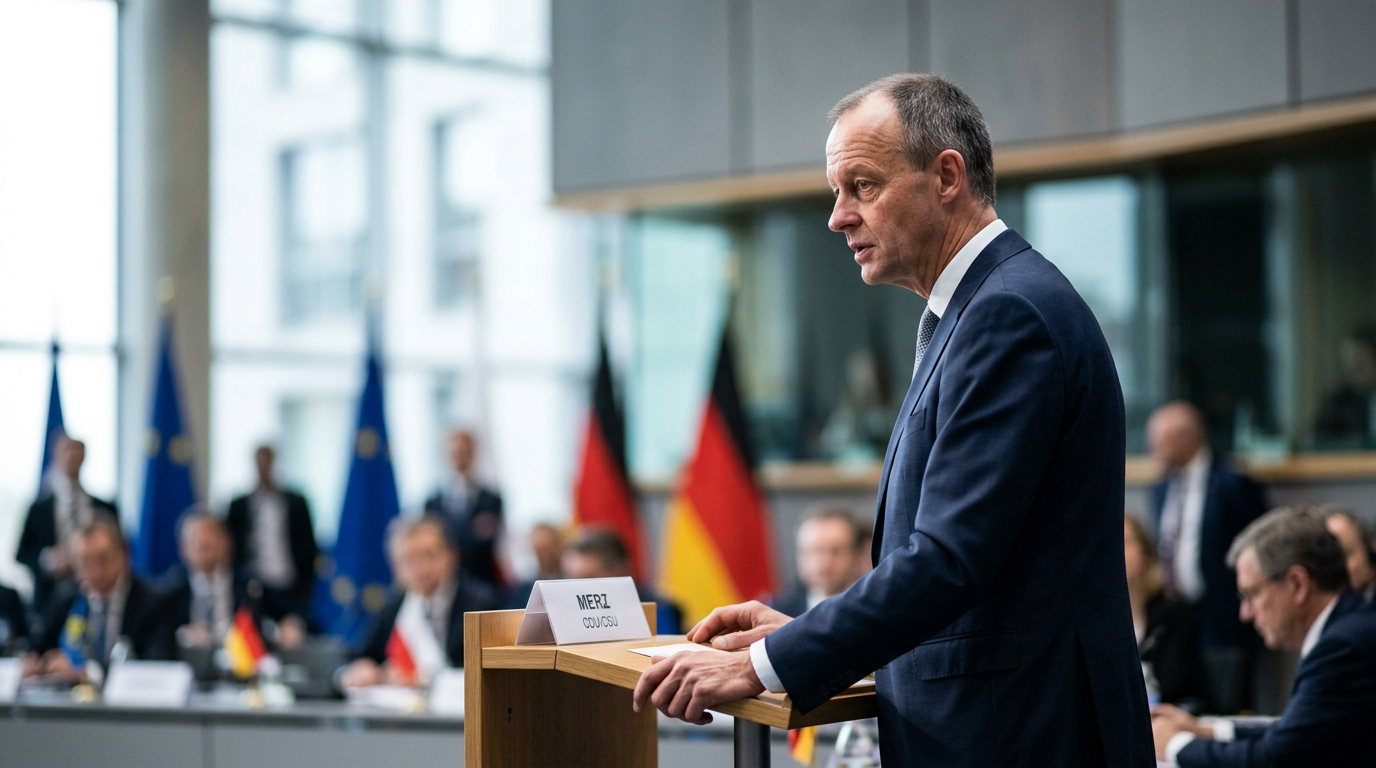
Global Human Rights System Teeters on Brink Amid Democratic Recession, HRW Warns

The global human rights system is facing an unprecedented crisis, teetering on the brink of peril as authoritarianism rises and international solidarity falters, according to recent assessments by Human Rights Watch (HRW). The human rights watchdog's annual World Reports for 2024 and 2025 paint a sobering picture of a world grappling with escalating conflicts, deepening inequalities, and a widespread disregard for fundamental rights, pushing the established framework for human protection into a "democratic recession." This stark warning underscores a critical juncture where the principles of universality and accountability, once bedrock tenets, are increasingly undermined by political expediency and unchecked abuses, with devastating consequences for populations worldwide.
A World Under Autocratic Shadow
At the core of the alarming decline is a significant rollback of democratic gains, characterized by an assertive surge in autocratic rule. Nearly three-quarters of the global population now reside under autocratic systems, a demographic shift not witnessed since the 1980s. This "growing authoritarian wave" represents a profound challenge to a generation that has largely grown up with the expectation of expanding freedoms. Philippe Bolopion, Executive Director of HRW, highlighted the escalating threat, emphasizing that the very system designed to protect human rights is currently under severe duress. Governments increasingly erode the independence of institutions vital for safeguarding human rights, simultaneously shrinking the space for dissent and free expression. This internal erosion of protective mechanisms at a national level often coincides with a diminished willingness by the international community to challenge such violations, creating a dangerous cycle of impunity.
Converging Crises: Conflict, Climate, and Inequality Fueling Abuses
The fragility of the human rights system is further exacerbated by a confluence of global crises, with armed conflicts, climate change, and widening economic disparities taking a devastating toll. The 2024 and 2025 World Reports detail horrific instances of armed conflict and humanitarian crises that have exacted immense suffering on vulnerable populations across numerous regions.
In Gaza, HRW documented a brutal blockade and unlawful acts by authorities, including actions amounting to war crimes and crimes against humanity, leading to mass displacement and suffering. The intentional targeting of essential civilian infrastructure, such as hospitals and residential buildings, left inhabitants without safe refuge. Similarly, Sudan has been plunged into chaos by ongoing conflict, characterized by an ethnic cleansing campaign in West Darfur, mass killings, sexual violence, and forced displacement. Both warring factions have reportedly perpetrated war crimes and crimes against humanity, with the international response deemed "grossly inadequate." In Ukraine, Russian or Russian-affiliated forces have been implicated in war crimes, including torture, summary executions, sexual violence, and enforced disappearances. Conflicts in Myanmar, Ethiopia, and the Sahel also continue to cause tremendous suffering, contributing to the overall deterioration of human rights globally.
Beyond conflict, the accelerating impacts of climate change are increasingly intertwined with human rights abuses. October 2023 marked the fifth consecutive month of record-breaking global temperatures, leading to an onslaught of humanitarian disasters. Wildfires, droughts, floods, and storms have wreaked havoc on millions in countries such as Afghanistan, Bangladesh, Canada, Iraq, Japan, Libya, Myanmar, Pakistan, Qatar, Russia, Saudi Arabia, and the United States. These climate-induced events exacerbate existing social, economic, and political challenges, intensify pressure on shared natural resources, and disrupt food systems, disproportionately affecting already marginalized groups.
Compounding these issues, economic inequality has surged worldwide, leading to widespread anger and leaving many struggling for basic survival. This economic strain often correlates with heightened social instability and an environment where human rights protections are further eroded.
Erosion of Universality and Accountability
A significant factor contributing to the global human rights system's precarious state is the inconsistent application of human rights principles by international leaders and institutions. HRW's reports criticize global leaders for failing to uphold universal human rights principles, often engaging in "transactional diplomacy" that prioritizes other interests over human dignity. Even governments that outwardly advocate for human rights have been accused of applying these standards weakly or inconsistently, thereby undermining the legitimacy of the entire framework. This selective engagement fosters a global perception that human rights lack universal applicability, conveniently absolving governments of their legal obligations both domestically and internationally.
Technological advancements, while offering potential benefits, have also emerged as tools for repression. The proliferation of sophisticated new technologies, such as generative artificial intelligence, has enabled governments to implement pervasive surveillance, execute internet shutdowns, and employ facial recognition technologies. These tools are increasingly used to stifle dissent, curtail the activities of human rights defenders and journalists, and limit freedom of expression, further consolidating autocratic control.
The United States, despite its historical role in establishing the global rules-based international order, has also faced scrutiny. HRW's findings point to persistent human rights challenges within the U.S., including issues of racism, anti-immigrant sentiments, and threats to democratic processes. Concerns include rising economic inequality, a dramatically increasing incarceration rate with Black individuals disproportionately represented, and state-level restrictions on reproductive care and LGBTQ+ rights. Furthermore, the U.S. foreign policy has been noted for undermining its stated commitment to human rights by providing military assistance to states known for abuses.
The Human Cost and the Imperative for Action
The consequences of this global backsliding are profoundly felt by individuals and communities, particularly marginalized groups including women and girls, LGBTQI+ individuals, disabled persons, older populations, and ethnic and religious minorities. These groups often bear the brunt of policies aimed at curbing their rights, facing entrenched discrimination and violence. Every instance where universal human rights principles are disregarded carries a tangible cost—in freedoms, livelihoods, health, and, tragically, often in lives. Human rights crises are not spontaneous occurrences; rather, they are the culmination of unchecked abuses and governmental failures to meet legal obligations, leading to widespread instability and discontent.
Despite the grim outlook, HRW emphasizes that a retreat from human rights protections is not an option. Instead, the current global climate necessitates a renewed and urgent commitment from governments to respect and defend universal human rights with greater rigor. Civil society organizations and individuals also play a critical role in steadfastly holding power structures accountable. The path forward requires a collective recommitment to the fundamental principles enshrined in international human rights law, ensuring that the dignity and rights of all people are universally protected, not merely selectively applied. Without such a concerted effort, the peril to the global human rights system will continue to deepen, threatening the foundations of justice and peace worldwide.
Related Articles

Ratko Mladić, "Butcher of Bosnia" and Convicted War Criminal, Dies at 84
THE HAGUE, Netherlands – Ratko Mladić, the former Bosnian Serb military commander known as the "Butcher of Bosnia" and convicted of genocide, war crimes, and crimes against humanity, has died at the age of 84. Serbian...

Long-Awaited 9/11 Mastermind Trial Set for 2028, Decades After Attacks
GUANTANAMO BAY, Cuba – Nearly a quarter-century after the devastating terror attacks of September 11, 2001, a military judge has finally set a trial date for Khalid Sheikh Mohammed, the alleged mastermind behind the...