Global Hunger Crises Go Unseen: Analysts Point to Media's Troubling Neglect
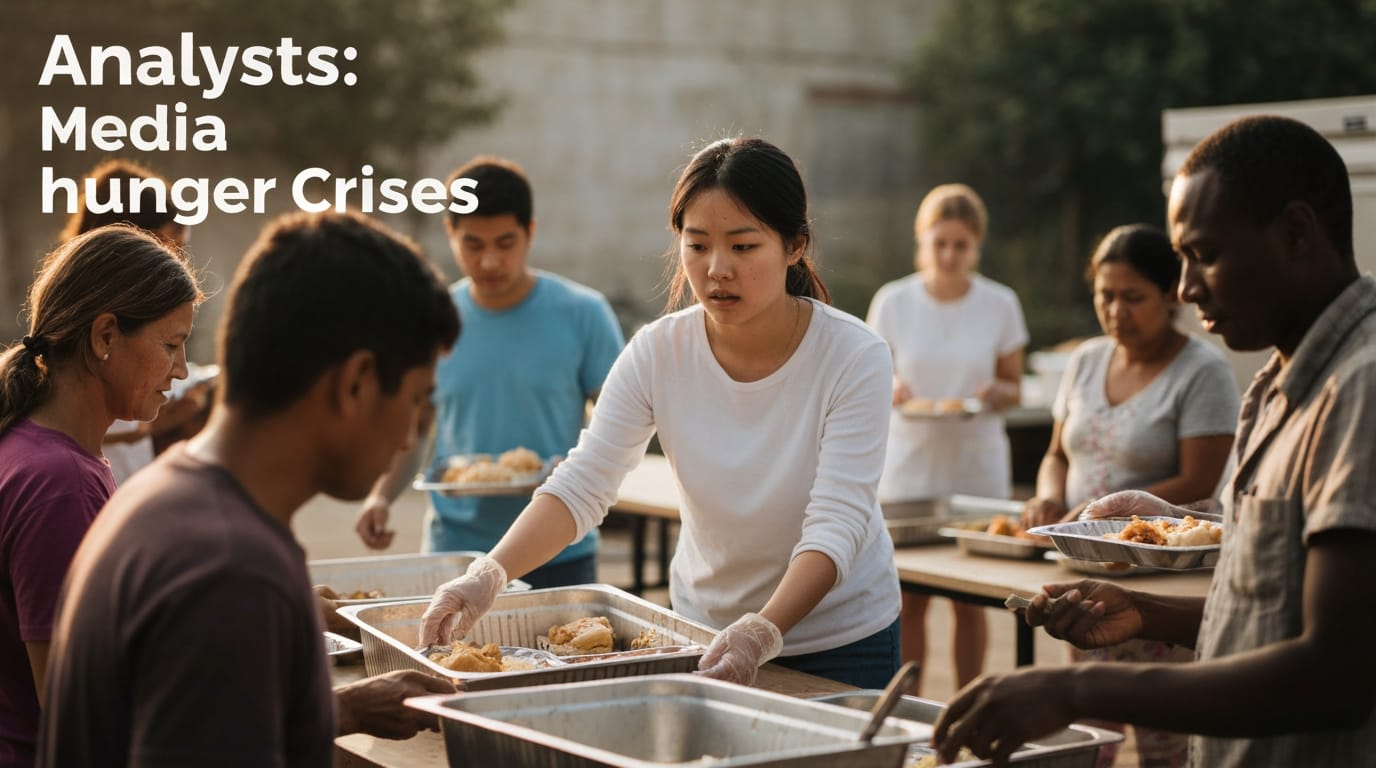
A silent catastrophe is unfolding across the globe, yet its urgency remains largely unheard amidst the cacophony of daily news. Despite millions facing acute food insecurity and starvation, analysts contend that mainstream media consistently underreports and misrepresents the severity of these crises, leaving vast swathes of human suffering in the shadows and hindering effective international response. This critical oversight, driven by a complex interplay of economic pressures, journalistic biases, and access limitations, has profound implications for humanitarian efforts and the lives of the world's most vulnerable populations.
The Invisible Scourge: A World Grappling with Unseen Hunger
The numbers paint a stark picture: an estimated 673 million people experienced hunger in 2024, a figure that, while showing a slight decrease from the previous year, remains significantly above pre-pandemic levels. The global food crisis has seen 335 million more people affected in 2024 compared to 2019, before the onset of COVID-19. Alarmingly, 2.83 billion individuals cannot afford a healthy diet, underscoring a fundamental inequity in food access. These figures represent a daily reality for one in twelve people globally, yet their plight rarely commands sustained media attention.
While some regions, such as Southern Asia and Latin America, have seen modest improvements in the prevalence of undernourishment, Africa and Western Asia continue to witness a troubling rise in hunger. Projections indicate that nearly 60% of the 512 million people chronically undernourished by 2030 will reside in Africa. Beyond chronic hunger, acute food insecurity has escalated, with nearly 282 million people in 59 countries requiring urgent assistance in 2023, an increase of 24 million from 2022.
Among the most egregious examples of underreported suffering is Sudan, where a conflict erupting in April 2023 has led to what the United Nations has termed the "world's worst humanitarian disaster". With 25 million people facing hunger and 21 million experiencing acute food shortages, analysts describe an unprecedented "disconnect between the scale of a crisis and the scale of media coverage". Similarly, in Gaza, despite international warnings of a "worst-case scenario of famine" and hundreds of malnutrition-related deaths, including children, media coverage has often been criticized for either ignoring the situation or framing it as a debatable issue.
Why the Silence? Unpacking Media's Blind Spots
Analysts point to several systemic issues contributing to the media's neglect of pervasive hunger crises. Financial struggles within newsrooms often mean fewer resources are allocated to in-depth, on-the-ground reporting, particularly in dangerous and complex regions. This scarcity of resources often forces news organizations to prioritize stories deemed to have "greater strategic importance to the West," such as conflicts in the Middle East or Eastern Europe, overshadowing equally dire situations elsewhere.
Furthermore, the framing of food insecurity by the media plays a crucial role. Coverage frequently narrows the definition of the problem to food bank usage and its physical health consequences, while structural causes like inadequate wages, welfare issues, and systemic inequalities receive less scrutiny. Solutions presented often lean towards charitable aid rather than advocating for comprehensive policy changes, potentially undermining long-term effectiveness. A critical concern raised is the media's reluctance to use strong, legally precise terms like "famine" or "starvation," opting instead for softer language such as "food depletion" or "nutrition crisis." This linguistic softening, some argue, can inadvertently depoliticize humanitarian disasters, limiting public empathy and hindering a robust call for action.
Access to information and independent reporting is another significant hurdle. In conflict zones like Gaza, severe limitations on foreign press access mean that reporting largely relies on official narratives or is filtered through local, often imperiled, journalists. This "press blockade" can effectively obscure the realities on the ground. Additionally, a journalistic commitment to "balance" can, in some contexts, lead to an "ethical failure," where counter-narratives from implicated governments or entities are presented without adequate challenge, even when faced with overwhelming evidence of humanitarian crises. This practice risks legitimizing narratives that downplay the severity of the crisis and deflect responsibility.
The Profound Consequences of Underreporting
The media's insufficient coverage of hunger crises carries severe ramifications. A lack of prominent and consistent reporting contributes to reduced public empathy and solidarity, which is vital for mobilizing support and resources. When the scale and urgency of a crisis are not adequately communicated, public pressure on political leaders to act diminishes.
This often translates directly into underfunded humanitarian responses. Crises that fail to capture the media spotlight frequently struggle to secure the necessary international aid, as seen in Sudan, where the humanitarian response remains "underfunded" despite the massive scale of suffering. The focus on immediate, charitable interventions, rather than systemic issues, can hinder the development of effective, long-term policies needed to address the root causes of hunger, thereby perpetuating cycles of poverty.
Moreover, the nuanced understanding required for policy change is often lost. With poverty, conflict, and climate change identified as primary drivers of hunger, a media discourse that delves into these interconnected factors is essential. Conflict, for instance, is cited as the biggest cause of hunger globally, affecting 85% of people in hunger crises by disrupting agriculture, displacing populations, and destroying infrastructure. Without media shedding light on these complex dynamics, solutions remain superficial and largely ineffective.
A Call for Greater Scrutiny and Sustained Coverage
The media holds a powerful position in shaping public understanding and influencing policy. Its ideal role includes building awareness, influencing public opinion, providing information for informed decisions, and holding policymakers accountable for their commitments to food security. However, current practices often fall short of this ideal.
To accurately reflect the global hunger reality, a significant shift in journalistic priorities is needed. This would involve dedicating more resources to covering less "newsworthy" regions, fostering deeper journalistic expertise on food security issues, and challenging frames that simplify or de-emphasize the scale of human suffering. More consistent, in-depth, and unflinching reporting that highlights the structural causes of hunger, provides platforms for the voices of those affected, and critically examines policy responses is essential. Such a shift is not merely a journalistic imperative but a humanitarian necessity. By bringing these invisible crises into the light, the media can reignite public concern and galvanize the political will required to achieve the elusive goal of zero hunger for all.


