Global Oil Markets Reel as Iran Escalates Shipping Attacks, Fueling Price Surge and Economic Uncertainty
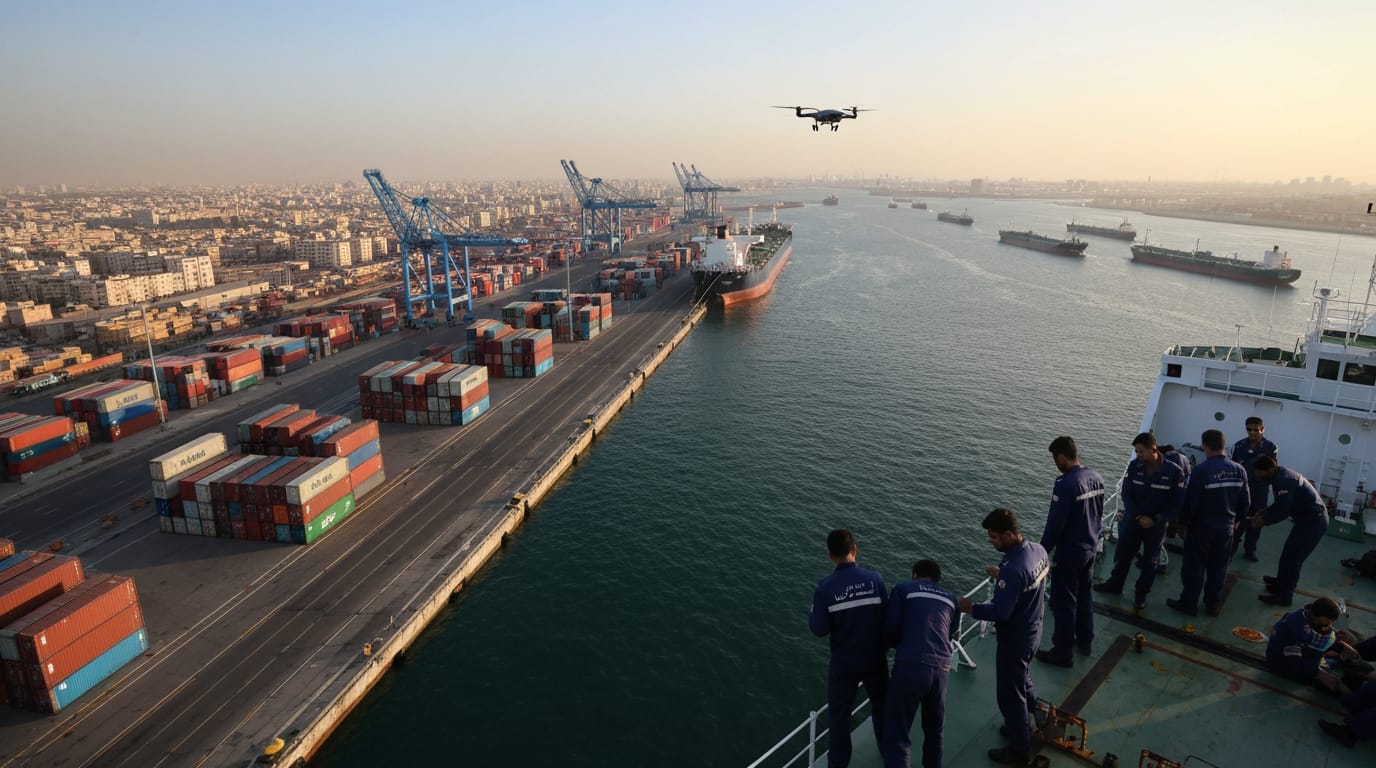
NEW YORK, NY – Global oil prices have witnessed a dramatic surge, pushing Brent crude above $100 per barrel and West Texas Intermediate (WTI) crude near $95, as Iran intensifies its attacks on commercial shipping in vital Middle Eastern waterways. This alarming escalation, occurring within a broader regional conflict involving the United States and Israel, has thrown global energy markets into disarray and raised significant concerns about economic stability worldwide.
The recent spike in oil prices reflects mounting anxieties over supply disruptions, particularly through the Strait of Hormuz and the Red Sea. Brent crude futures jumped over 9% to $100.52 per barrel, while WTI crude rose 8.8% to $93.67 per barrel on Thursday alone. Earlier in the week, Brent had briefly touched $119.50 per barrel. American crude saw a 36% increase to $90.90, and Brent climbed 27% to $92.69 over a single week, illustrating the rapid deterioration of market conditions. Overall, oil prices have rocketed by approximately two-thirds since the beginning of the year, accelerating significantly after the US and Israeli strikes on Iran that commenced on February 28.
Strategic Chokepoints Under Siege
The renewed focus on maritime security stems from Iran's escalated tactics, directly targeting shipping lanes and facilities crucial for global energy transport. The Strait of Hormuz, a narrow passage between Iran and Oman, has become a primary flashpoint. This waterway is exceptionally vital, accounting for approximately 20% of the world's daily oil supplies and one-quarter of all oil traded by sea. Reports indicate that marine traffic through the Strait has "nearly ground to a halt" or "stalled completely," with operators forced to anchor vessels rather than risk transit. Recent incidents include Iranian forces setting a Thai cargo ship on fire and attacking two international oil tankers near Iraq and Kuwait, with Iraqi channels attributing these strikes to Iran. In a precautionary measure, Oman has also evacuated all vessels from its key oil export terminal at Mina Al Fahal.
Further compounding the crisis are the ongoing attacks in the Red Sea and the Bab el-Mandeb Strait by Yemen's Houthi rebels, a group extensively supported by Iran. Since November 2023, these attacks have severely disrupted traffic flowing through the Suez Canal, a conduit for about 12% of global trade and a significant volume of seaborne oil and liquefied natural gas (LNG). Major shipping and oil companies, including Maersk and BP, have suspended operations in the area, rerouting vessels around the longer, more costly Cape of Good Hope. The White House has confirmed Iran's "deep involvement" in planning Houthi attacks, providing essential weaponry, funding, training, and tactical intelligence.
Economic Fallout and Global Ripple Effects
The economic repercussions of these escalating maritime threats are already being felt globally. The primary concern is the significant disruption to the global oil supply, which is driving up crude prices. Beyond the immediate increases, the diversion of ships around Africa adds approximately two weeks to transit times and can incur an additional $1 million in fuel costs per voyage. Insurance premiums for vessels traversing the Red Sea have skyrocketed, increasing nearly tenfold since the attacks began.
These heightened operational costs and delays are translating into broader supply chain disruptions, increased inflation, and a looming threat of a global recession. Consumers in the United States are already experiencing the impact, with gasoline prices surging 16% in a single week to an average of $3.48 per gallon. The energy crisis extends beyond crude oil, with reports of Qatar's LNG facilities being hit and Kuwait reducing oil production as a precautionary measure, further tightening global energy supplies. Oil and gas are not merely fuels but also crucial raw materials for numerous products, including fertilizers, signaling potential impacts on food costs as well.
Geopolitical Tensions and International Response
The current escalation is deeply rooted in the complex geopolitical landscape of the Middle East, particularly the ongoing conflict involving the US, Israel, and Iran, which intensified around late February 2026. The Houthi rebels explicitly link their attacks to the war in Gaza, asserting that their actions will continue until a ceasefire is implemented. While they claim to target Israeli-linked vessels or those destined for Israeli ports, "innocent" ships have also been struck.
Iran views its support for groups like the Houthis as a strategic move to protect its regional gains and expand its influence through what it terms the "Axis of Resistance." This strategy aims to leverage disruptions in critical maritime chokepoints, such as the Bab el-Mandeb and the Strait of Hormuz, to pressure adversaries.
In response to these threats, international efforts are underway to mitigate the crisis. The United States has led "Operation Prosperity Guardian" in the Red Sea, a multinational naval coalition aimed at protecting commercial shipping. Additionally, the US and UK have conducted airstrikes against Houthi military infrastructure in Yemen. To stabilize volatile energy markets, the International Energy Agency (IEA) has agreed to release a record 400 million barrels of oil from strategic reserves, with the US contributing a significant portion of this release.
An Uncertain Outlook
Despite these international responses, the outlook remains highly uncertain, with continued volatility expected in oil markets. While some forecasts suggest Brent crude could remain above $95 per barrel for the next two months before potentially declining later in the year, these predictions are heavily contingent on the duration and intensity of the Middle East conflict. Analysts warn that a prolonged escalation could drive oil prices even higher, with some speculating they could reach $150 to $200 per barrel.
The ongoing attacks underscore the fragility of global supply chains and the profound interconnectedness of geopolitical events with worldwide economic stability. As the conflict continues to unfold, the world watches closely for any signs of de-escalation that could alleviate the pressure on energy markets and avert a deeper economic crisis.


