Global Turmoil Takes Center Stage as Venice Film Festival Leans Into Geopolitical Conflict
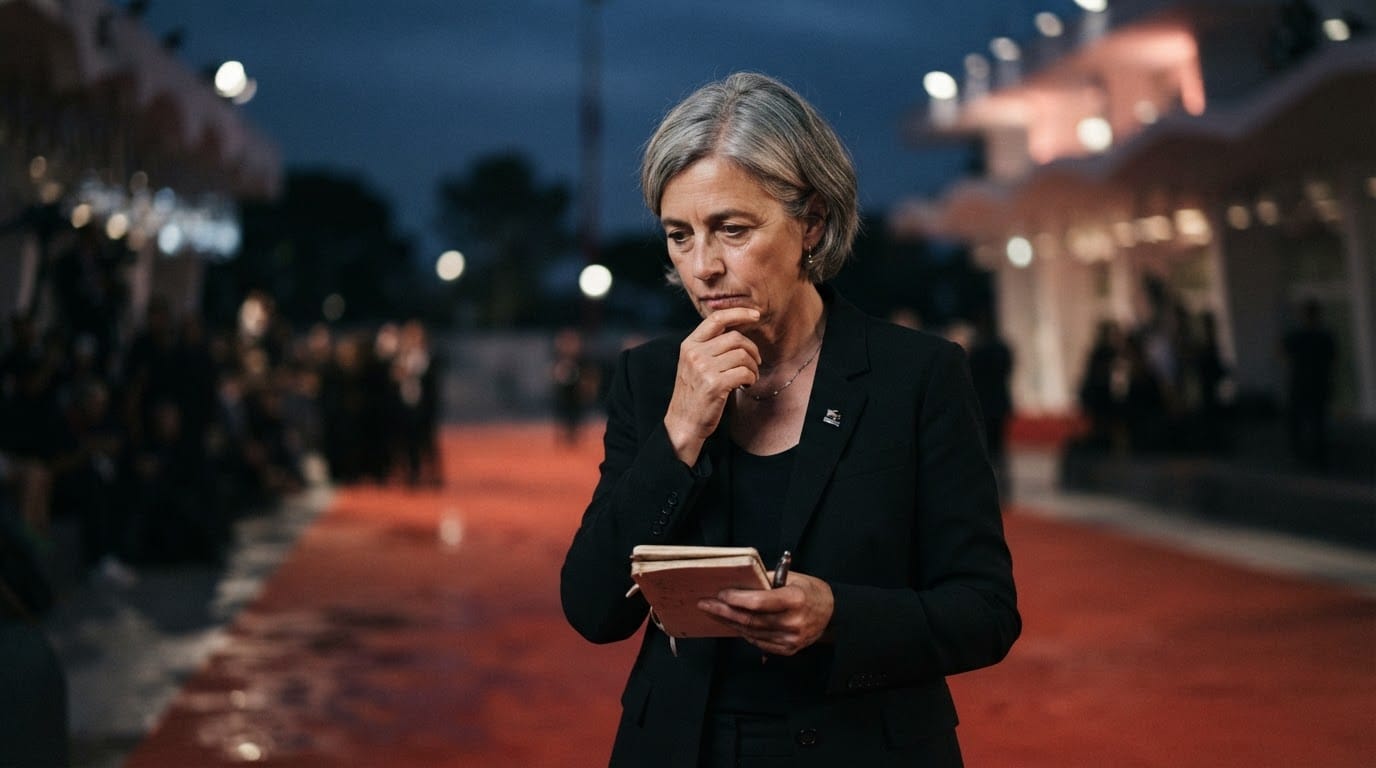
The glitz of the Venetian red carpet yielded ground to international diplomacy and protest on the Venice Lido, where the world’s oldest film festival became an arena for fierce geopolitical debate. Rather than serving solely as a launchpad for Hollywood glamour and prospective awards contenders, the festival featured heated demonstrations, disputed entries, and an official lineup dominated by contemporary wars and social crises. The shifts reflect a broader pattern across the international festival circuit, where global conflicts have increasingly challenged the line between artistic expression and direct political intervention.
Cinema Confronts Conflict on the Screen
The official selection underscored a deliberate focus on current crises. Documentaries and feature films addressing the war in Gaza, the ongoing conflict in Ukraine, the rise of authoritarian movements, and contemporary migration debates occupied prime slots in the competition.
Audiences inside the Palazzo del Cinema responded with emotional demonstrations. Premiere screenings of films focused on civilian suffering in conflict zones drew sustained standing ovations and synchronized chants from attendees. In several instances, works exploring the human cost of violence received prolonged ovations lasting over twenty minutes, transforming standard post-screening applause into public expressions of political solidarity.
This thematic shift followed decisions by festival programmers to prioritize urgent social issues over typical studio fare. Amid shifts in traditional industry presence, the festival spotlighted works that challenged state policies, economic disparity, and corporate influence, reinforcing Venice as a focal point for politically charged storytelling.
Red Carpets and Stepped-Up Street Protests
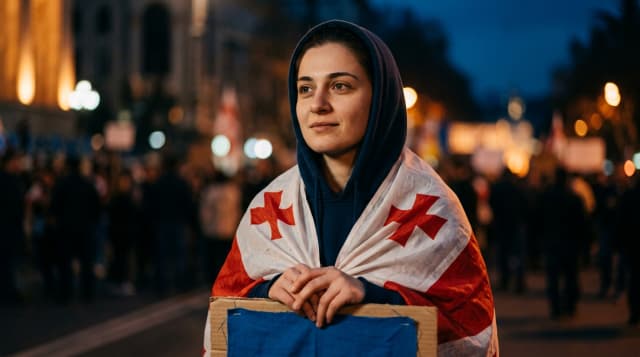
Beyond the screening rooms, the streets and waterways of the Lido became direct sites of activism. Thousands of demonstrators, including local residents, international delegates, and grassroots coalitions, marched along the island's main avenues to call attention to civilian casualties and demand accountability from cultural institutions.
Security protocols around the festival grounds expanded significantly. Italian police deployed helicopters, barricades, and waterborne units to keep large rallies from interfering with red-carpet arrivals. Despite heavy cordons, activists organized peaceful actions, including kite demonstrations along the Lido shoreline, banner drops, and coordinated walk-outs.
In addition to physical protests, international artist groups circulated petitions and open letters. Hundreds of film professionals formally called on festival organizers and cultural leaders to take official stances on international military operations, arguing that artistic platforms should not remain neutral during ongoing humanitarian crises.
Diplomatic Disputes and the Limits of Art
The programming decisions also prompted diplomatic friction between sovereign governments and festival organizers. The inclusion of films dealing with Soviet-era subjects or featuring artists tied to the Russian cultural sphere drew formal protests from Ukrainian officials. Ministries and diplomatic representatives argued that screening works associated with Russian institutions or artists who had not formally denounced the invasion undermined international solidarity efforts and served as soft power for a belligerent state.
Festival leadership defended the selections on the grounds of artistic freedom and historic mission. Administrators maintained that the festival has served throughout its modern history as an open forum for difficult debate and creative autonomy, regardless of prevailing diplomatic pressure. They characterized selected entries as critical examinations of totalitarian structures rather than instruments of state propaganda, refusing to withdraw titles under official protest.
The tension demonstrated the practical challenges that cultural events face when balancing diplomatic sensitivity with an ethos of uninhibited creative expression, particularly as wars reshape European politics.
Institutional Dilemmas and Divergent Views
The convergence of global crises on the Lido ignited ongoing discussion within the film community about the civic duties of cinema. For decades, festivals such as Venice, Cannes, and Berlin maintained reputations as celebratory gatherings centered around aesthetic appreciation, even while screening politically tinged stories. In recent years, that traditional balance has broken down.
Within juries and industry panels, participants offered contrasting visions for international film events. One school of thought contends that art exists to cultivate empathy across borders, requiring artists to engage directly with current emergencies rather than seeking shelter in escapism. Proponents of this view argue that films inherently carry political meaning, and that ignoring pressing global crises amounts to passive endorsement of the status quo.
Conversely, traditionalists and some festival delegates have voiced concern over the risk of turning artistic showcases into partisan arenas. Proponents of this perspective argue that festivals should concentrate primarily on cinema craft, technical accomplishment, and narrative complexity, warning that outside demands for institutional political declarations risk narrowing creative boundaries and overshadowing the diverse voices the festivals exist to champion.
Redefining the Role of Cultural Showcases
As the event concluded, the developments in Venice signaled a permanent transition in how international cultural gatherings operate. The festival highlighted that major media showcases can no longer isolate themselves from the acute geopolitical crises of the era.
With protests, government disputes, and humanitarian appeals dominating discourse throughout the program, Venice demonstrated that modern cinema reflects real-world division as much as aesthetic achievement. For global festivals navigating an increasingly fragmented world, managing these political tensions will remain as central to their future as the films they project onto the screen.