Global Wildfire Threat Escalates as 'Super' El Niño Looms
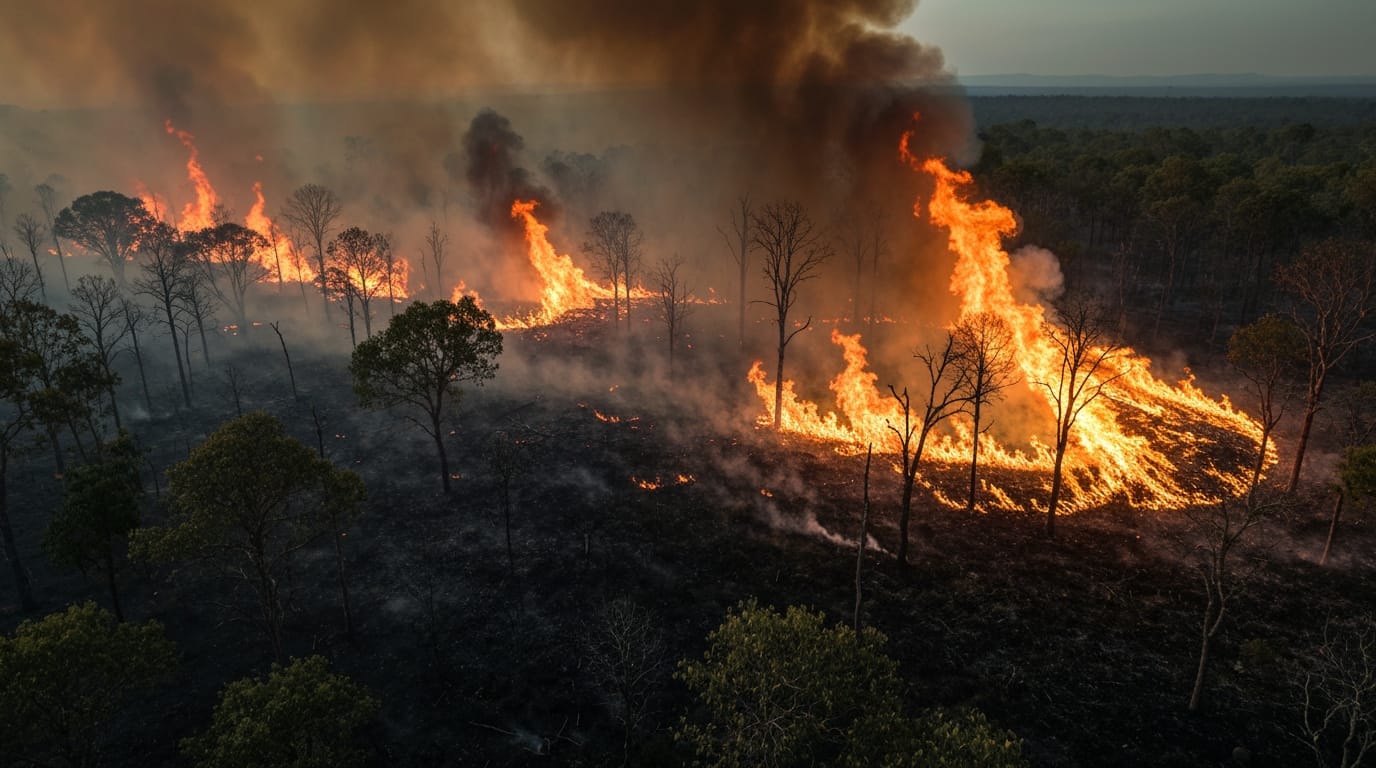
The world faces a potentially unprecedented wildfire season as a powerful El Niño weather pattern emerges, poised to amplify already record-breaking heat and drought conditions across the globe. Scientists warn that the convergence of human-induced climate change and this naturally recurring oceanic phenomenon could lead to a year of extreme fire activity, with devastating consequences for ecosystems, communities, and global infrastructure. The early months of 2026 have already seen an alarming surge in blazes, indicating a severe year ahead as the Northern Hemisphere summer approaches.
The Fiery Nexus: El Niño's Influence on Global Climate
El Niño, characterized by the warming of tropical Pacific Ocean waters, is a cyclical climatic event known to significantly alter global weather patterns. This warming can lead to increased global temperatures, exacerbating conditions like heatwaves, droughts, and floods, all of which contribute to heightened wildfire risks. Forecasters indicate that El Niño is likely to develop between June and August and is showing signs of being exceptionally strong. While the term "super El Niño" is informal, it signifies an event at the upper end of historical intensity, with a one in four chance of such a powerful event emerging this year.
The preceding 2023/2024 El Niño already pushed global temperatures to new highs, with 2024 registering as the hottest year on record and the first to breach the critical 1.5°C warming limit set by the Paris Agreement. This year, ocean temperatures reached a near-record monthly high in April, indicating the present emergence of El Niño conditions. The sea surface temperatures recorded in April were the second-warmest for that month on record, standing at 21 degrees Celsius (69.8 degrees Fahrenheit). This ongoing oceanic warming, coupled with the long-term trend of human-driven climate change, creates a dangerous synergy that scientists fear will fuel unparalleled extreme weather events.
Record-Breaking Blazes and Regional Vulnerabilities
The year has begun with a severity rarely witnessed, marking the world's worst-ever start to a wildfire season. From January to April, fires have consumed more than 150 million hectares (370.66 million acres) of land globally, a figure 20 percent higher than the previous record. This rapid escalation in fire activity precedes the typical peak of the global fire season, signaling a dire outlook.
Regions across Africa and Asia have been particularly hard-hit. Africa has seen approximately 85 million hectares burn so far this year, an increase of 23 percent over its prior record of 69 million hectares. This heightened activity is largely attributed to swift transitions from extremely wet to extremely dry conditions; abundant rainfall in the previous growing season fostered lush vegetation, which then became readily available fuel for drought and heat-induced savannah fires. In Asia, fires have scorched around 44 million hectares, nearly 40 percent more than the record set in 2014. India, Myanmar, Thailand, Laos, and China are among the nations most severely affected by these blazes.
Beyond these regions, early season wildfires have strained firefighting resources in countries such as Argentina, Chile, and Japan, while historic fires have also been reported in the United States and Southeast Asia. As El Niño strengthens, wildfire risks are projected to intensify further later in the year across Australia, Canada, the United States, and the Amazon rainforest, as the phenomenon increases the likelihood of severe heat and drought in these areas.
Compounding Factors and Ecological Strain
The current wildfire crisis is not solely an El Niño phenomenon; it is significantly exacerbated by the broader context of a warming planet. Climate change acts as a force multiplier, intensifying the impacts of El Niño and driving outbreaks of fire to record levels. The combination of soaring temperatures, deepening droughts, and shifts in precipitation patterns creates an environment ripe for ignition and rapid fire spread.
Ecologically, the rapid succession of extreme weather events, including intense rainfall followed by severe drought, creates a dangerous feedback loop. The increased vegetation growth during wet periods provides an expanded fuel load that, once dried out by subsequent heat and drought, becomes highly flammable. This cycle accelerates the destruction of natural habitats, contributing to biodiversity loss and the release of substantial amounts of carbon dioxide into the atmosphere, further fueling climate change.
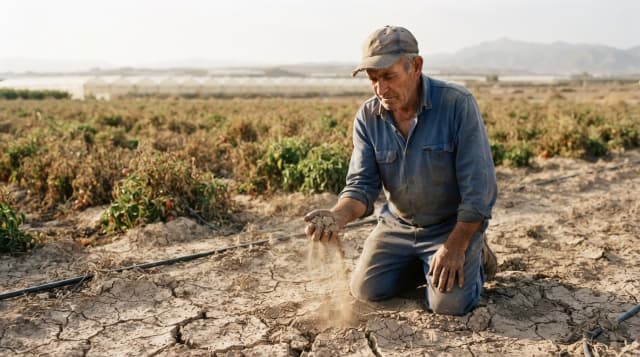
The implications extend beyond the immediate devastation of fires. Heatwaves, which are becoming more frequent and intense, will likely strain agricultural systems and global food supply chains. Additionally, the increased demand for cooling in hotter conditions could exacerbate energy shocks, especially in regions already facing geopolitical instability. The state of global oceans also reflects this extreme warming, with sea ice in the Northern Hemisphere at the lowest recorded levels for this time of year and overall ocean temperatures nearing record highs.
A Call for Vigilance and Preparedness
The scientific community is issuing stark warnings regarding the severity of the impending fire season. Experts at Imperial College London, part of the World Weather Attribution research group, emphasize that the current rapid start, combined with the forecast El Niño, points towards a "particularly severe year" for wildfires. The likelihood of harmful extreme fires could potentially be the highest in recent history if a strong El Niño develops, according to these experts.
While some regions, like Boulder, Colorado, might typically experience cooler, wetter monsoons during El Niño summers, the present reality of record-low snowpack and severe drought means that early monsoon fire danger will remain high due to parched fuels and the potential for dry lightning. This underscores the nuanced and often unpredictable regional impacts of El Niño, demanding localized vigilance and preparedness.
The global community faces a critical period requiring enhanced readiness and robust mitigation strategies. As the El Niño conditions intensify through the Northern Hemisphere summer, the need for coordinated efforts to prevent, detect, and suppress wildfires will be paramount to minimize the extensive human, economic, and environmental costs. The confluence of climate change and a strong El Niño presents a formidable challenge, demanding immediate attention and long-term adaptation.