Gold Soars Past $3,000 Milestone Amid Trade War Fears
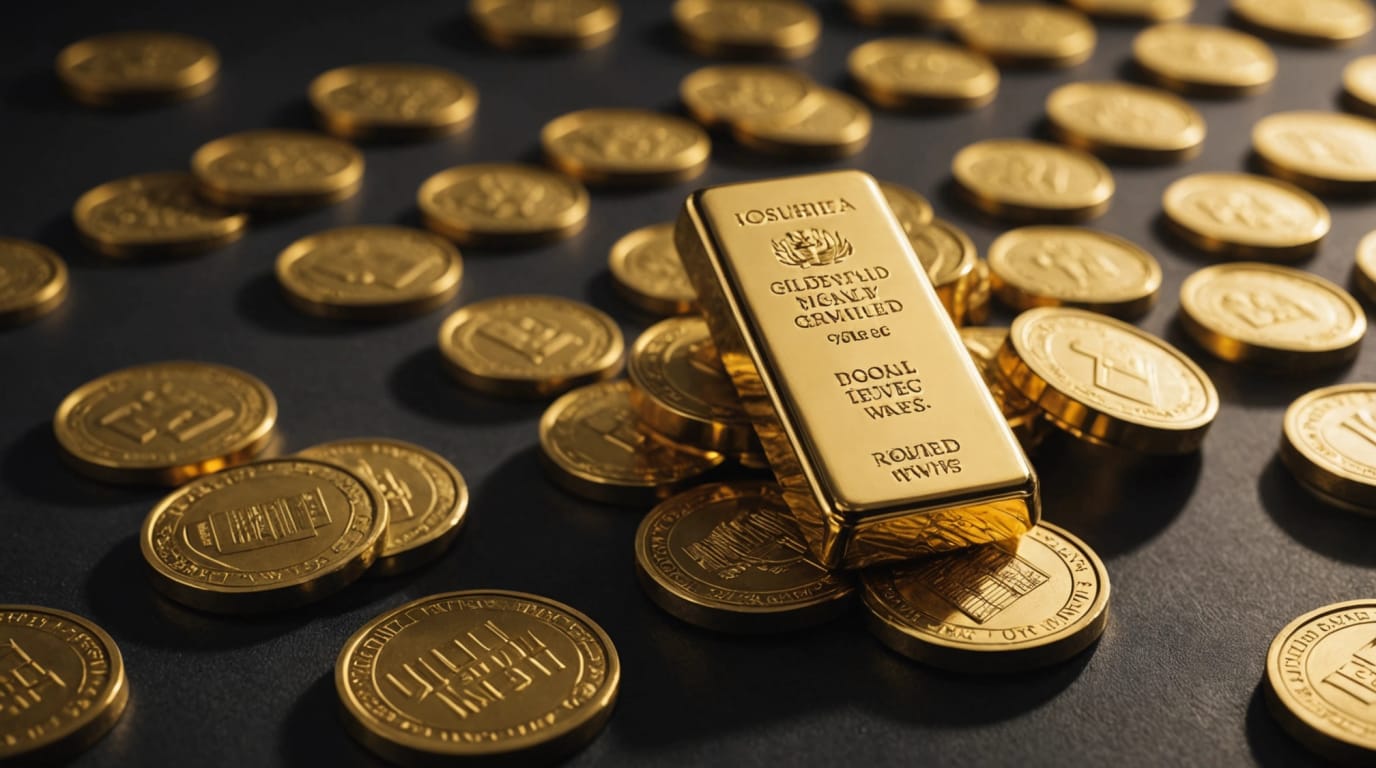
Gold prices have shattered records, surging past $3,000 per ounce for the first time in history. This unprecedented rally is fueled by escalating trade tensions stemming from President Donald Trump's trade policies, coupled with expectations of potential interest rate cuts by the Federal Reserve. Investors are flocking to gold as a safe-haven asset, seeking refuge from the growing uncertainty in the global economy.
Trade Wars and Economic Uncertainty
President Trump's imposition of tariffs on steel, aluminum, and goods from China, Canada, and Mexico has triggered a series of retaliatory measures, sparking fears of a global trade war. The back-and-forth tariffs and threats have created significant volatility in financial markets, leading investors to seek safer investments like gold. The recent threat of 200% tariffs on European alcohol imports, in response to EU tariffs on American whiskey, further exacerbated these concerns.
Tariffs, essentially taxes on imported goods, can lead to increased costs for businesses and consumers, potentially slowing down economic growth and causing inflation. The trade war between the U.S. and China in 2018-2019 serves as a stark example, causing major disruptions in supply chains and unsettling stock markets. During that period, gold prices rose sharply as investors moved away from riskier assets.
Gold as a Safe Haven
Gold has long been considered a safe-haven asset, particularly during times of economic and political turmoil. Unlike currencies, which can be devalued by inflation or excessive printing, gold tends to maintain its value over time due to its scarcity and tangible nature. It is also universally recognized and usable, unlike country-specific currencies.
The World Gold Council emphasizes that gold is a highly liquid asset that carries no credit risk and preserves its value over time. This makes it an attractive option for investors seeking to protect their wealth during periods of uncertainty.
Central Bank Buying and Market Sentiment
Adding to the upward pressure on gold prices is the increasing demand from central banks around the world. Central banks, particularly those in emerging economies like China, Russia, and India, have been steadily increasing their gold reserves to diversify their holdings and hedge against economic instability. This trend is expected to continue, further supporting gold prices.
Market sentiment also plays a crucial role. Mixed signals from U.S. officials regarding the potential for a recession have fueled investor anxiety, driving more capital into safe-haven assets. While some officials downplay recession fears, others acknowledge that a recession might be a necessary consequence of the current administration's trade policies.
Expert Analysis and Future Outlook
Major financial institutions are revising their gold price targets upward in response to the recent surge. Goldman Sachs has raised its price target to $3,100 per ounce for the second quarter of 2025, while UBS has adjusted its year-end forecast to $2,900 per ounce. These revisions reflect growing confidence in gold's continued strength.
Analysts point to a combination of factors supporting gold's long-term prospects, including geopolitical fragmentation, central bank diversification, and potential currency debasement. Some experts predict that gold could reach the $3,200 to $3,300 range by mid-2025, driven by sustained central bank accumulation and resilient investor demand. Some analysts are even more bullish, suggesting that gold could reach $3,500 by the end of 2025.
Implications for Investors
The surge in gold prices has significant implications for investors. Gold can serve as a valuable hedge against inflation and economic instability, protecting portfolios from potential losses in other asset classes. Investors can consider investing in gold through various means, including physical gold (bars and coins), gold ETFs (exchange-traded funds), and gold mining stocks.
However, it's important to note that gold prices can be volatile, and past performance is not indicative of future results. Investors should carefully consider their risk tolerance and investment objectives before allocating capital to gold.
Conclusion
Gold's record-breaking rally reflects the growing uncertainty in the global economy, driven by trade wars and geopolitical tensions. As investors seek safe-haven assets, gold is likely to remain in high demand. While the future trajectory of gold prices is uncertain, the current environment suggests that gold will continue to play a significant role in investment portfolios as a hedge against risk and a store of value. The interplay between trade policies, central bank actions, and market sentiment will continue to shape the gold market in the months and years to come.