Green Gold War: Inside the Bitter Rivalry Between the U.S. and Iran Over the World’s Pistachio Market
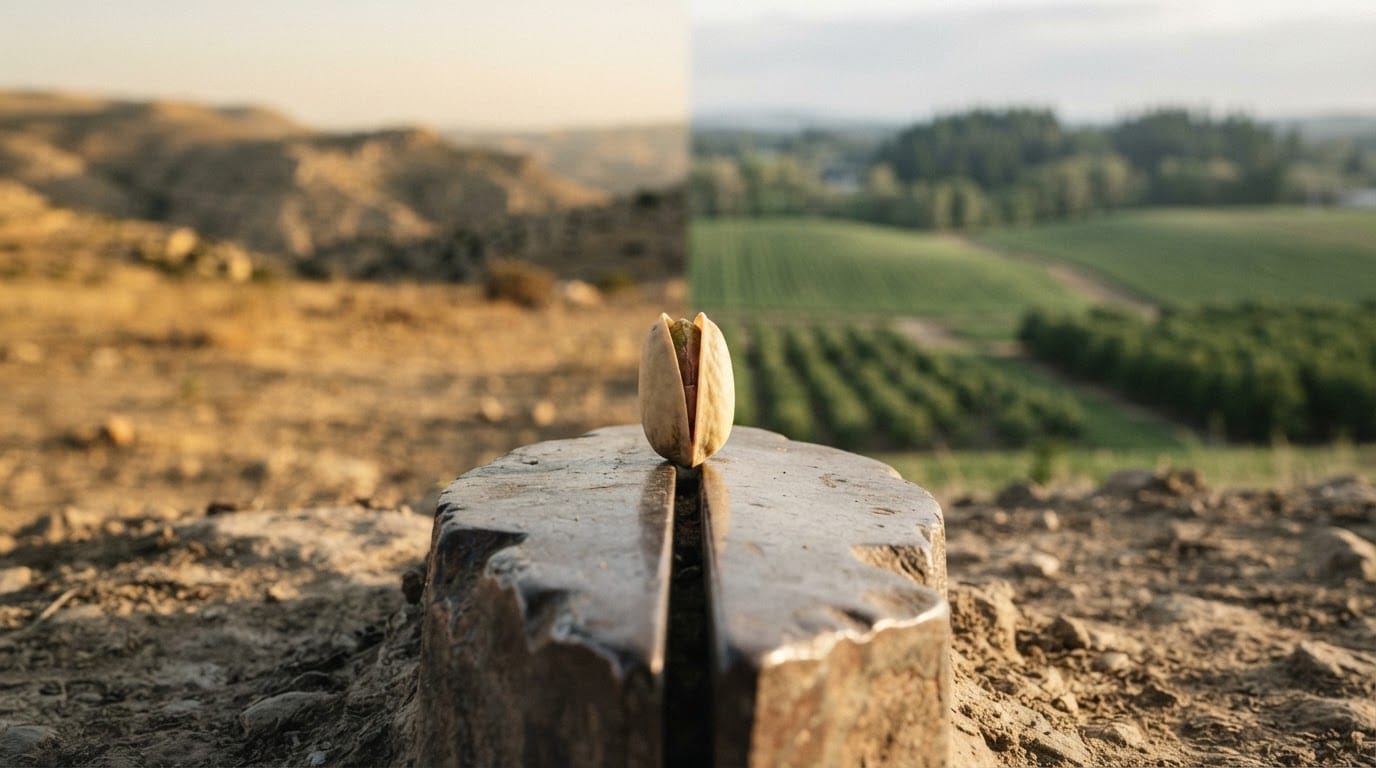
For thousands of years, the pistachio was the pride of the Persian plateau, celebrated as a culinary treasure and an economic lifeline known as “green gold”. Today, this modest, pale-shelled nut sits at the intersection of a decades-long geopolitical confrontation between Tehran and Washington. What began as an agricultural pursuit has transformed into a high-stakes trade rivalry, in which economic penalties, shifting trade routes, and resource scarcity have rewritten the balance of power across global markets.
American growers in California have seized the commanding heights of an industry once monopolized by Iran. While the broader diplomatic relationship between the two nations is defined by nuclear diplomacy, regional military standoffs, and oil sanctions, the battle over pistachios demonstrates how everyday food commodities can become potent instruments of international policy.
Seeds of an Unlikely Empire
The origins of the American pistachio trade trace back to Iran itself. In 1929, botanist William Whitehouse journeyed to the central Iranian plateau on behalf of the U.S. Department of Agriculture to collect wild seed varieties. After planting trials across the American West, one hearty variety from the Rafsanjan region thrived, leading to the cultivar that would later bear the name Kerman.
For decades, the United States remained an avid importer rather than a major producer. Until the late 1970s, Iran supplied roughly 80 percent of the world’s commercial pistachios. Red-dyed Iranian pistachios were a familiar sight in American vending machines and grocery stores.
That dynamic shifted dramatically with the 1979 Iranian Revolution and the subsequent U.S. Embassy hostage crisis. When Washington enacted its first broad trade embargoes against Tehran, access to Iranian supplies evaporated. California farmers, who had spent the preceding decade converting the arid lands of the San Joaquin Valley into irrigated nut groves, suddenly found an open domestic market. What began as an effort to satisfy domestic snack demand laid the foundation for an export powerhouse.
Tariffs, Sanctions, and Commercial Exclusion
The domestic breakthrough in the United States soon evolved into aggressive legal and trade maneuvering. When Iranian exports resumed in the 1980s, California producers mobilized to protect their market share. In 1986, following petitions by domestic growers who accused Iran of predatory pricing, the U.S. government slapped anti-dumping duties exceeding 240 percent on raw Iranian pistachios and more than 300 percent on roasted varieties. The duties effectively priced Iranian nuts out of American store shelves permanently.
Over the ensuing decades, expanding sanctions on Iranian commerce made transactions increasingly hazardous for foreign companies. Even outside the United States, international buyers faced mounting logistical friction when dealing with Iranian suppliers. U.S. financial restrictions cut off Iranian exporters from standard banking channels, commercial trade credit, and maritime insurance.
American producers, by contrast, offered commercial predictability. Importers in Europe, East Asia, and the Middle East increasingly opted for California shipments that came with clear banking rails, steady quality controls, and zero sanctions exposure. Between 2000 and the present day, the balance shifted decisively. The United States now controls roughly 60 to 65 percent of global production, with California generating about 99 percent of the national crop. Iran’s global market share, once towering, has contracted to under 20 percent.
Sinking Orchards and Environmental Crises
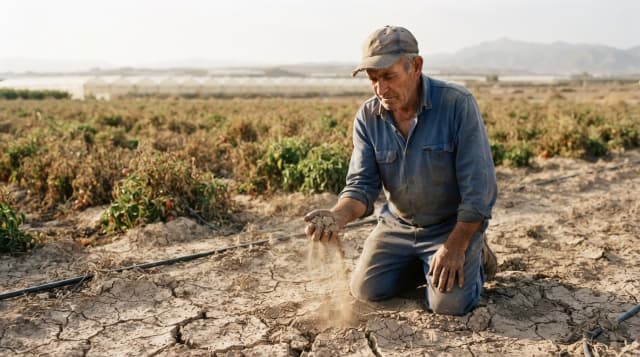
While geopolitical barriers battered Iranian export channels, nature delivered an equally devastating blow to Iranian orchards. The Kerman province, the historic heart of Iranian production around the city of Rafsanjan, has suffered through severe multi-year droughts and chronic over-extraction of underground aquifers.
Decades of heavy groundwater pumping have caused widespread land subsidence. In several sectors of Rafsanjan, the ground is dropping by as much as 14 inches annually, fracturing deep underground irrigation lines, salinizing water wells, and causing whole groves of ancient trees to wither. Because pistachios are Iran’s single most valuable non-oil export, the collapse of rural water tables has devastated farming communities and diminished rural livelihoods.
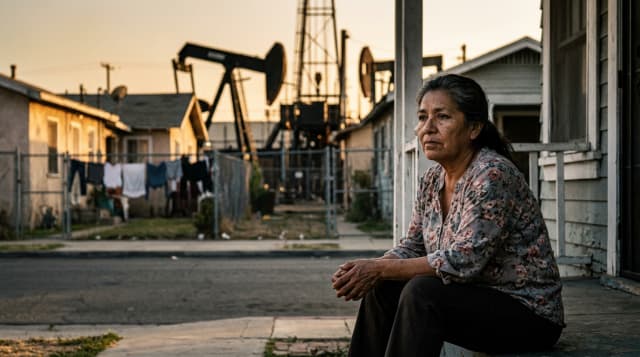
Environmental vulnerability is not confined to Iran. California’s Central Valley faces its own recurring droughts, depleted aquifers, and regulatory limits on irrigation. Both nations are attempting to support an exceptionally water-intensive crop in naturally arid landscapes, creating an ecological ceiling on long-term output. In California, however, access to capital, advanced drip-irrigation systems, and government infrastructure has offered growers a buffer that sanctioned Iranian farmers cannot easily afford.
Viral Demand and Modern Supply Routes
Despite heavy regulatory hurdles, Iranian nuts have remained highly sought-after in fine pastry, confectionery, and ice-cream industries worldwide. Bakers and confectioners prize traditional Iranian cultivars—such as Akbari and Fandoghi—for their high oil content, vibrant color, and rich flavor profile, contrasting them with the uniform appearance of the American Kerman variety.
To bypass trade barriers, Iranian exporters have increasingly relied on indirect trade networks, routing supplies through intermediate hubs in Turkey, the United Arab Emirates, and Central Asia. These regional intermediaries re-package, blend, and distribute nuts into growing consumer markets across Asia and Europe.
At the same time, global consumer appetite has expanded rapidly. A surge in culinary trends—from specialty pistachio coffees to viral social media sensations like Dubai chocolate bars filled with pistachio paste—has spiked wholesale prices and strained processing capacity. As demand outpaces supply, any disruption in shipments from either country sends quick ripples through food processing plants and retail shelves worldwide.
A Green Indicator of Modern Statecraft
The contest between the United States and Iran over the pistachio market illustrates how contemporary geopolitics reshapes global agriculture. What began as an ancient domestic craft on the Iranian plateau has been completely restructured by trade policy, anti-dumping tariffs, currency restrictions, and environmental degradation.
California’s rise to dominance reflects the formidable advantages of reliable financial markets, modern transport infrastructure, and strong lobbying influence. Yet Iran’s persistence in third-party markets underscores the enduring power of historical taste, culinary tradition, and parallel supply lines. In a world where food security and trade policy are bound together, the humble pistachio remains a small but telling barometer of the enduring friction between two nations.