Gulf Nations Pivot to Pipelines Amidst Rising Hormuz Tensions
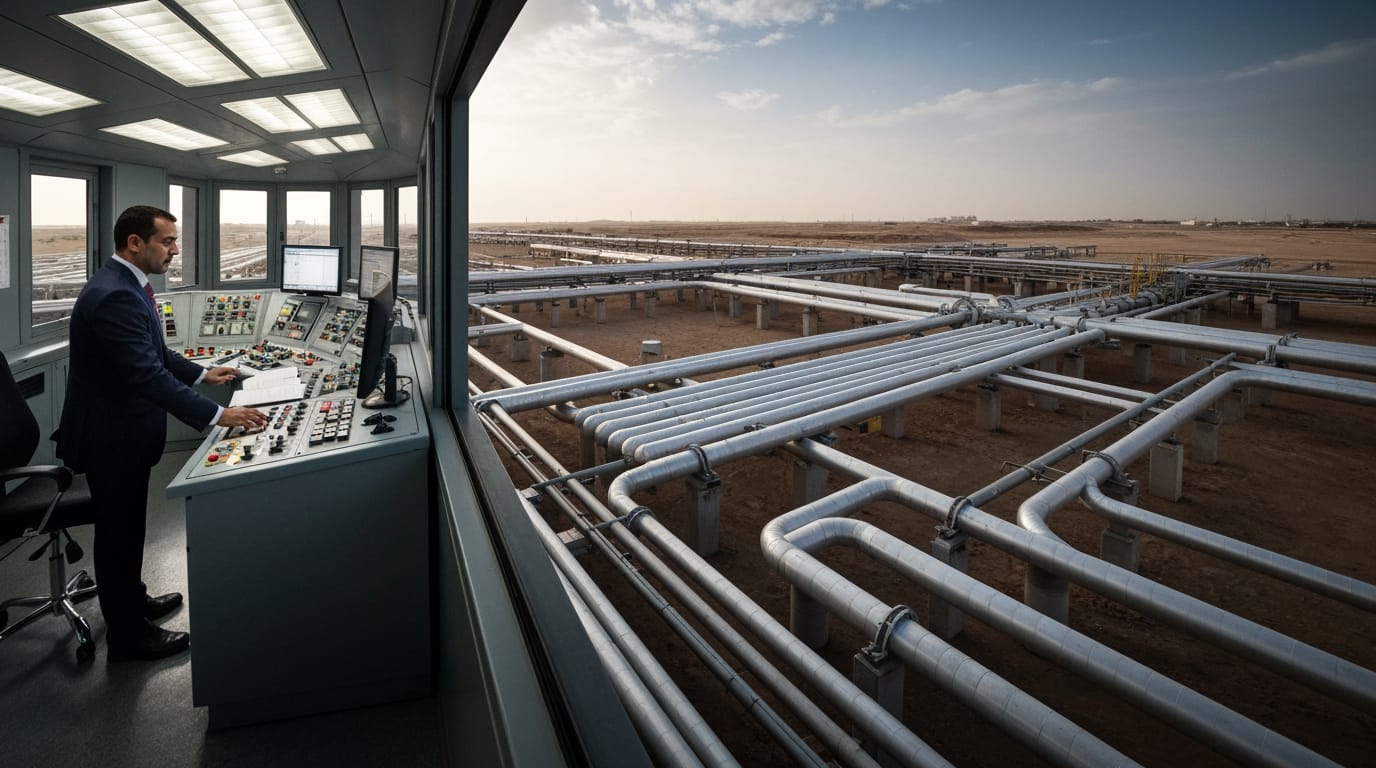
Dubai, UAE – Facing persistent geopolitical volatility around the Strait of Hormuz, Gulf oil producers are rapidly accelerating plans to reroute a significant portion of their crude exports through an expanded network of pipelines, aiming to circumvent the chokepoint considered critical for global energy flows. This strategic shift, driven by a desire to insulate vital oil supplies from potential disruptions, marks a transformative period for the region's energy infrastructure.
The Strait of Hormuz, a narrow waterway connecting the Persian Gulf to the open ocean, has long been a flashpoint for regional tensions, handling approximately one-fifth of global crude oil and liquefied natural gas (LNG) trade. Recent conflicts and heightened geopolitical risks have underscored the vulnerability of this maritime artery, prompting a concerted effort by nations like Saudi Arabia, the United Arab Emirates, and Iraq to develop alternative export routes. This proactive approach seeks to mitigate the impact of any future closures or attacks that could send shockwaves through international energy markets.
Ambitious Bypass Projects Take Shape
A recent analysis by Goldman Sachs highlights the scale of this ambitious undertaking, tracking at least seven pipeline and export infrastructure projects across the Gulf that are either underway, planned, or deemed feasible. These initiatives are designed to substantially reduce the reliance on the Strait of Hormuz for crude oil exports. Goldman Sachs analysts, led by Alexandra Paulus, project that more than 45% of pre-war Gulf oil exports could be shielded from Hormuz-related disruptions by the close of 2027. This figure is anticipated to climb to over 60% by the end of 2028, with the total effective bypass capacity potentially exceeding 14 million barrels per day.
Among the most notable projects is the United Arab Emirates' plan to double the capacity of its Fujairah pipeline network, expanding it from 1.8 million to 3.6 million barrels per day. This expansion would significantly bolster the UAE's ability to export crude directly to the Gulf of Oman, bypassing the Strait entirely. Saudi Arabia is also considering a 2 million barrels per day expansion of its East-West pipeline, which transports oil to the Red Sea, an existing alternative route that proved crucial during previous periods of heightened tension. Meanwhile, Iraq is making strides to rebuild and expand its Kirkuk-Ceyhan pipeline, which could offer an export route through Syria to the Mediterranean Sea, a project reportedly supported by the U.S. and potentially involving Chevron. These developments signify a concerted push to diversify export pathways and enhance energy security.
Historical Context and Geopolitical Imperatives
The vulnerability of the Strait of Hormuz is not a new concern. Its strategic importance has been recognized for decades, leading Saudi Arabia to construct its East-West pipeline in the 1980s as an early effort to mitigate risks. This historical precedent underscores the long-term strategic thinking behind the current wave of pipeline development. The recent disruptions, particularly those linked to the ongoing conflict between the United States and Iran, have served as a potent catalyst, accelerating investment in these alternative corridors. The closure of the Strait of Hormuz during past crises exposed the fragility of global energy supply chains, prompting Gulf producers to shift their focus from managing immediate crises to building resilient infrastructure that can withstand future geopolitical shocks.
However, the transition away from reliance on the Strait is not without its challenges. Countries such as Kuwait and Qatar remain heavily dependent on Hormuz for their exports, highlighting the uneven distribution of alternative options across the region. The sheer volume of oil and gas transiting the Strait daily means that even with significant bypass capacity, any major disruption would still have substantial global implications in the near term.
Persistent Vulnerabilities and Market Realities
Despite the significant investments in pipeline infrastructure, analysts caution that these alternative routes do not entirely eliminate the risks to Middle East crude exports. While pipelines offer a bypass to the maritime chokepoint, they remain susceptible to terrestrial attacks. Experts, such as Rapidan Energy founder Bob McNally, point out that the threat shifts from the waterway itself to land-based infrastructure, including loading facilities, pumping stations, terminals, and storage units, all of which could be targets for asymmetric attacks. Recent strikes on oil infrastructure in the region underscore these vulnerabilities, reminding stakeholders that geopolitical risks persist.
Furthermore, the expansion of bypass capacity is unlikely to immediately unwind the geopolitical premium currently embedded in Brent and WTI crude oil prices. With roughly 23 million barrels per day of pre-war Gulf exports still reliant on the Strait, the immediate price impact of any disruption remains significant. The market is expected to maintain a risk premium through the current year and into the next, even as new pipeline capacity comes online.
A Redrawing of the Energy Map
The concerted effort by Gulf nations to invest in and expand their pipeline networks represents a fundamental shift in the global energy landscape. It is a long-term strategy to enhance resilience and reduce exposure to geopolitical instabilities in a vital region. While challenges and vulnerabilities persist, the rapid development of these alternative routes is poised to redefine how Gulf oil reaches international markets, gradually lessening the singular dependence on the Strait of Hormuz. The ongoing buildout of this infrastructure reflects a strategic imperative to secure future energy exports and stabilize global supply, even as the geopolitical climate remains unpredictable.